
 Asian Stock Markets Rally as Japan Hits Record Highs, Nvidia Earnings Fuel Chipmaker Surge
Asian stock markets posted broad gains on Thursday, led by record-breaking performances in Japan and South Korea. Optimism over easing interest rate expectations in Japan, combined with robust earnings from U.S. chip giant NVIDIA Corporation, provided fresh momentum to regional equities—particularly technology and semiconductor shares.
While investor sentiment was upbeat in Tokyo and Seoul, the broader Asian landscape remained mixed, with Chinese and Hong Kong markets showing signs of consolidation after recent rallies.
Japanese equities extended their rally, with both the Nikkei 225 and TOPIX surging to record levels during Thursday’s session.
The gains followed Tokyo’s nomination of two dovish academic figures to the policy board of the Bank of Japan (BOJ). The appointments fueled speculation that the central bank may refrain from further aggressive interest rate hikes in the near term.
The prospect of a more accommodative monetary stance pressured the Japanese yen, offering a tailwind to export-oriented stocks. A weaker currency typically boosts overseas earnings for Japanese manufacturers when repatriated.
However, the rally lost some steam intraday as technology shares, particularly chip-related names, retreated from earlier highs. Japanese semiconductor stocks had climbed in anticipation of Nvidia’s earnings and faced profit-taking after the results were released.
All eyes are now on Tokyo’s upcoming consumer inflation data, due Friday. Softer inflation readings could further dampen expectations of additional tightening by the BOJ.
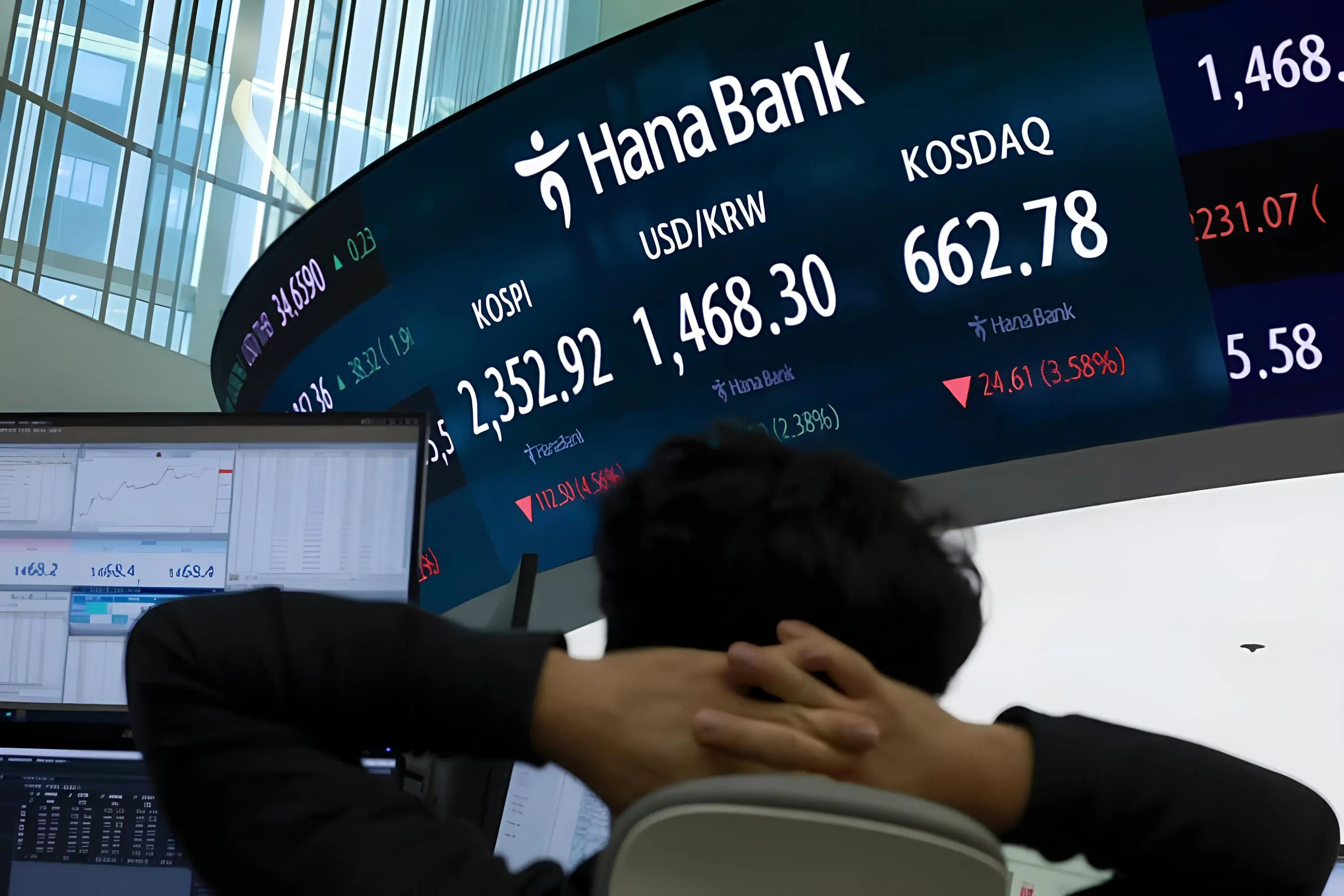
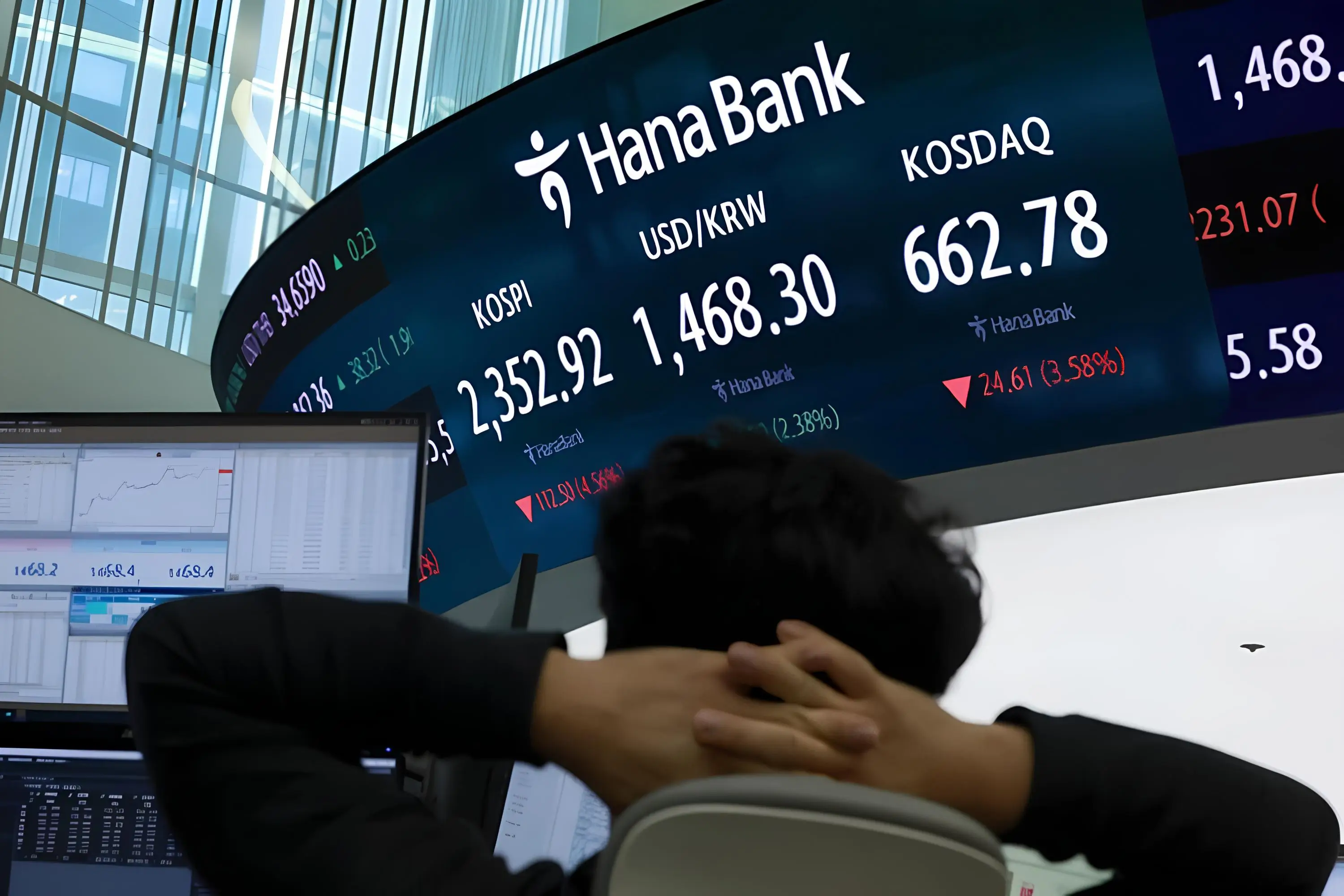
South Korea’s KOSPI emerged as Asia’s top performer on Thursday, soaring more than 2% to a record 6,222.14 points.
The rally was largely driven by heavyweight semiconductor stocks, buoyed by Nvidia’s earnings report, which surpassed consensus expectations in both profit and forward guidance.
Shares of Samsung Electronics and SK Hynix climbed to all-time highs. Both companies are key memory chip suppliers to Nvidia and stand to benefit from sustained demand for advanced chips powered by artificial intelligence (AI).
Nvidia’s results reinforced the narrative that AI-driven semiconductor demand remains resilient, dispelling fears of a near-term slowdown.
Samsung also unveiled its latest premium smartphone series, the S26, on Wednesday, signaling continued innovation in its consumer electronics division. Meanwhile, SK Hynix announced plans to invest 21.6 trillion won (approximately $15.07 billion) in building a new production facility in South Korea—an expansion that underscores confidence in long-term chip demand.
Adding to the positive momentum, the Bank of Korea held interest rates steady as widely expected and upgraded its economic growth outlook, citing increasing optimism around the country’s semiconductor sector.
Despite Nvidia’s better-than-expected earnings and forward guidance, its stock reversed initial gains and traded slightly lower in after-hours trading.
While revenue growth and AI-related demand impressed investors, lingering concerns remain regarding inventory levels and sales exposure to China. These uncertainties tempered enthusiasm in U.S. futures markets, with S&P 500 Futures dipping 0.1% during Asian hours.
Nevertheless, Nvidia’s results were sufficient to spark a renewed rally among Asian semiconductor names, reflecting the company’s central role in the global AI supply chain.
Outside Japan and South Korea, Asian markets presented a more varied picture.
Australia’s ASX 200 climbed 0.5%, reaching another record high. Gains were driven by continued strength in mining and banking stocks, sectors that have benefited from stable commodity prices and resilient domestic financial conditions.
Mainland Chinese indices, including the CSI 300 and Shanghai Composite, edged slightly lower, pausing after two days of solid gains.
Earlier in the week, optimism surrounding stronger consumer spending during the Lunar New Year holiday fueled a sharp rebound. Thursday’s modest pullback suggests investors are consolidating gains while assessing the sustainability of the recovery.
Hong Kong’s Hang Seng Index fell 0.5%, weighed down by weakness in local technology shares.
Internet giant Baidu Inc. declined 2.6% ahead of its fourth-quarter earnings release. Investors remain focused on whether the company’s heavy investment in AI initiatives is translating into tangible financial returns.
Elsewhere in the region:
Singapore’s Straits Times Index slipped 0.2%.
Thailand’s SET Index jumped 0.8% following a surprise 25-basis-point rate cut by the Bank of Thailand on Wednesday.
India’s Nifty 50 rose 0.3% in morning trading, reflecting steady domestic investor participation.
The divergence highlights the increasingly localized drivers shaping Asian equity performance, ranging from monetary policy decisions to sector-specific catalysts.
Thursday’s session underscores two dominant forces guiding Asian equity markets:
AI-driven semiconductor momentum — Nvidia’s strong performance continues to reinforce confidence in the long-term growth trajectory of the chip sector, particularly in South Korea and Japan.
Monetary policy recalibration — Expectations of a more cautious approach from the Bank of Japan and stable policy in South Korea are providing additional support to equities.
However, global investors remain mindful of external risks, including U.S. monetary policy, geopolitical tensions, and potential volatility in U.S. technology stocks.
Asian stock markets advanced on Thursday, propelled by record highs in Japan and South Korea as easing rate hike expectations and strong Nvidia earnings fueled optimism.
While chipmakers led the rally, broader regional markets displayed a more cautious tone, reflecting sector-specific drivers and lingering macroeconomic uncertainties. As inflation data from Tokyo and further corporate earnings roll in, investors will be watching closely to determine whether this rally can extend—or if profit-taking and policy shifts may introduce fresh volatility.
For now, the AI narrative and accommodative policy signals remain powerful catalysts across Asia’s equity landscape.

.jpg)

.png)
 Tiếng Việt
 English