.png)
 Tiếng Việt
 English


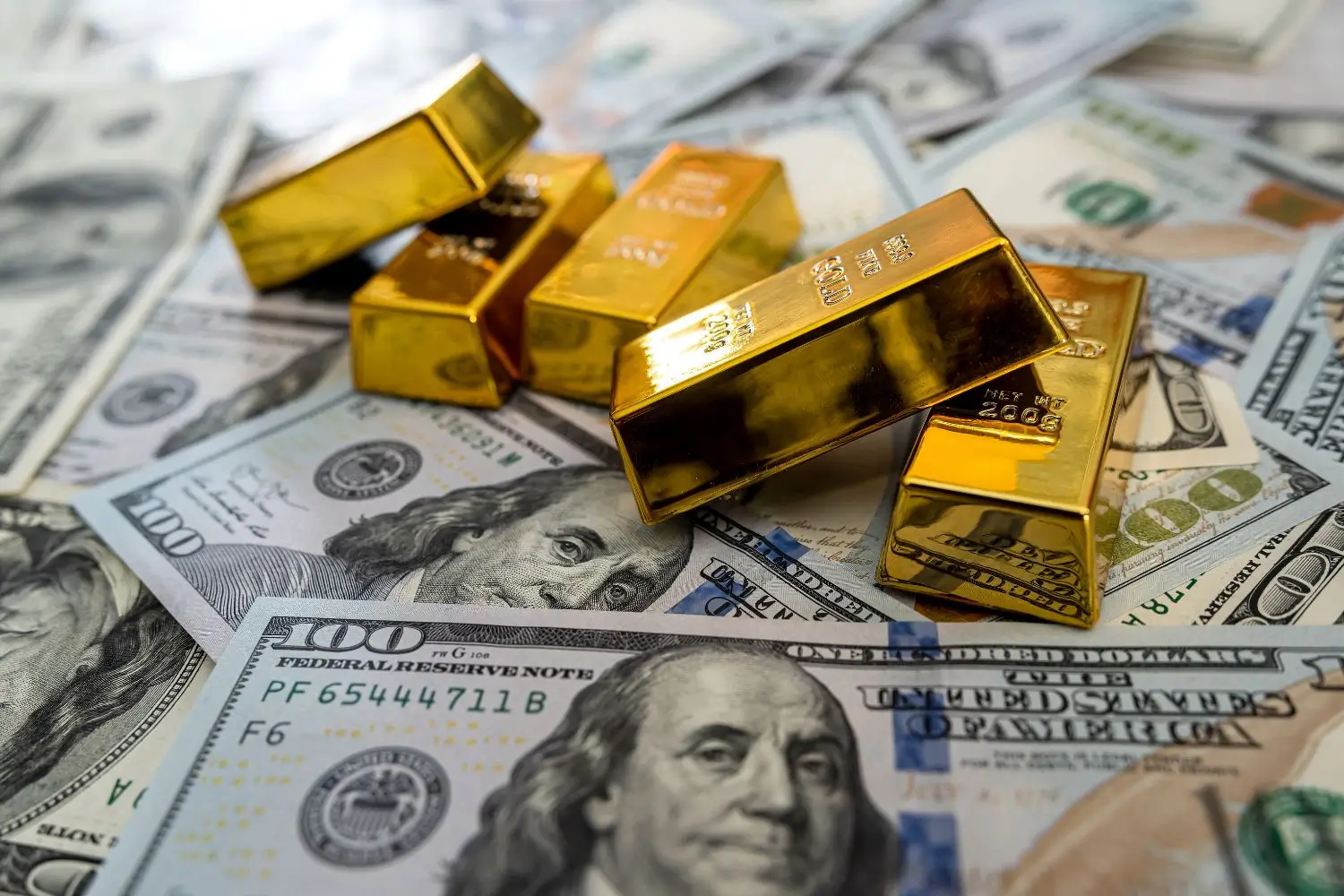
 The People’s Bank of China (PBOC) continued increasing its gold reserves in February 2026, marking the 16th consecutive month of net gold purchases. The move comes as global gold prices remain near record highs, highlighting Beijing’s ongoing strategy to diversify its reserve assets and reduce reliance on the US dollar.
According to data released by the State Administration of Foreign Exchange (SAFE), the PBOC added approximately 30,000 ounces of gold to its national reserves in February 2026. Following the purchase, China’s total gold holdings reached around 74.2 million ounces, valued at roughly $387.6 billion at current market prices.
The continued accumulation of gold reflects China’s long-term approach to strengthening its financial resilience while mitigating risks stemming from geopolitical tensions and global monetary uncertainty.
Since November 2024, the People’s Bank of China has increased its gold reserves by approximately 1.4 million ounces. The steady accumulation over more than a year indicates a consistent and strategic approach to expanding the country’s holdings of precious metals.
At a time when major economies face inflation pressures, geopolitical risks, and currency volatility, gold continues to be viewed as a reliable safe-haven asset. As a result, increasing the share of gold in national reserves has become an important strategy for many central banks worldwide.
China is not alone in this trend. Central bank demand has emerged as one of the key drivers supporting global gold prices in recent years.
Alongside the increase in gold reserves, China’s foreign exchange reserves have also continued to expand.
SAFE reported that by the end of February 2026, China’s total foreign exchange reserves had reached approximately $3.4 trillion. This represents an increase of $8.7 billion compared with the end of January, marking the seventh consecutive month of growth.
According to SAFE, the rise was mainly driven by exchange rate fluctuations and the appreciation of reserve assets, particularly as the US dollar index strengthened in international markets.
With the world’s largest foreign exchange reserves, China continues to maintain one of the strongest financial buffers among major economies.
China’s gold purchasing activity has recently attracted considerable attention from global markets, particularly in relation to its gold trade with Russia.
According to Chinese customs data cited by Kitco News, Beijing purchased gold worth approximately $961 million from Russia in November 2025. This transaction is believed to be the largest bilateral gold trade ever recorded between the two countries.
Notably, it was the second consecutive month that Russian gold exports to China exceeded $900 million. Earlier, in October 2025, Russia exported an estimated $930 million worth of gold to China.
The surge in gold trade between the two nations occurred primarily in late 2025, with October and November accounting for the majority of precious metal transactions between the countries for the entire year.
Between January and November 2025, China imported approximately $1.9 billion worth of gold from Russia—nearly nine times higher than the same period in 2024, when total imports were only about $223 million.
The expansion of gold reserves is widely viewed as part of China’s long-term strategy to diversify its reserve assets and gradually reduce dependence on the US dollar.
For years, Beijing has been seeking to lower the share of dollar-denominated assets in its reserve portfolio while increasing holdings of gold and other currencies.
This strategy aims to enhance China’s financial autonomy, particularly amid rising geopolitical tensions and intensifying global economic competition.
Furthermore, increasing gold reserves strengthens confidence in China’s financial system and enhances its ability to withstand unexpected shocks in global currency markets.
Some international financial institutions believe China’s actual gold purchases could be significantly larger than the officially reported figures.
In October 2025, French bank Société Générale estimated that the true amount of gold accumulated by Beijing could be several times higher than official data suggests.
Based on discrepancies between gold bullion imports, domestic gold production, and official reserve data, the bank suggested that China may have purchased as much as 250 tonnes of gold during the analyzed period—far exceeding the roughly 25 tonnes reported.
If these estimates prove accurate, it would indicate that China’s gold accumulation strategy is unfolding on a much larger scale than publicly disclosed.
Amid persistent global economic uncertainty, the trend of central banks increasing gold reserves is expected to continue.
Many analysts believe gold will remain a critical component of the international financial system, particularly as countries seek to protect their reserves from currency volatility and geopolitical risks.
For China, the continued expansion of gold reserves not only reflects a strategy for managing national assets but also underscores its ambition to build a more resilient financial system that is less dependent on traditional reserve currencies.