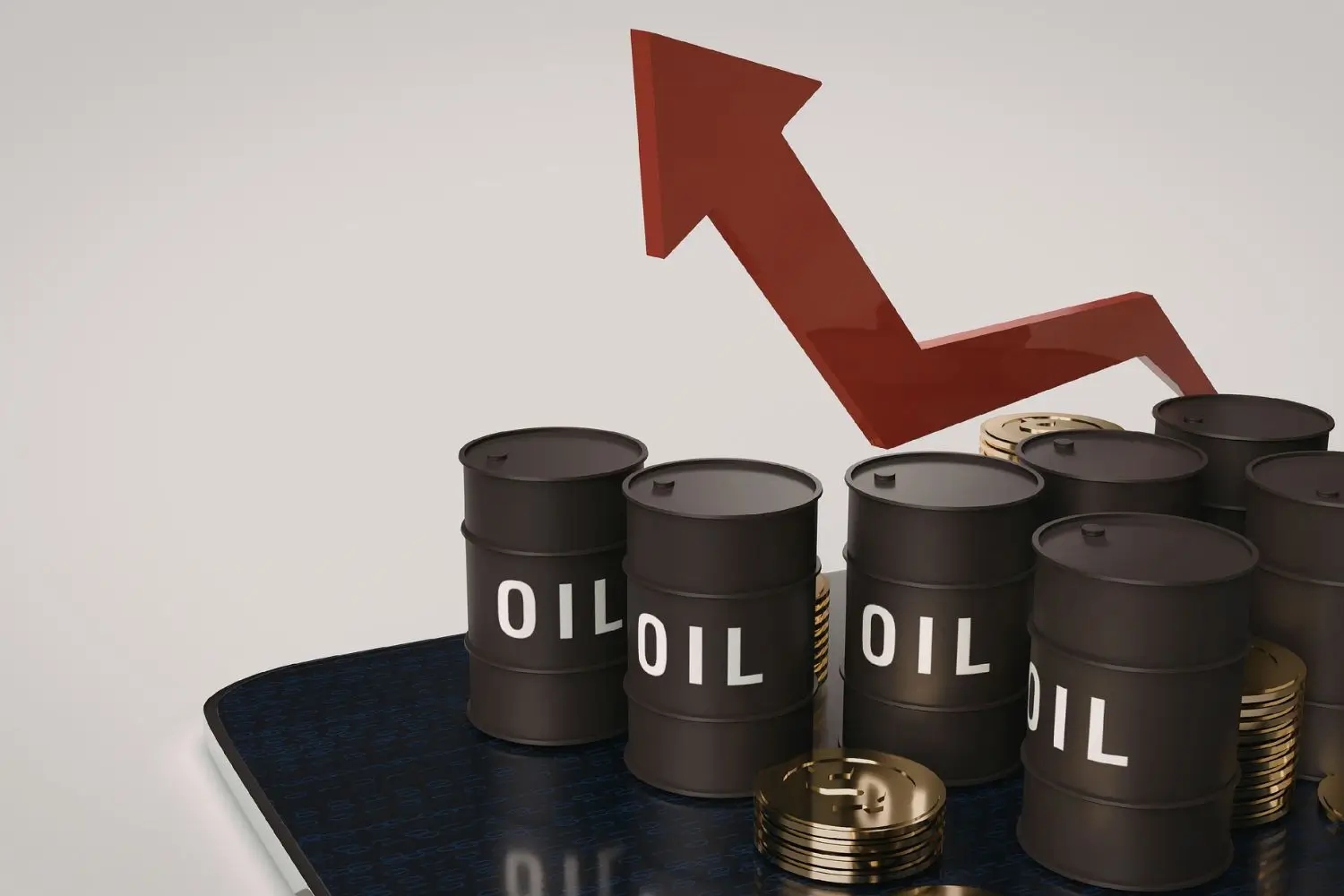
In October 2025, crude oil prices experienced notable volatility as OPEC+ production decisions, rising U.S. inventories, evolving geopolitics in the Middle East, and a slowdown in global demand all converged. Brent hovered around USD 65/barrel, while WTI faced downward pressure. Why did the oil market swing so significantly this month? Which factors held the strongest sway—and what lies ahead? This article delves into the key influences behind crude oil price fluctuations in October 2025, offering insight for traders, analysts, and energy stakeholders alike.
Early in October, crude prices slid to a 16-week low, driven by concerns over supply gluts and weakening demand.
On October 5, OPEC+ announced a modest output increase of 137,000 barrels per day, tempering fears of oversupply and lifting market sentiment.
Meanwhile, the U.S. Energy Information Administration (EIA) reported a surprising build of 3.7 million barrels in crude stockpiles for the week ending October 3, far above expectations.
Tensions eased somewhat in the Middle East when Israel and Hamas reached a ceasefire accord, reducing the geopolitical “risk premium” previously built into oil prices.
Additional pressure came from Saudi Arabia cutting its October official selling price (OSP) to Asia, a move aimed at maintaining competitiveness in a soft demand environment.
Overall, oil traded in a tight range, with modest upward moves offset by persistent headwinds.
OPEC+ decisions have been central. By opting for a cautious increase rather than a large jump, the alliance aimed to balance market stability with supply discipline.
The U.S. crude inventory build surprised many and amplified concerns of oversupply.
Global demand weakness, especially in China and Europe, compounded pressure on prices in October.
Oil markets tend to price in a “geopolitical premium” in times of tension. The ceasefire between Israel and Hamas temporarily reduced that premium.
However, risks remain. The Strait of Hormuz, a chokepoint carrying ~20% of global oil flows, has been threatened in 2025—such disruptions could sharply reverse sentiment.
Saudi Arabia’s decision to cut its official selling prices for Asia reflects weakening regional demand and heightened competition from Russia and U.S. producers.
A strong U.S. dollar makes dollar-denominated oil more expensive for non-U.S. buyers, damping demand.
Risk-off sentiment in global markets has intensified capital outflows from commodity investments, including crude.
Lower oil prices provide breathing room for importers, potentially easing inflationary pressures.
Energy firms and explorers may delay capital-intensive projects until price stability returns.
The stock market—especially energy sector equities—remains sensitive to oil’s swings.
Base case: Brent trades between USD 62–70/barrel, with sideways volatility.
Bull case: Escalation in Middle East tensions or supply curtailments could drive prices above USD 70.
Bear case: Weak demand and growing inventories might push prices below USD 60.
The EIA now forecasts that global oversupply may build through 2026, potentially dragging Brent down to ~USD 52/barrel next year.
October 2025 underscored how balanced yet fragile the global oil market is. Crude oil price fluctuations stemmed from a delicate interplay of OPEC+ supply tactics, U.S. inventory surprises, regional geopolitical developments, and structural demand weakness. For coalitions of oil importers and producers alike, navigating this landscape demands agility and foresight.
While short-term volatility may persist, the real test ahead will lie in how the world adapts its energy systems, and whether traditional oil markets can maintain relevance amid a global push toward sustainability.
1. Why did OPEC+ choose a modest output hike instead of a larger one?
To avoid flooding the market, they opted for a measured increase aimed at sustaining balance.
2. How significant is the U.S. inventory build in influencing prices?
Very. When stockpiles rise above expectations, it signals oversupply and often pressures prices downward.
3. Could renewed Middle East conflict send prices sharply higher?
Absolutely. Disruptions to shipping lanes or production could rapidly reinstate a risk premium.
4. What’s the long-term risk from energy transitioning?
As the world shifts toward clean energy, oil may gradually lose its dominance, making the market more volatile and speculative.

.jpg)

.png)
 Tiếng Việt
 English