.png)
 Tiếng Việt
 English


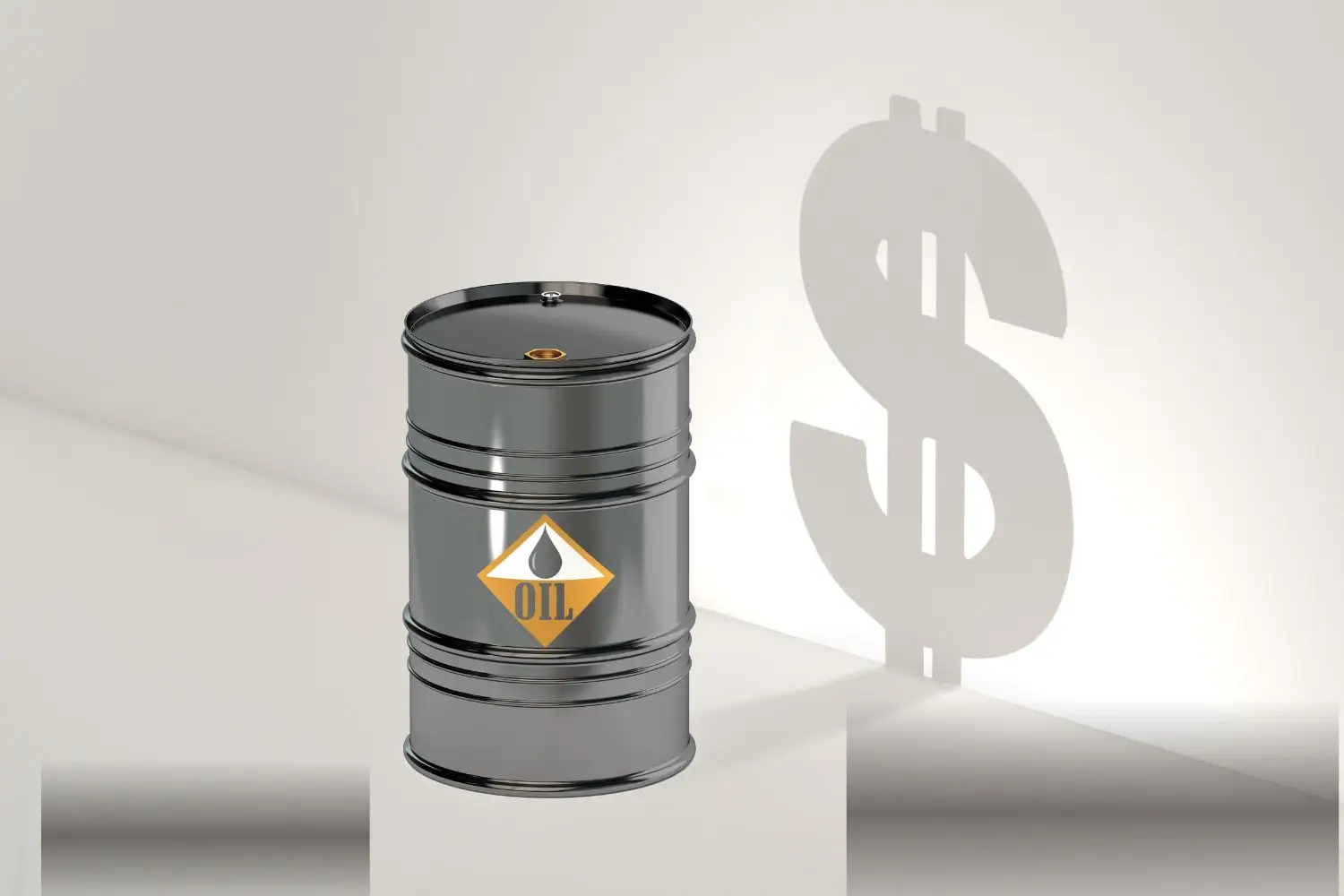 The global economy is once again facing a familiar but deeply concerning threat: a sharp and sudden energy shock. As geopolitical tensions escalate in the Middle East, oil and gas markets have reacted swiftly, sending prices soaring and reigniting fears of inflation and economic slowdown.
What makes this episode particularly alarming is not just the speed of the price surge, but the broader implications it carries for global growth, monetary policy, and financial stability.
At the center of the crisis is the dramatic surge in crude oil prices. Brent crude, the global benchmark, briefly climbed to nearly $119 per barrel, marking one of the most significant price jumps in recent years.
This surge reflects immediate concerns over supply disruptions in one of the world’s most critical energy-producing regions. The Middle East accounts for a substantial share of global oil exports, and even minor disruptions can trigger outsized reactions in the market.
The situation has been exacerbated by:
Heightened military tensions affecting key oil infrastructure
Concerns over shipping routes, particularly strategic chokepoints
Speculative trading amplifying price volatility
For energy-importing economies, this rapid increase translates directly into higher costs across industries and households.
While oil has captured most of the headlines, the natural gas market is experiencing an equally dramatic upheaval.
In Europe, gas prices have nearly doubled within a short period, reflecting fears of supply interruptions and increased competition for liquefied natural gas (LNG).
Several critical factors are driving this surge:
Disruptions to LNG routes due to regional instability
Attacks on key gas infrastructure
Heightened demand as countries scramble to secure reserves
Europe remains particularly vulnerable due to its reliance on energy imports and its ongoing transition away from traditional suppliers. The latest price spike threatens to reverse progress made in stabilizing energy costs after previous crises.
Beyond price movements, the physical risks to energy supply chains are becoming increasingly evident.
Reports indicate that:
Certain LNG routes have been disrupted
Energy facilities in conflict zones have come under attack
Shipping risks in strategic waterways have intensified
These developments are fueling concerns that the current situation could escalate into a broader supply crisis.
Some analysts have gone as far as describing the scenario as a potential “doomsday case” for global energy markets, highlighting the severity of the risks involved.
One of the most immediate consequences of rising energy prices is the renewed pressure on inflation.
Energy costs feed directly into:
Transportation expenses
Manufacturing input costs
Household energy bills
As a result, the recent surge threatens to reverse the progress central banks have made in bringing inflation under control.
Higher inflation could force policymakers to:
Delay interest rate cuts
Maintain tighter monetary conditions
Reassess economic forecasts
This creates a challenging environment for both governments and investors.
If elevated energy prices persist, the risk of a global economic slowdown becomes increasingly real.
Historically, energy shocks have often preceded recessions, as higher costs reduce consumer spending and corporate profitability.
Key risks include:
Households facing higher fuel and utility bills are likely to cut back on discretionary spending.
Businesses, particularly in energy-intensive sectors, may struggle to absorb rising costs.
Higher transportation costs could dampen international trade activity.
Taken together, these factors could significantly weaken global economic momentum.
The turbulence in energy markets is already spilling over into broader financial markets.
Investors are increasingly adopting a risk-off approach, characterized by:
Selling of equities
Increased demand for safe-haven assets
Heightened volatility in commodities and currencies
Energy stocks may benefit in the short term, but the broader market sentiment remains cautious.
Cryptocurrencies and other risk-sensitive assets have also shown signs of weakness, reflecting the interconnected nature of modern financial markets.
The current situation underscores just how fragile the global economic recovery remains.
After years of navigating:
Pandemic-related disruptions
Supply chain challenges
Monetary tightening cycles
The global economy now faces yet another external shock.
What makes this crisis particularly complex is its geopolitical dimension, which limits the ability of policymakers to respond quickly or effectively.
Looking ahead, much will depend on how the geopolitical situation evolves.
Several scenarios are possible:
De-escalation: Prices stabilize as supply concerns ease
Prolonged tension: Continued volatility and elevated prices
Escalation: Severe supply disruptions and further price spikes
Markets are likely to remain highly sensitive to any developments, with even small headlines triggering significant price movements.
The latest surge in oil and gas prices is more than just a short-term market reaction—it is a stark reminder of the deep interconnection between geopolitics and the global economy.
With Brent crude nearing $119 per barrel and gas prices in Europe soaring, the risks of inflation and recession are once again at the forefront of economic concerns.
As the situation unfolds, businesses, investors, and policymakers alike will need to navigate an increasingly uncertain landscape, where energy security has once again become a defining issue of our time.