.png)
 Tiếng Việt
 English


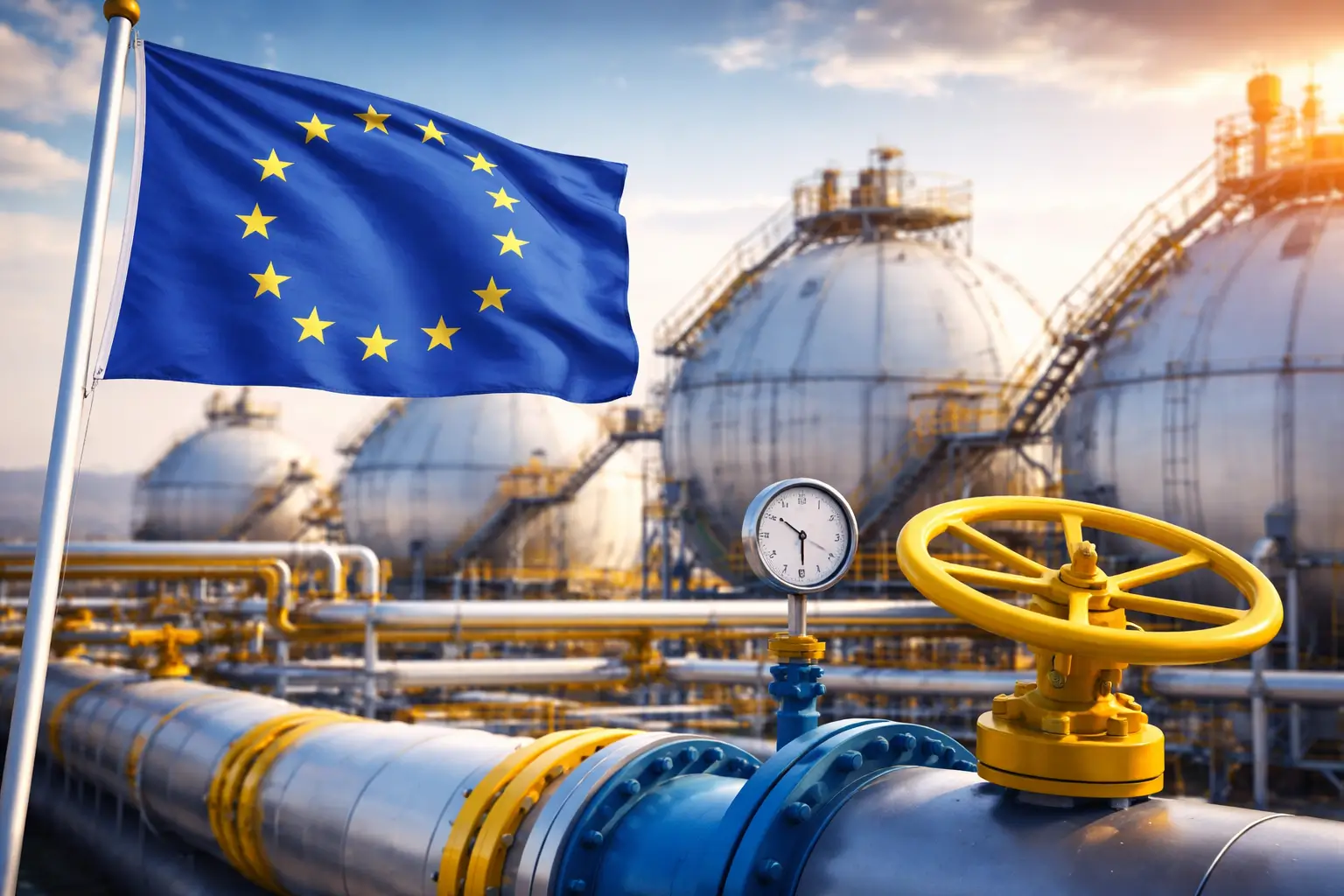
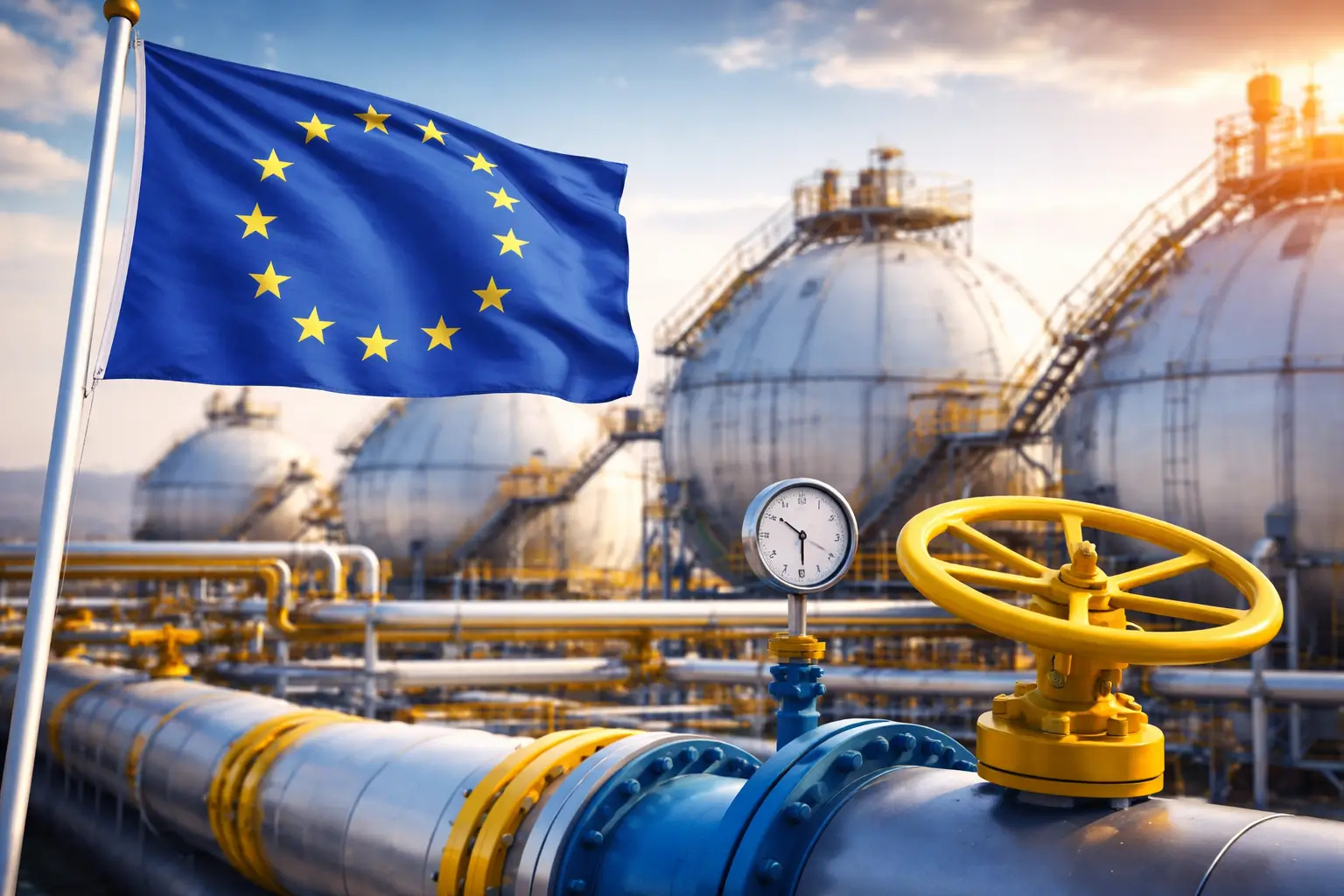 The European Union (EU) is sending a strong signal to its member states to accelerate gas storage efforts as global energy markets face heightened volatility driven by escalating geopolitical tensions in the Middle East.
This move is widely seen as a precautionary step to mitigate supply disruption risks, particularly as Europe remains significantly dependent on imported energy. Early stockpiling is expected not only to stabilize the regional market but also to ease price pressures during the peak winter demand season.
In recent weeks, European gas prices have risen notably as markets react to risks surrounding energy infrastructure and key transportation routes.
Geopolitical tensions in the Middle East—a critical hub in the global energy supply chain—have intensified concerns over potential supply disruptions. These risks are not only impacting gas prices but are also spilling over into broader energy markets, including oil and electricity.
As a result, rising energy costs are adding inflationary pressure across European economies. At a time when inflation remains a key challenge for central banks, energy price volatility is further complicating policy decisions.
In response to these uncertainties, the EU has advised member states not to delay their gas storage plans as in previous years.
Instead, the bloc is encouraging earlier stockpiling to avoid concentrated buying during peak periods—when demand surges and energy prices typically spike. This “demand spike” effect has previously driven sharp increases in gas prices during winter, placing heavy burdens on both households and businesses.
Early storage helps distribute demand more evenly over time while creating a critical buffer that enhances flexibility in responding to unexpected supply shocks.
A notable aspect of the EU’s current strategy is its more flexible policy approach compared to previous periods.
Rather than enforcing rigid storage targets, some proposals suggest that the EU may adjust reserve requirements depending on market conditions. The goal is to avoid adding excessive demand pressure at a time when energy prices are already elevated.
This approach reflects a careful balancing act between ensuring energy security and controlling costs. Setting overly aggressive storage targets during periods of high prices could inadvertently push prices even higher, negatively impacting the broader economy.
Analysts believe that global energy markets are entering a phase of heightened sensitivity to geopolitical developments.
Tensions in the Middle East, combined with uncertainties surrounding key energy transit routes, are increasing price volatility and making forecasts less predictable. In this context, early gas stockpiling can be seen more as a risk management strategy than a short-term reaction.
At the same time, it highlights a structural issue: Europe’s continued reliance on external energy supplies remains a significant vulnerability. Despite efforts to diversify sources following past crises, full energy independence is still out of reach.
In the short term, gas and energy prices in Europe are expected to remain highly volatile as markets closely monitor developments in the Middle East and policy actions from the EU.
Any signals related to supply disruptions or changes in storage strategies could trigger rapid price swings. This creates challenges for businesses, particularly energy-intensive industries such as manufacturing, chemicals, and transportation.
Over the longer term, sustained pressure from high energy prices and supply risks could accelerate Europe’s energy transition.
European countries are likely to ramp up investments in renewable energy, expand liquefied natural gas (LNG) infrastructure, and seek alternative supply sources to reduce dependence on geopolitically sensitive regions.
At the same time, improving energy efficiency and advancing storage technologies will play a crucial role in strengthening long-term resilience.
The EU’s push for early gas stockpiling underscores a growing sense of urgency in addressing global energy risks. In an increasingly volatile market shaped by geopolitical tensions, proactive measures are essential not only to safeguard supply but also to maintain macroeconomic stability.
However, in the long run, Europe’s energy security will depend on deeper structural solutions, including supply diversification and a faster transition toward sustainable energy sources.