.png)
 Tiếng Việt
 English


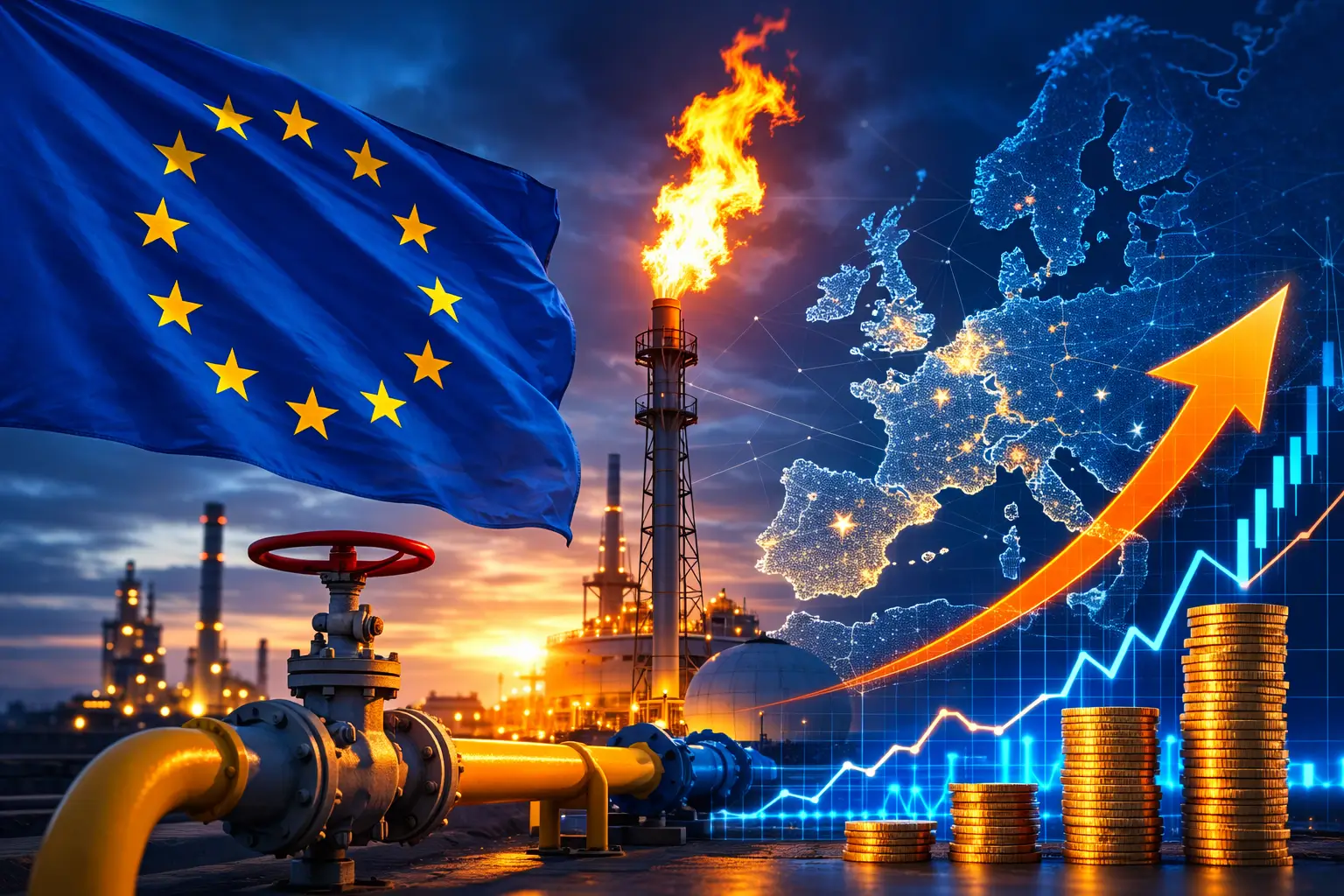 Energy prices in Europe surge amid Middle East tensions
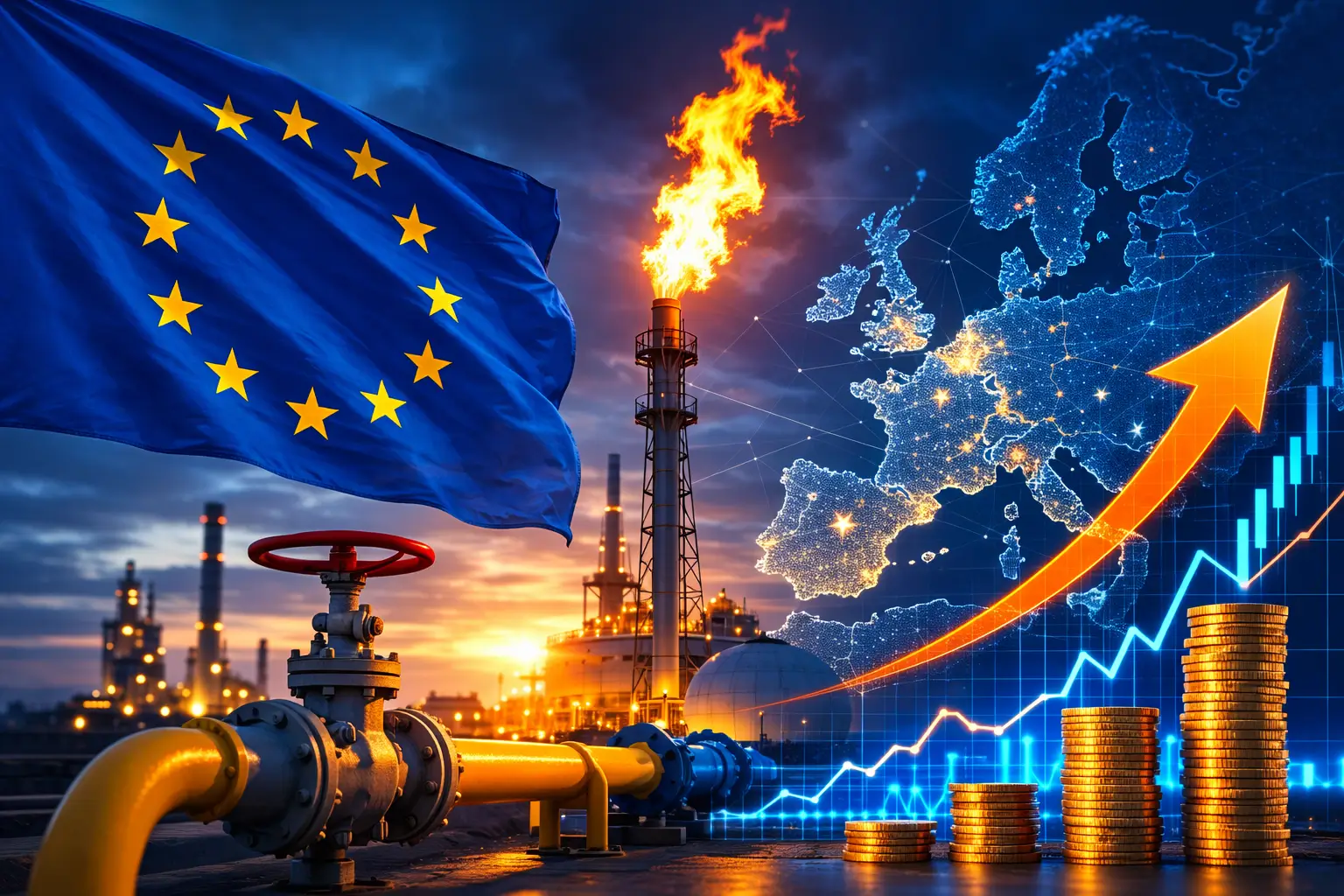
The European Union (EU) is facing renewed turbulence in the energy market as gas prices across the region spike sharply following escalating geopolitical tensions in the Middle East. Energy ministers from EU member states have convened emergency meetings to discuss urgent measures aimed at reducing the financial burden of rising energy costs on households and businesses.
According to recent market reports, gas prices in Europe have surged by more than 50% since the conflict escalated, pushing the region’s energy market into a new phase of instability.
The sudden surge has raised concerns that Europe could once again face a severe energy shock, reminiscent of the crisis triggered by the Russia–Ukraine conflict in 2022.
Under growing pressure from soaring energy prices, the European Commission is currently reviewing a range of emergency policy options designed to stabilize the market and shield consumers from escalating costs.
Among the measures being discussed are:
Energy subsidies for industries with high energy consumption
Temporary tax reductions on energy products
The potential introduction of a gas price cap
Adjustments to the EU carbon trading system
These measures are intended to provide short-term relief for households and businesses while helping to prevent further economic disruption across the region.
However, implementing such policies remains politically complex, as EU member states hold differing views on how best to address the crisis.
One of the biggest challenges facing the European Union is the divergence of policy approaches among member countries.
Some of the bloc’s largest economies support large-scale subsidy programs designed to protect industries and consumers from rising energy costs. Others, however, worry that such measures could distort competition within the EU single market.
Certain countries, including Italy, have proposed more aggressive interventions, such as temporarily easing climate regulations or adjusting the EU carbon market in order to lower industrial energy costs.
These policy debates highlight the difficulty of reaching a unified strategy capable of addressing the crisis across the entire European Union.
The sharp increase in energy prices is creating significant risks for the economic outlook of the eurozone.
Economists warn that higher energy costs could reduce consumer purchasing power while simultaneously increasing production expenses for businesses, potentially slowing economic growth.
Some forecasts suggest that a renewed energy shock could weaken economic momentum in the eurozone and push inflation higher again in 2026.
Industries that rely heavily on energy — including chemicals, steel manufacturing, and paper production — may face particularly severe pressure. In extreme cases, some companies may be forced to reduce production or temporarily shut down facilities.
One of the key reasons Europe remains vulnerable to global energy shocks is its continued reliance on imported fossil fuels.
Recent estimates suggest that the European Union imports more than 90% of its oil and around 80% of its natural gas, making the region highly sensitive to geopolitical disruptions in global energy supply.
As a result, any disturbance in global energy flows can quickly translate into higher prices across European markets.
Policymakers increasingly recognize that energy security has become a strategic priority for the long-term stability of the European economy.
In response to the latest energy crisis, the EU is accelerating its long-term transition toward renewable and low-carbon energy sources.
The European Commission believes that large-scale investments in renewable energy, nuclear power, and energy storage technologies could significantly reduce the region’s dependence on imported fossil fuels.
In addition, the EU is promoting initiatives aimed at improving energy efficiency and modernizing electricity infrastructure to reduce overall energy consumption.
Although the energy transition may involve substantial costs in the short term, many experts argue that it will ultimately help Europe build a more resilient and sustainable energy system.
In the short term, Europe’s energy market is likely to remain volatile as geopolitical uncertainties persist.
If tensions in the Middle East continue or global energy supply disruptions worsen, both gas and oil prices could remain elevated for an extended period.
However, some analysts believe that government interventions and additional energy supplies from alternative markets could eventually help stabilize prices in the medium term.
Nevertheless, the current crisis serves as a powerful reminder that Europe must continue diversifying its energy sources and accelerating the development of sustainable energy systems to safeguard its economic future.