.png)
 Tiếng Việt
 English


Europe’s economy is navigating turbulent waters as it grapples with surging inflation and a growing risk of technical recession. Amid ongoing geopolitical tensions and global supply chain disruptions, the region finds itself facing some of the most complex macroeconomic challenges in recent years.
According to the latest data from Eurostat, the annual inflation rate in the Eurozone reached 6.1% in October 2024 — more than triple the European Central Bank’s (ECB) 2% target. This spike is largely driven by persistent increases in energy and food prices, which continue to erode consumer purchasing power and strain household budgets.
For the ECB, this inflation surge presents a classic policy dilemma: should it tighten monetary policy to curb inflation, or ease to support growth? Each path comes with considerable trade-offs and long-term consequences.
Beyond inflation, the Eurozone has now slipped into a technical recession, with GDP contracting for two consecutive quarters. This development has raised alarm bells among economists and investors, casting doubt on the region’s ability to maintain economic momentum.
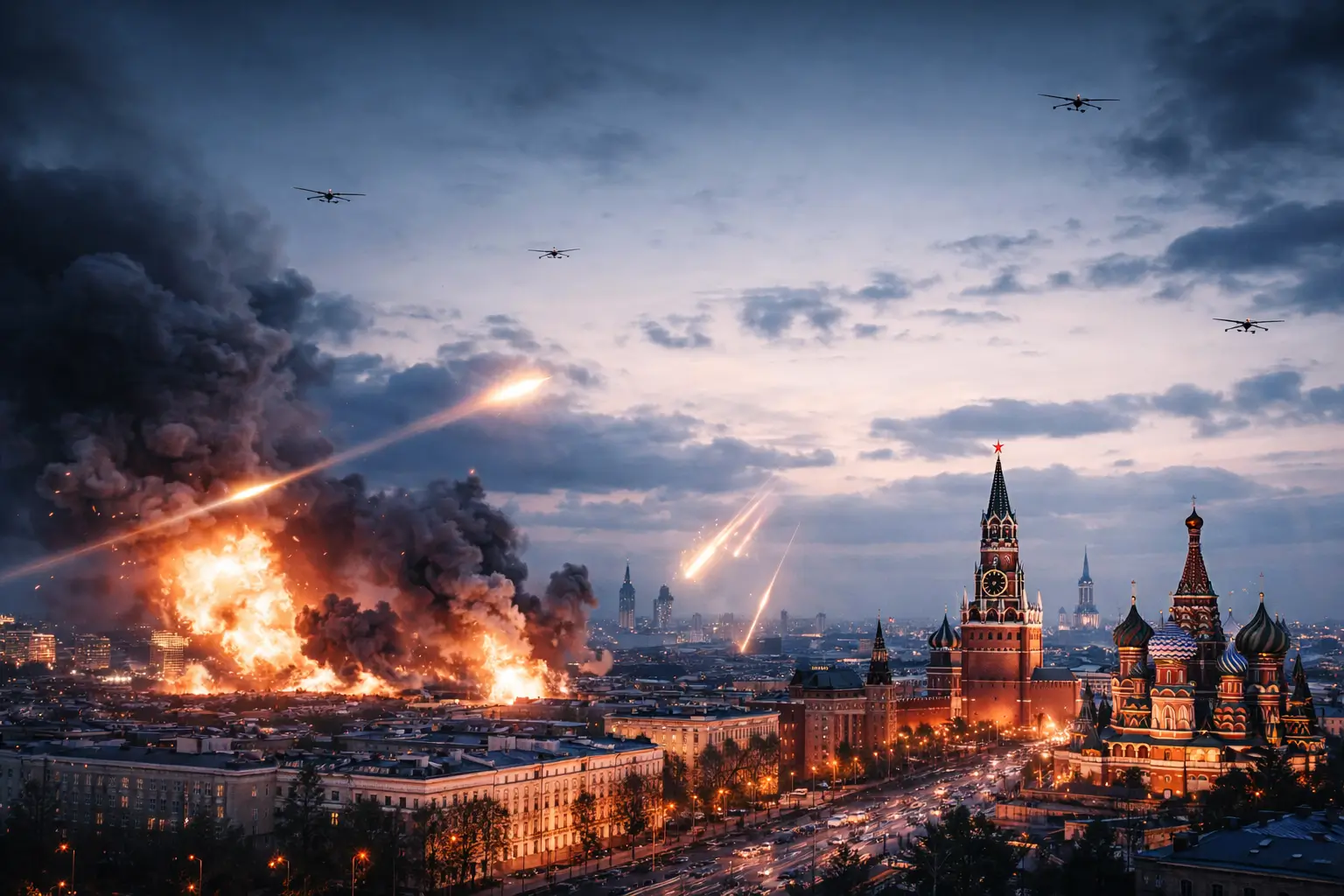
Contributing to this downturn are lingering effects of the Russia–Ukraine conflict and ongoing disruptions in global trade and energy supplies. The International Monetary Fund (IMF) has warned that without decisive policy intervention, Europe may fall short of its growth targets for 2024.
In response to inflationary pressures, the ECB has initiated a series of interest rate hikes. However, several analysts caution that aggressive tightening could further hamper economic recovery. They advocate for a more balanced approach, with better coordination between monetary and fiscal policies to manage inflation while supporting demand.
At the same time, European governments are actively considering financial support packages aimed at easing the burden on households and small businesses — key pillars of economic resilience and recovery.
Looking ahead to 2025, Europe’s outlook remains uncertain unless bold reforms are enacted. Experts urge policymakers to focus on high-impact sectors such as renewable energy, digital transformation, and green technology. Investing in these areas could reduce dependency on fossil fuels, boost job creation, and pave the way for sustainable long-term growth.
With inflation climbing and growth faltering, Europe stands at a defining economic moment. The region’s ability to emerge stronger will depend on swift, coordinated actions between governments, central banks, and the private sector. Only through strategic reforms and targeted investments can Europe restore stability and chart a resilient path toward recovery.