.png)
 Tiếng Việt
 English


Vietnam’s domestic fuel prices recorded a sharp decline in the latest adjustment on November 27. RON95-III fell to 20,000 VND/liter, while diesel dropped to 18,800 VND/liter, in line with the downward trend of global energy markets.
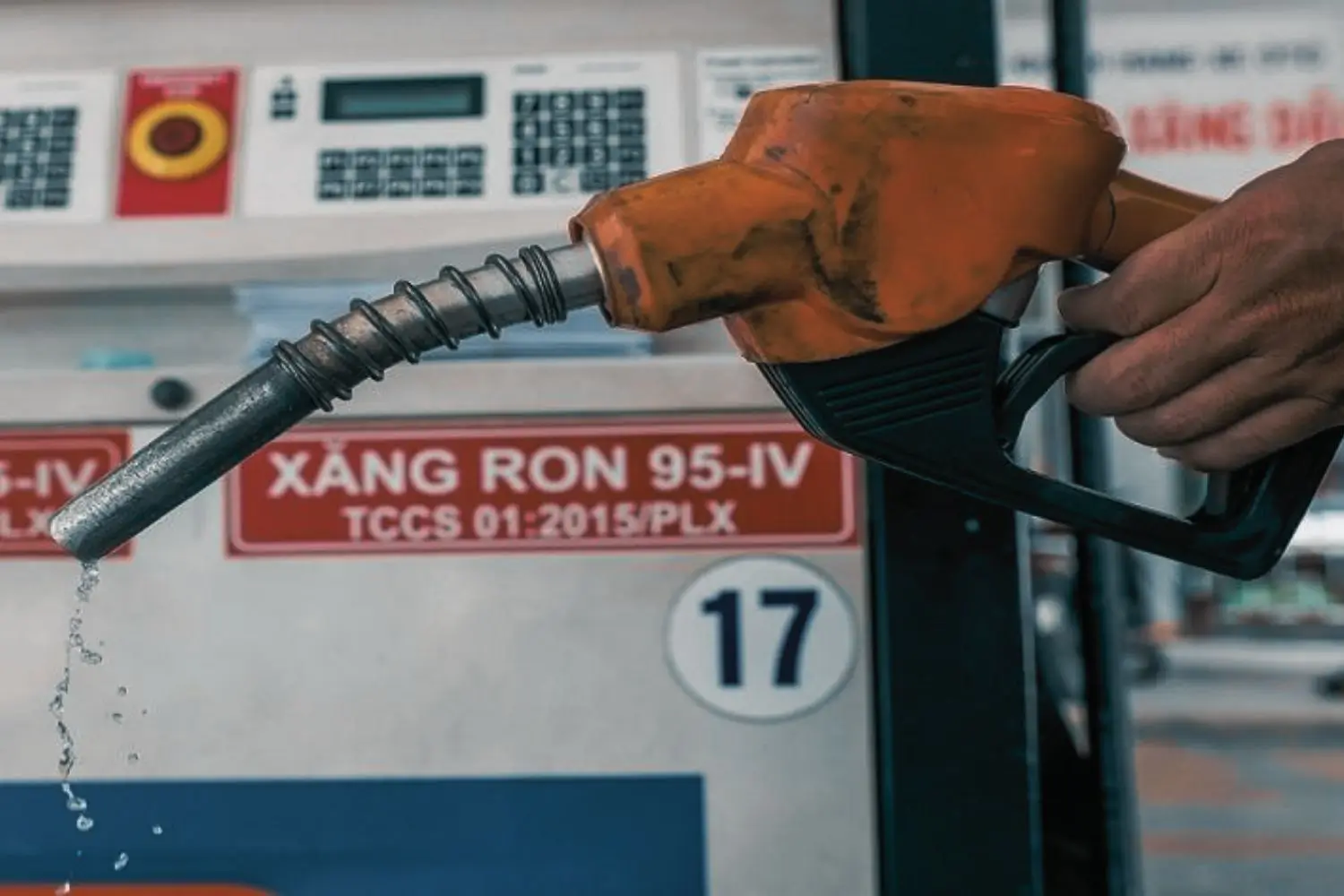
Vietnam’s retail fuel market saw a notable adjustment in the price update released on November 27. According to the Ministry of Industry and Trade, retail fuel prices across the country were simultaneously reduced starting from 3:00 PM on November 27.
In the gasoline group, prices recorded steep declines:
RON95-III – the most widely used gasoline grade – decreased 540 VND/liter, bringing its price down to 20,000 VND/liter.
E5 RON92 dropped 520 VND/liter, now priced at 19,280 VND/liter.
This marks one of the rare occasions this year when gasoline prices have returned to the 20,000 VND/liter range, reflecting a strong correlation with the global downward price movement.
Not only gasoline, but oil products also recorded significant reductions compared to the previous adjustment:
Diesel: down to 18,800 VND/liter
Kerosene: down to 19,470 VND/liter
Mazut oil: down 250 VND/kg, now 13,480 VND/kg
The decline across all oil categories aligns with the global downtrend in crude oil prices last week, driven by concerns over slow demand recovery and abundant worldwide supply.
The Ministry of Industry and Trade confirmed that for this adjustment cycle, regulators continue to maintain the policy of neither deducting from nor using the Fuel Price Stabilization Fund (BOG) — a measure consistently applied since early 2024.
Petrolimex reported that the fund balance at the enterprise currently stands at 3.086 trillion VND, ensuring sufficient reserve capacity for future interventions if market volatility intensifies.
By not allocating or tapping into the fund, domestic fuel prices can more accurately reflect global market movements, easing financial pressure on consumers and businesses.
According to the Ministry of Industry and Trade, the price adjustments were based on three key factors:
During the 7 days preceding the adjustment, global fuel prices consistently dipped due to:
Lower demand forecasts
Increased supply in several regions
Market caution ahead of macroeconomic updates from the U.S. and China
The price difference encourages consumers to shift toward biofuel (E5 RON92), aligning with national energy-saving and environmental goals.
The pricing strategy aims to support:
Consumers
Fuel distributors and wholesalers
Government regulatory objectives
This approach ensures market stability, uninterrupted supply, and reduced cost burdens for both households and businesses.
Lower gasoline prices ease the cost of commuting and daily transportation needs — especially during the year-end peak consumption period.
Industries with high fuel dependency, such as logistics, transportation, e-commerce, and delivery services, benefit immediately from the lower costs.
Fuel is a core input with strong spillover effects on CPI. Lower prices help:
Ease inflationary pressure
Support macroeconomic policy flexibility
Stabilize price levels during the final months of the year
Future price movements will depend on several key global factors:
Fluctuations in crude oil prices
OPEC+ production policies
Economic performance in major markets (U.S., China, EU)
Geopolitical developments in the Middle East and Europe
Seasonal global energy demand during winter
Analysts expect domestic prices to remain relatively stable in the near term but note that uncertainties in global supply-demand dynamics may trigger sharp adjustments.
Because global fuel prices declined sharply, and Vietnam maintained the policy of not using or contributing to the price stabilization fund.
Diesel dropped to 18,800 VND/liter, a significant decrease compared to last week.
The government maintains a price gap to encourage the use of biofuel, supporting environmental and energy-saving policies.
Petrolimex reports a balance of 3.086 trillion VND.