.png)
 Tiếng Việt
 English


 Beyond the military developments in the Middle East, the world is witnessing a growing wave of diplomatic tensions among major powers and leading economies. Diverging strategies, competing interests, and differing approaches to crisis management are increasingly exposing fractures within the international system.
Recent signals point to a concerning trend: global relationships are being tested not only by armed conflicts but also by mounting pressure on nations to align with specific geopolitical blocs. This dynamic is creating a more complex and less predictable global environment.
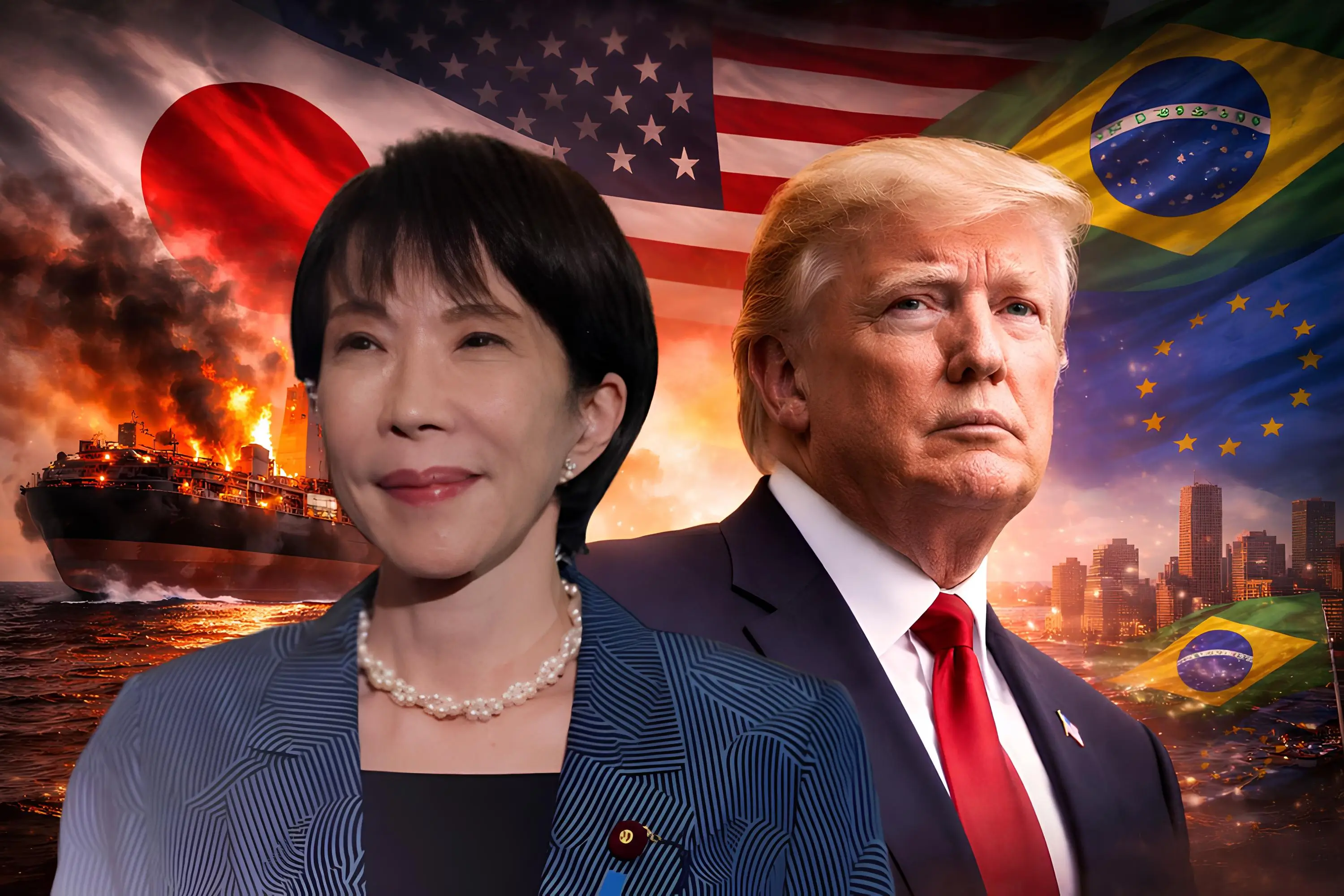
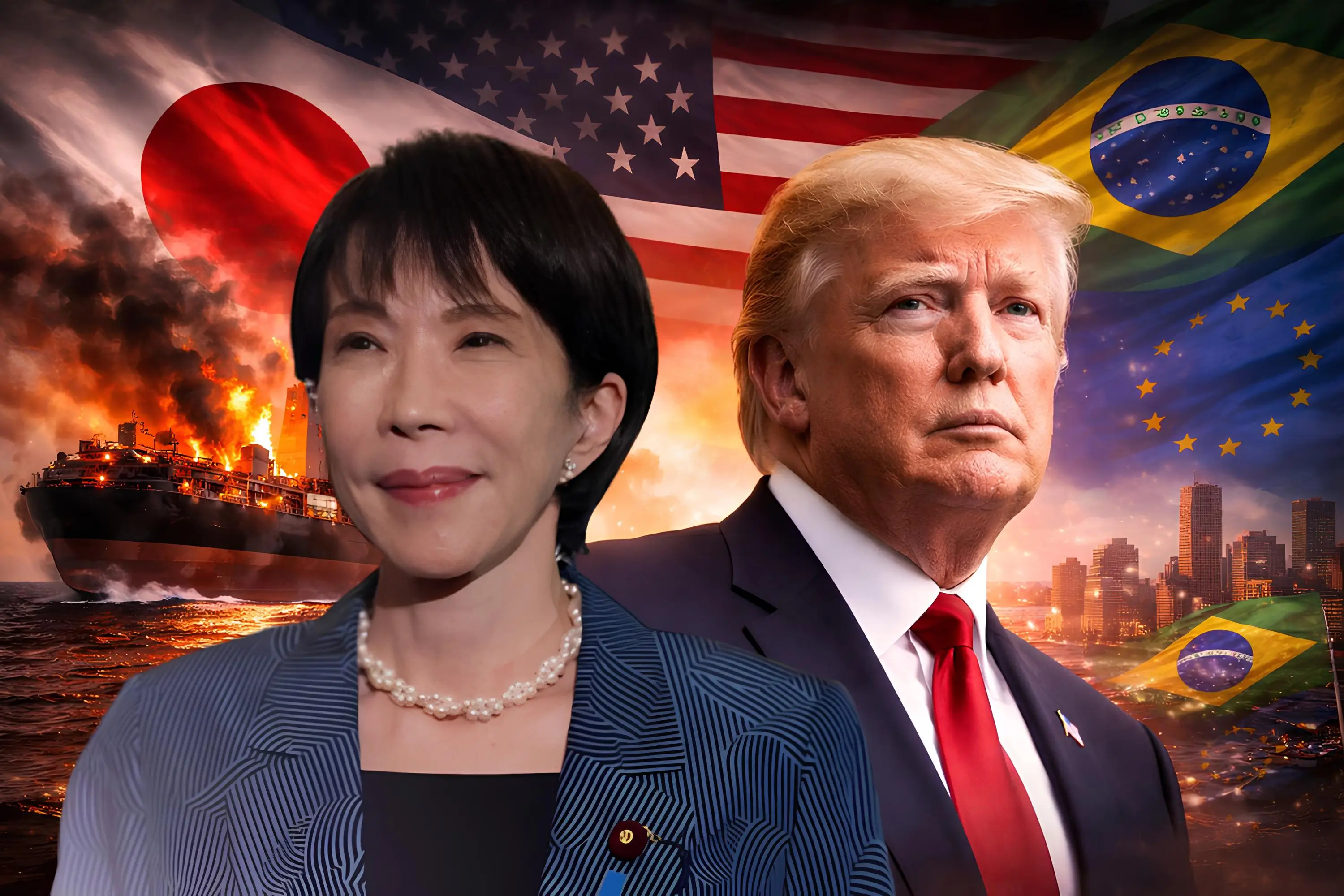
One of the most notable diplomatic flashpoints is the evolving relationship between the United States and Japan. Washington is reportedly increasing pressure on Tokyo to play a more active role in securing oil transport routes through the Strait of Hormuz.
This waterway is a critical lifeline for global energy supply, particularly for import-dependent economies such as Japan.
However, the request places Tokyo in a difficult position:
On one hand, Japan remains a long-standing strategic ally of the United States
On the other, deeper military involvement could heighten security risks and draw the country closer to direct conflict
These differing priorities highlight how even stable alliances are being tested in the current environment.
Beyond traditional allies, several emerging economies are increasingly vocal in their criticism of U.S. foreign policy.
Brazil stands out as a prominent example, with its leadership openly accusing Washington of adopting an “overly imposing” approach in global affairs.
This reflects broader trends:
Rising dissatisfaction among emerging markets
A push for a more balanced international order
Efforts to reduce dependence on Western powers
This is not an isolated case, but part of a wider shift in global diplomatic dynamics.
Across Europe, governments are ramping up defense capabilities in response to growing instability.
Many countries have:
Increased military spending
Strengthened intra-European security cooperation
Prepared contingency plans for potential conflict spillovers
These moves indicate that Europe no longer views regional conflicts as distant threats, but as direct risks to its own security.
Taken together, current developments point to a broader structural shift: increasing geopolitical fragmentation.
Countries are:
Forming tighter alliances within interest-based blocs
Becoming more inclined to “choose sides” on major issues
Reducing reliance on multilateral cooperation
This is leading to the emergence of new geopolitical blocs, characterized by:
A Western bloc led by the United States
Emerging economies seeking strategic independence
Neutral nations attempting to maintain balance
Such fragmentation raises the risk of conflict and undermines the effectiveness of global cooperation mechanisms.
Diplomatic tensions are not confined to politics—they have significant economic implications.
Key impacts include:
Strategic routes like the Strait of Hormuz could be affected, increasing logistics costs and disrupting global supply chains.
Investors are shifting toward safe-haven assets, leading to increased volatility in equities and cryptocurrencies.
Geopolitical risks are pushing up energy and commodity prices, complicating monetary policy decisions.
In this environment, global businesses are being forced to adapt their strategies to a more uncertain world.
Supply chains are being diversified
Investments are being reallocated geographically
Risk management costs are rising
For investors, geopolitical risk assessment is becoming as important as economic analysis. Decisions are no longer based solely on financial indicators but must also factor in political and security developments.
Current developments suggest that the world may be entering a major transitional phase.
Key features of this emerging order may include:
Reduced reliance on traditional global institutions
Greater importance of regional alliances
Intensified strategic competition among major powers
While this transformation may unfold over time, early signs are already becoming evident.
The global diplomatic tensions of 2026 are not merely the result of regional conflicts—they reflect deeper structural changes in the global balance of power.
From U.S.–Japan relations to Brazil’s pushback and Europe’s defensive posture, the overarching trend is clear: the world is becoming more fragmented, more complex, and less predictable.
In this context, closely monitoring geopolitical developments will be essential for understanding and forecasting global economic trends in the years ahead.