.png)
 Tiếng Việt
 English


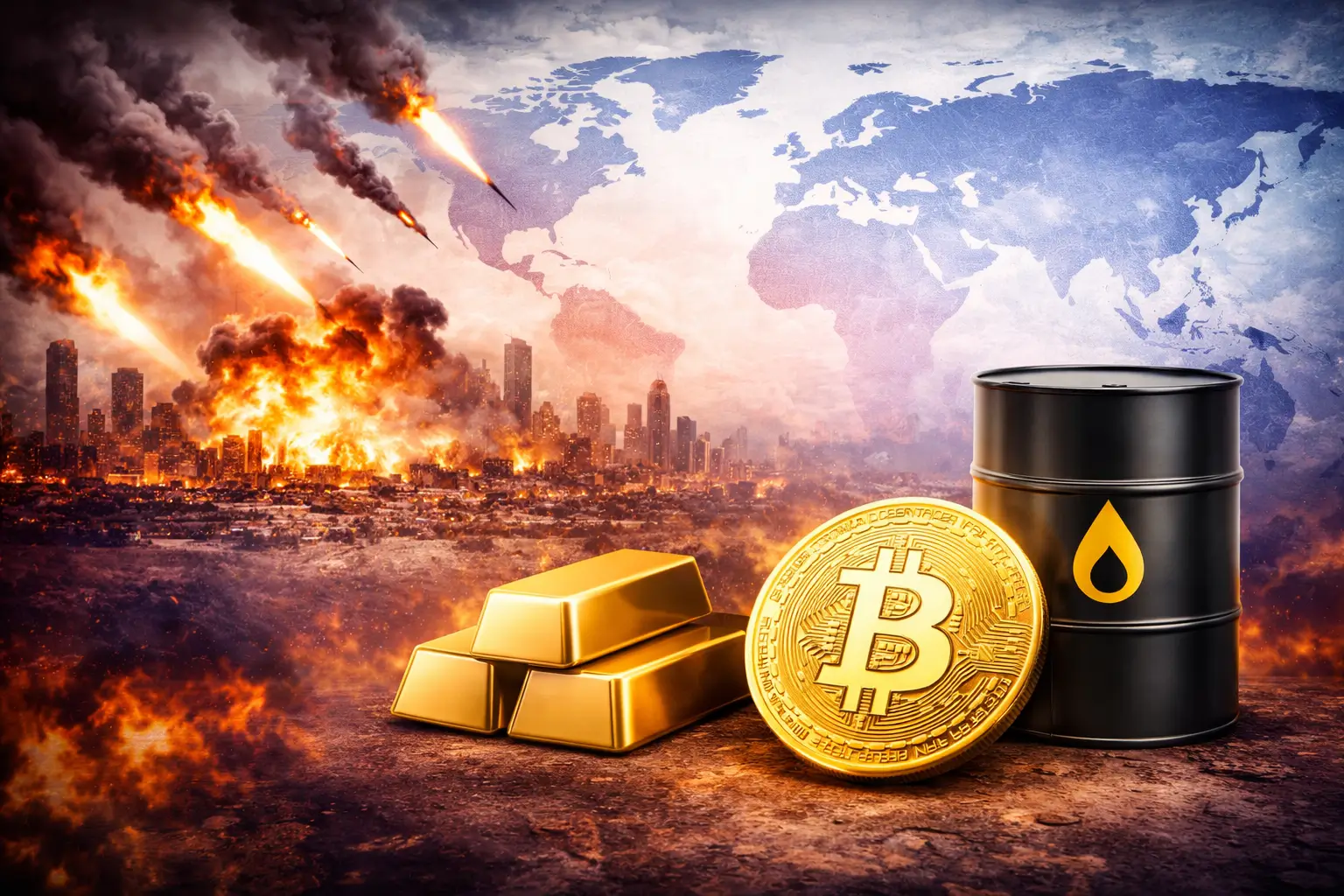 The global economy entered a new phase of instability on March 18, 2026, as escalating conflict in the Middle East continued to ripple across financial markets. Rising oil prices, persistent inflation risks, and uncertainty surrounding central bank policies are creating a complex and fragile environment for investors worldwide.
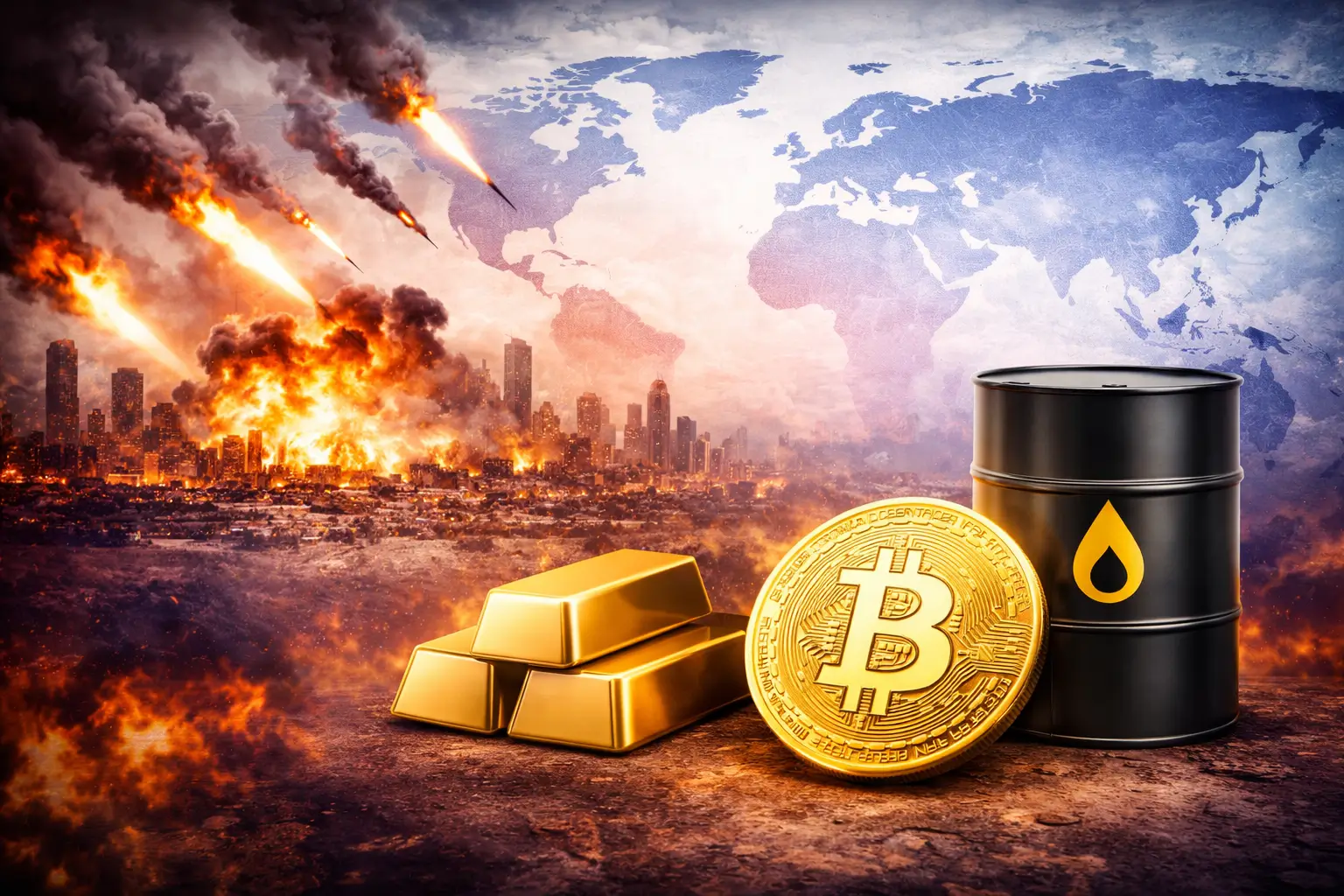
At the center of this turbulence lies a powerful combination of geopolitical escalation and economic uncertainty—one that is reshaping market behavior across commodities, equities, and safe-haven assets.
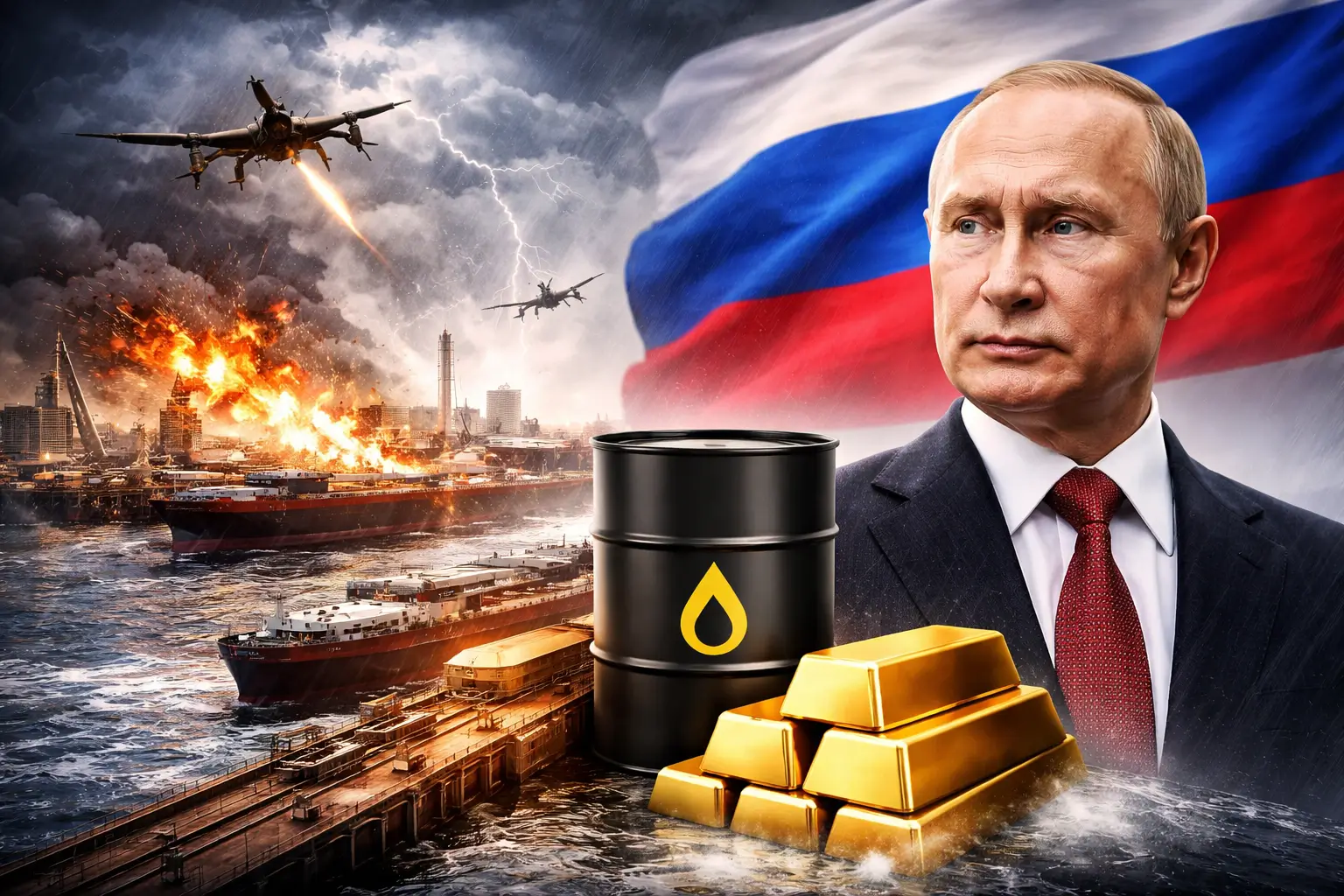
Tensions between the United States, Israel, and Iran have now entered their third week, with no clear signs of de-escalation. The conflict has increasingly targeted energy infrastructure, raising concerns about long-term supply disruptions.
Recent developments highlight the severity of the situation:
Iran has launched coordinated drone and missile attacks on key oil and gas facilities across the Gulf region, including the UAE and Iraq
More than 2,000 strikes have been recorded since the conflict began, focusing on strategic infrastructure
Tehran has also threatened energy assets in Saudi Arabia and Qatar, signaling further escalation
The Strait of Hormuz—through which roughly 20% of global oil flows—remains at the center of the crisis. Any prolonged disruption here could trigger one of the most severe energy shocks in modern history.
Analysts warn that this could become the largest supply disruption since the 1970s oil crisis, with cascading effects on global trade and economic stability.
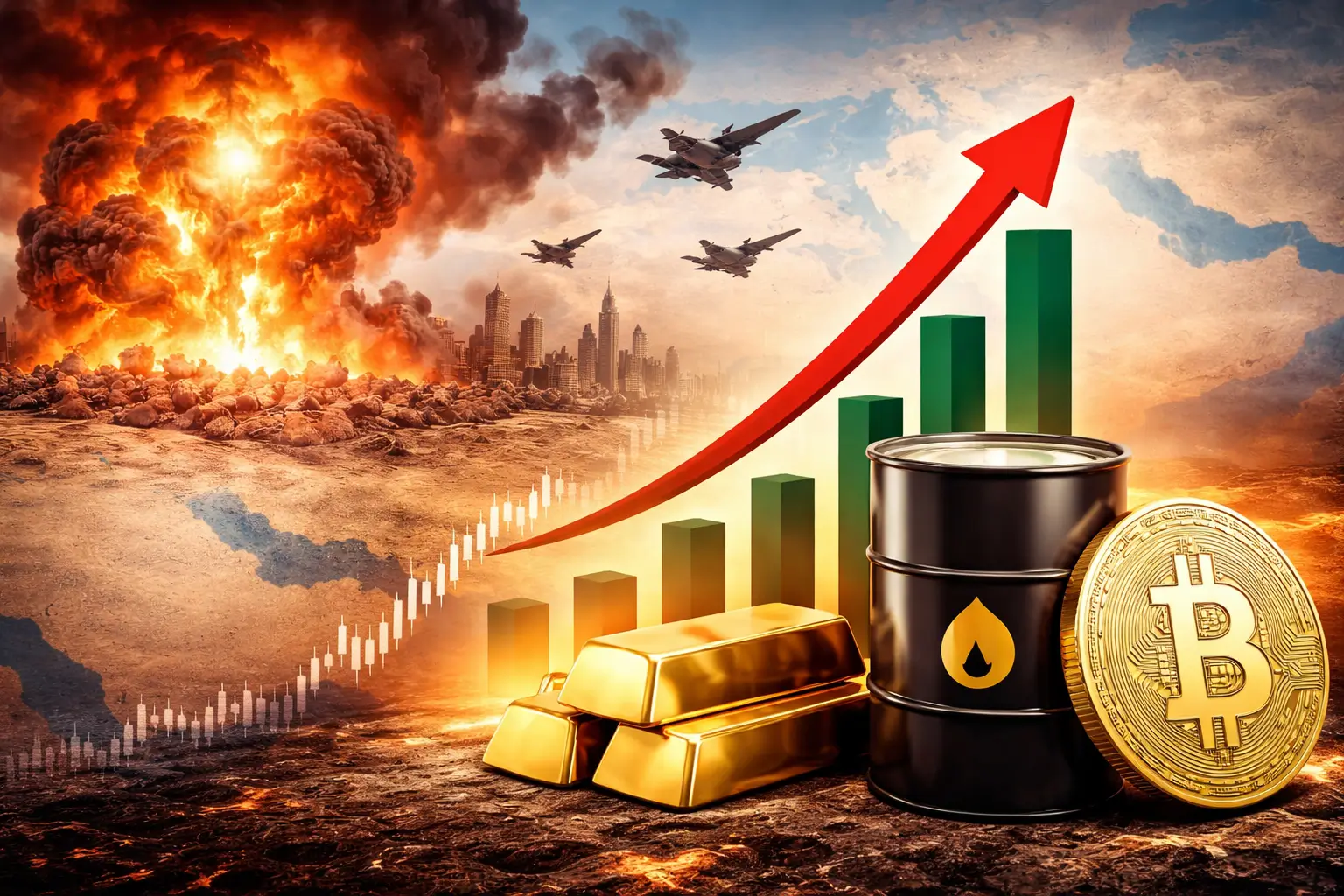
Energy markets have reacted sharply to the escalating conflict. Oil prices remain elevated, reinforcing fears of a renewed inflation cycle.
Brent crude continues to trade above $100 per barrel, despite short-term volatility
Some physical crude grades have surged even higher due to supply shortages and logistical disruptions
The conflict has already driven oil prices up more than 40% since late February
Even when prices temporarily dip due to inventory data or technical corrections, the broader trend remains upward.
The implications are significant:
Rising energy costs increase production and transportation expenses
Inflationary pressures re-emerge across major economies
Consumer spending and economic growth face renewed headwinds
According to market analysts, sustained oil prices above $100 could delay monetary easing globally and increase the risk of stagflation—a combination of slow growth and high inflation.
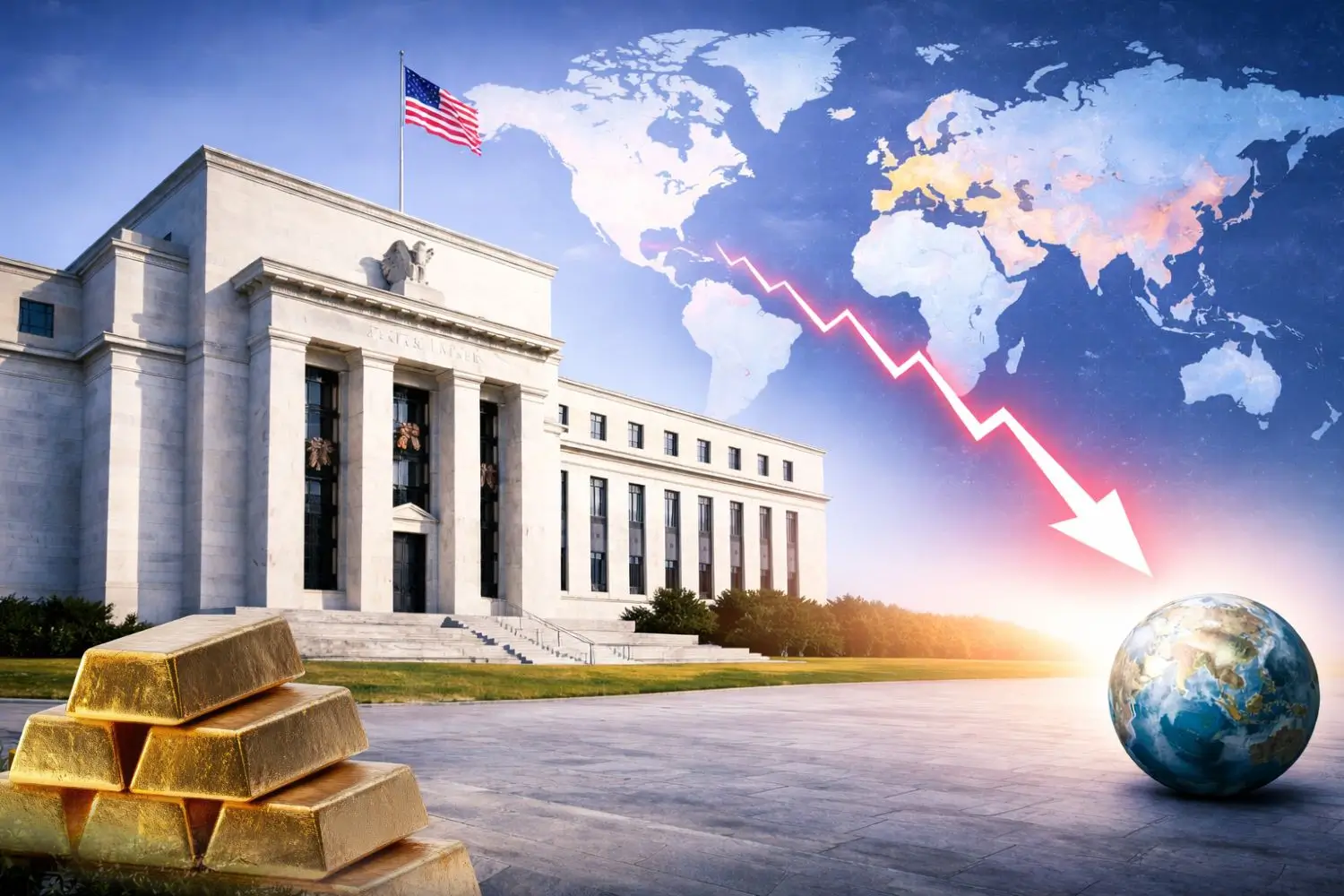
Against this backdrop, the U.S. Federal Reserve finds itself in a difficult position.
Markets widely expect the Fed to hold interest rates steady in the near term. However, the surge in energy prices complicates the outlook.
Key challenges include:
Inflation risks driven by oil and supply chain disruptions
Slowing economic growth in major economies
Market expectations for eventual rate cuts
Goldman Sachs and other institutions have warned that persistent energy-driven inflation could force central banks to maintain higher interest rates for longer than previously expected.
This “higher-for-longer” scenario is already influencing asset allocation decisions across global markets.
In theory, geopolitical instability should benefit gold as a safe-haven asset. However, reality has proven more complex.
On March 18:
Spot gold fell nearly 2% to around $4,903 per ounce, marking a one-month low
Prices remain volatile, fluctuating near the $5,000 level
This apparent contradiction can be explained by several factors:
A stronger U.S. dollar and elevated bond yields reduce the attractiveness of gold, which does not generate income.
Markets are currently in a “wait-and-see” mode ahead of the Fed’s policy decision, limiting aggressive buying.
After reaching record highs earlier in the year, gold is experiencing consolidation as investors lock in profits.
Despite short-term weakness, long-term fundamentals remain supportive. Central bank demand, diversification strategies, and geopolitical risks continue to underpin the broader bullish outlook for gold.
Interestingly, global equity markets have not collapsed under the weight of geopolitical risks.
U.S. stocks have posted modest gains as oil price volatility eased slightly
Asian markets also recorded strong rebounds
This resilience reflects:
Expectations that central banks will manage economic risks
Continued liquidity in financial systems
Investor optimism about corporate earnings stability
However, analysts caution that this stability may be fragile. Any escalation in the conflict or further spikes in oil prices could quickly reverse market sentiment.
The current global environment can be described as a “multi-crisis” phase, where several major risks are unfolding simultaneously:
The Middle East conflict threatens to expand and disrupt global energy supply chains.
High energy prices and persistent inflation could slow global growth.
Volatility across commodities, currencies, and equities remains elevated.
This convergence of risks creates an environment where traditional market relationships no longer behave predictably.
Looking ahead, three key factors will shape global markets in the coming weeks:
Any escalation or resolution will have immediate implications for energy prices and investor sentiment.
Markets will closely analyze comments from Fed Chair Jerome Powell for clues on future interest rate direction.
Sustained prices above $100—or a move toward $120—could significantly alter inflation expectations and economic forecasts.
The events of March 18, 2026, underscore a critical turning point for the global economy.
Rising geopolitical tensions, elevated energy prices, and uncertain monetary policy are combining to create a complex and volatile landscape.
While markets have shown resilience so far, underlying risks continue to build.
In this environment, investors are no longer just reacting to economic data—they are navigating a world where geopolitics and macroeconomics are deeply intertwined.
The coming weeks may determine whether the global economy stabilizes—or enters a new cycle of sustained volatility.