.png)
 Tiếng Việt
 English


 Global Economy Enters a “Polycrisis” Phase
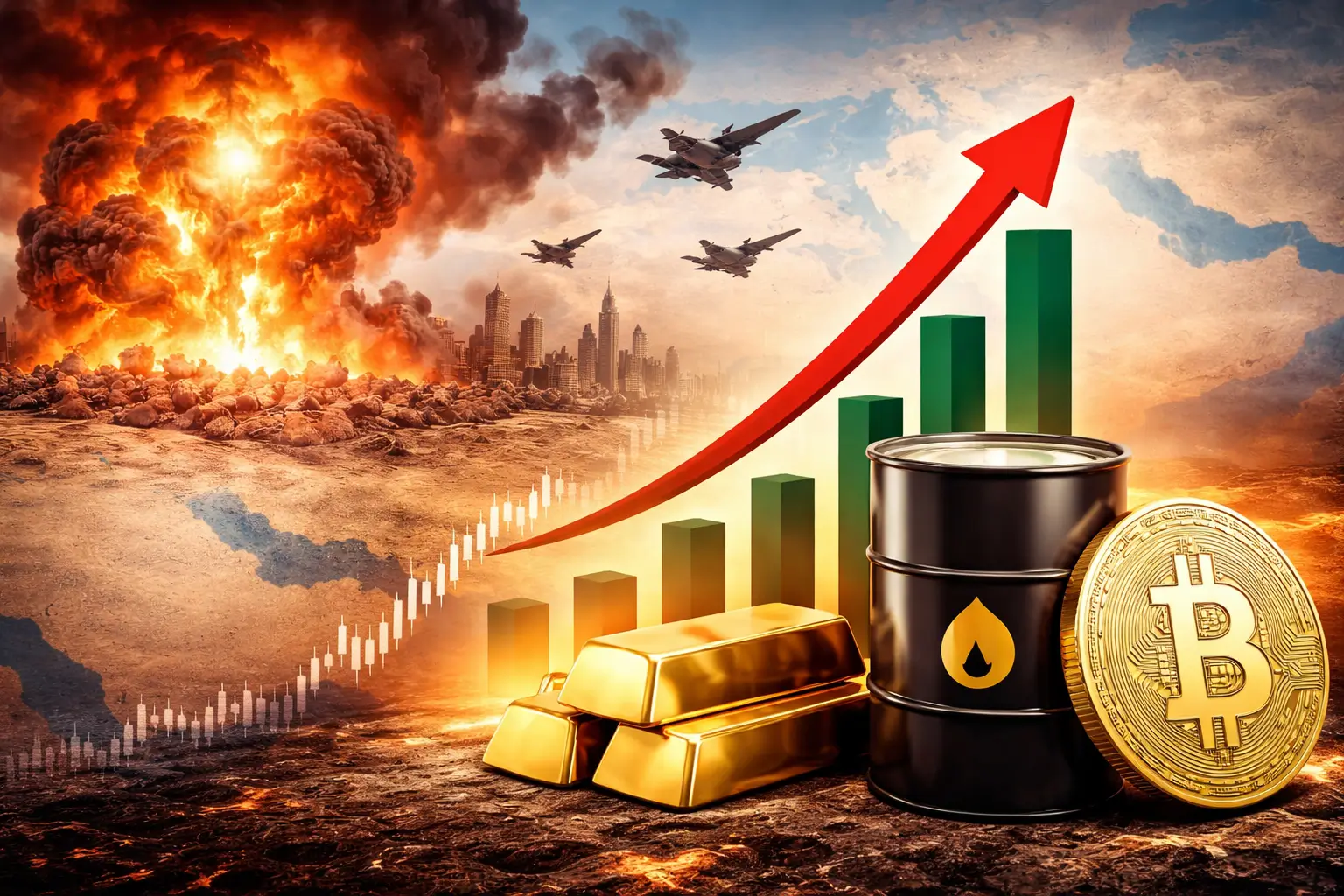
March 18, 2026 marks a critical turning point for the global economy, as multiple risk factors converge, creating what analysts increasingly describe as a “polycrisis.” This is no longer a series of isolated shocks, but a layered interaction between geopolitics, energy markets, and monetary policy.
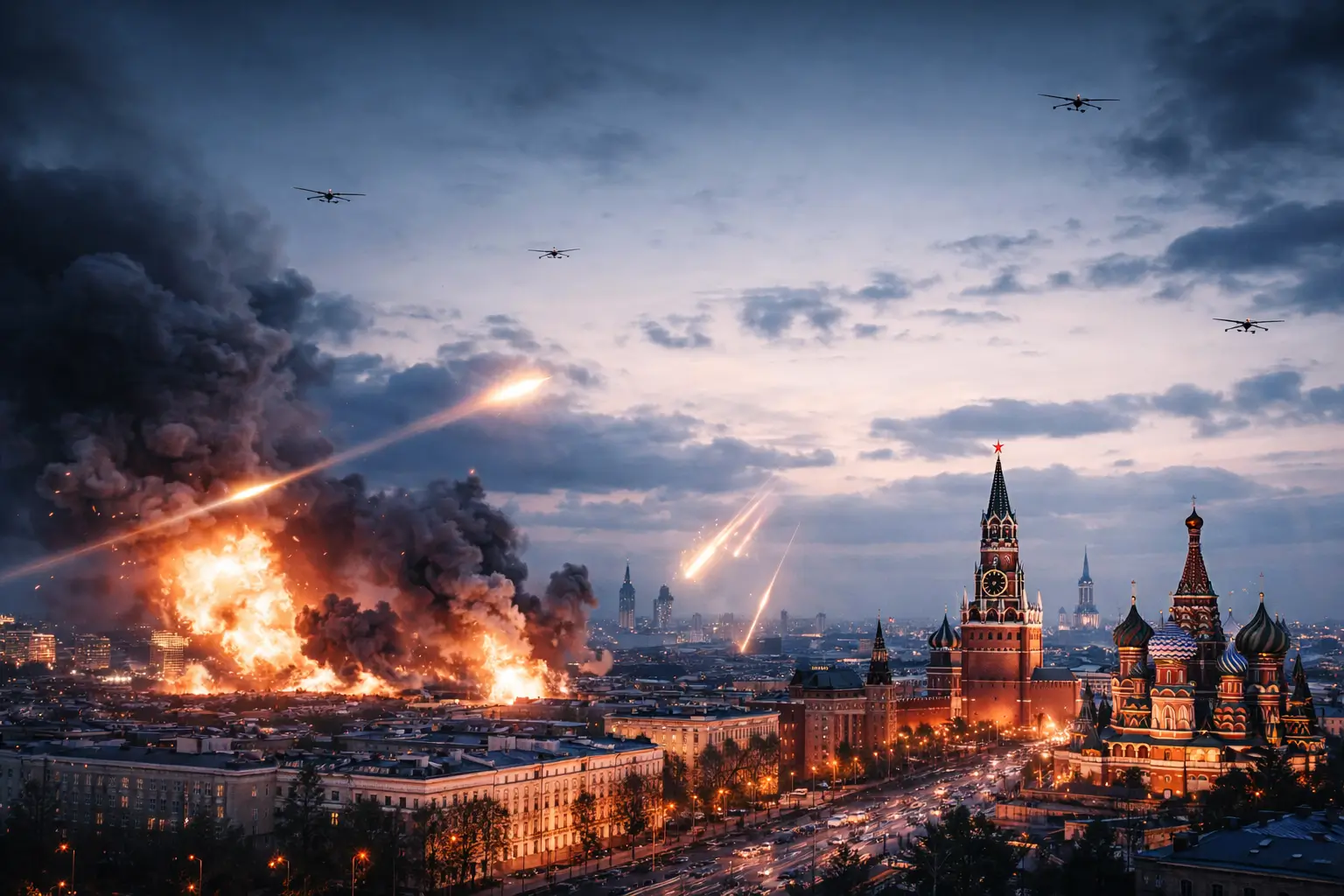
At the center of current volatility is the escalating tension in the Middle East. The conflict involving Iran, the United States, and Israel shows little sign of easing, raising concerns about potential disruptions to key energy transit routes—particularly the Strait of Hormuz. This has intensified fears of a sudden global supply shock.
Against this backdrop, oil prices remain firmly above the $100-per-barrel threshold—a level widely considered sensitive for the global economy. Elevated energy costs are not only increasing production expenses but also adding renewed pressure on inflation, which has yet to be fully contained following an extended period of monetary tightening.
Notably, financial market reactions have not been as negative as in previous crises.
Gold, traditionally seen as a safe-haven asset, has risen modestly but has not surged significantly. This suggests that capital has not fully rotated into defensive assets. Instead, investors appear to be in a “wait-and-see” mode, closely monitoring macroeconomic developments.
Global equity markets have also shown relative resilience, despite intermittent corrections. The absence of a large-scale capital flight from risk assets indicates that investor confidence—at least in the short term—remains intact.
Overall, market sentiment can best be described as cautious but not panicked, reflecting a balance between geopolitical risks and expectations of policy stability.
Persistently high oil prices have become a central force shaping market dynamics. As energy costs rise, businesses are compelled to pass on higher expenses, spreading inflationary pressures across the broader economy.
For major economies such as the United States and Europe, this presents a significant policy challenge. After an extended period of tightening aimed at controlling inflation, a renewed surge in oil prices could disrupt progress.
If inflation begins to rise again, expectations for interest rate cuts in 2026 may be delayed, potentially impacting global financial markets.
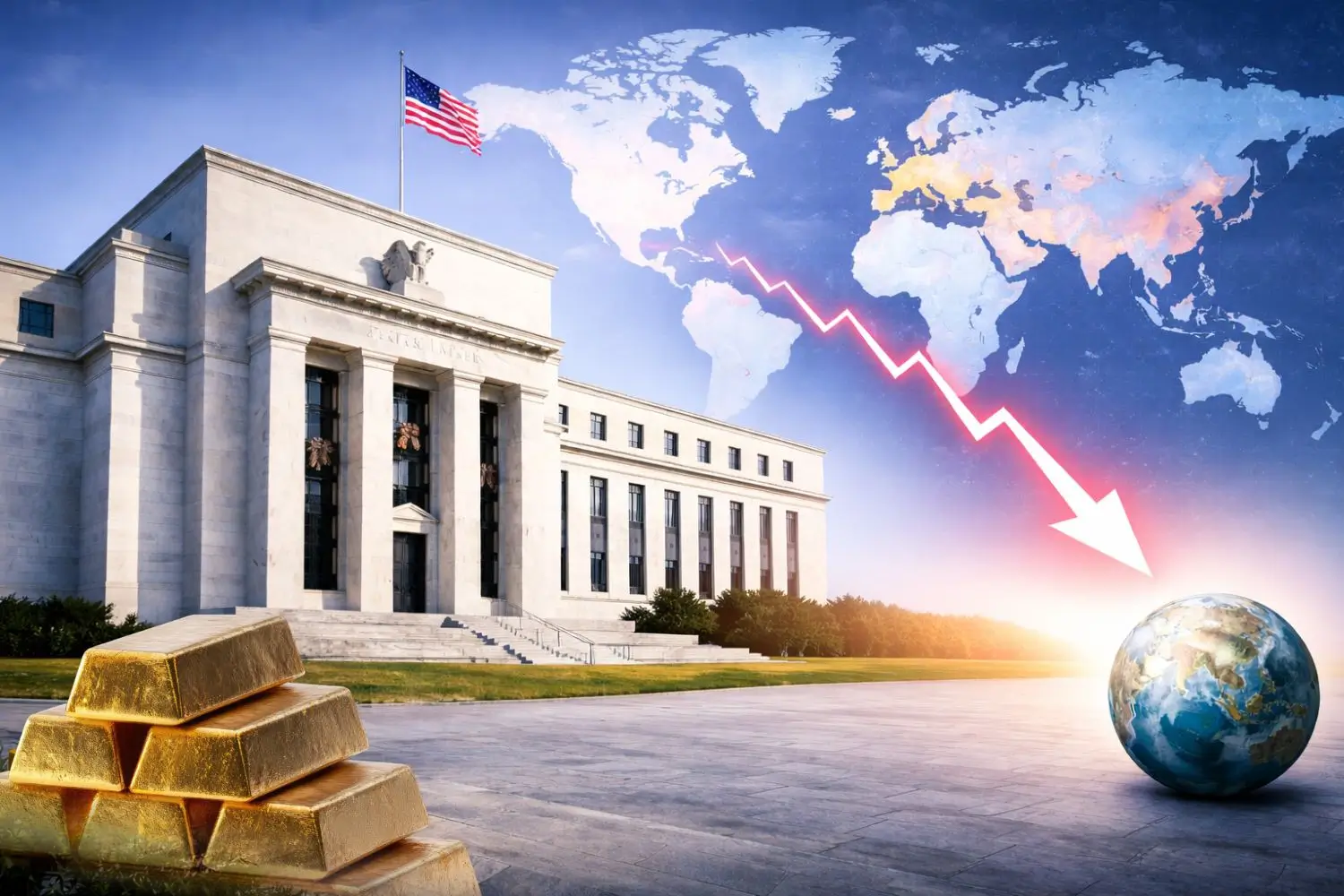
In this environment, all eyes are on the Federal Reserve. Investors are seeking clearer signals regarding the future direction of interest rates.
If the Fed maintains a cautious stance and keeps rates elevated to combat inflation, it could weigh on equities and other risk assets. Conversely, any indication of policy easing could encourage capital flows back into markets.
However, with oil prices high and geopolitical risks intensifying, the Fed’s room to maneuver remains limited.
In the short term, global financial markets will likely be shaped by three critical factors.
First, developments in the Middle East conflict will remain a primary driver. Any escalation could trigger fresh volatility in energy markets.
Second, monetary policy decisions and communication from the Federal Reserve will directly influence investor expectations, particularly regarding interest rates and inflation.
Third, oil price movements around the $100-per-barrel level will serve as a key indicator of broader economic risk.
If all three factors move in a negative direction, markets could enter a more volatile phase with heightened risk levels.
Despite rising risks, gold has yet to experience a major breakout. This indicates that investors have not fully shifted into defensive positioning.
One reason is that interest rates remain relatively high, reducing the appeal of non-yielding assets like gold. Additionally, expectations that the situation may stabilize are keeping capital engaged in risk assets.
However, if geopolitical tensions escalate further or inflation accelerates, gold could quickly regain its role as a primary safe haven.
The current global economic landscape reflects a period of heightened complexity, with multiple risk factors interacting simultaneously. Yet, importantly, the financial system remains stable and has not entered a state of panic.
This resilience highlights improved adaptability compared to past crises. However, such stability may prove temporary.
In an increasingly volatile environment, effective risk management and close monitoring of macroeconomic signals will be crucial for investors and businesses navigating the global economy.