.png)
 Tiếng Việt
 English


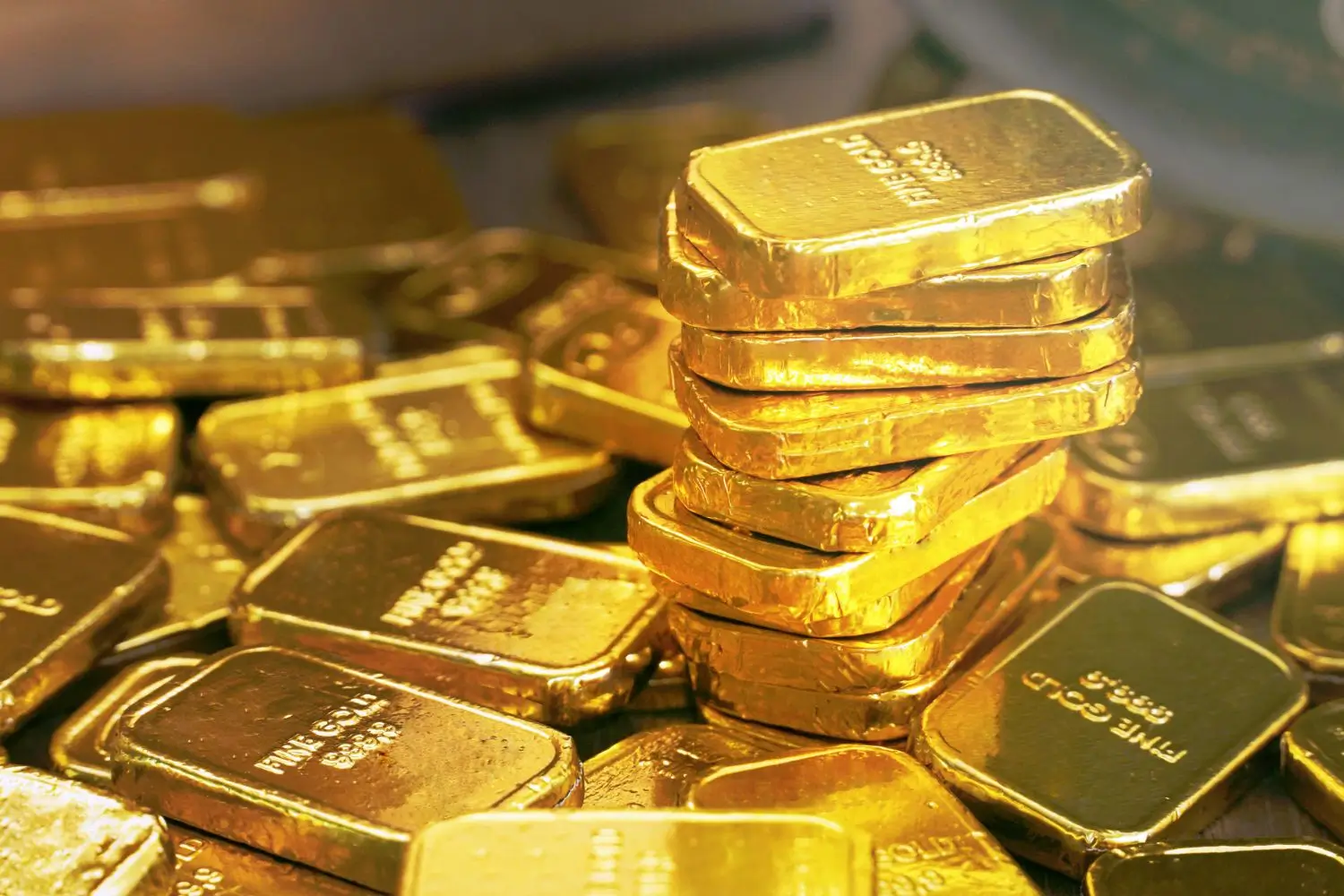
Global gold prices continued their sharp rally on October 15, 2025, edging closer to $4,200 per ounce as expectations of a U.S. Federal Reserve rate cut, a weaker dollar, and global geopolitical tensions drive investor demand for safe-haven assets.
Global gold prices extended their winning streak on Tuesday, October 15, 2025, reaching new historic highs as investors sought safety amid growing uncertainty in global markets. The spot price of gold climbed to $4,165 per ounce during early trading in London, marking a fresh record and keeping the precious metal on track to challenge the $4,200 level in the coming sessions.
The rally — now stretching into its third consecutive week — comes as markets increasingly bet that the U.S. Federal Reserve will begin cutting interest rates by December. The U.S. dollar’s ongoing slide and persistent geopolitical tensions have added further momentum to the metal’s rise.
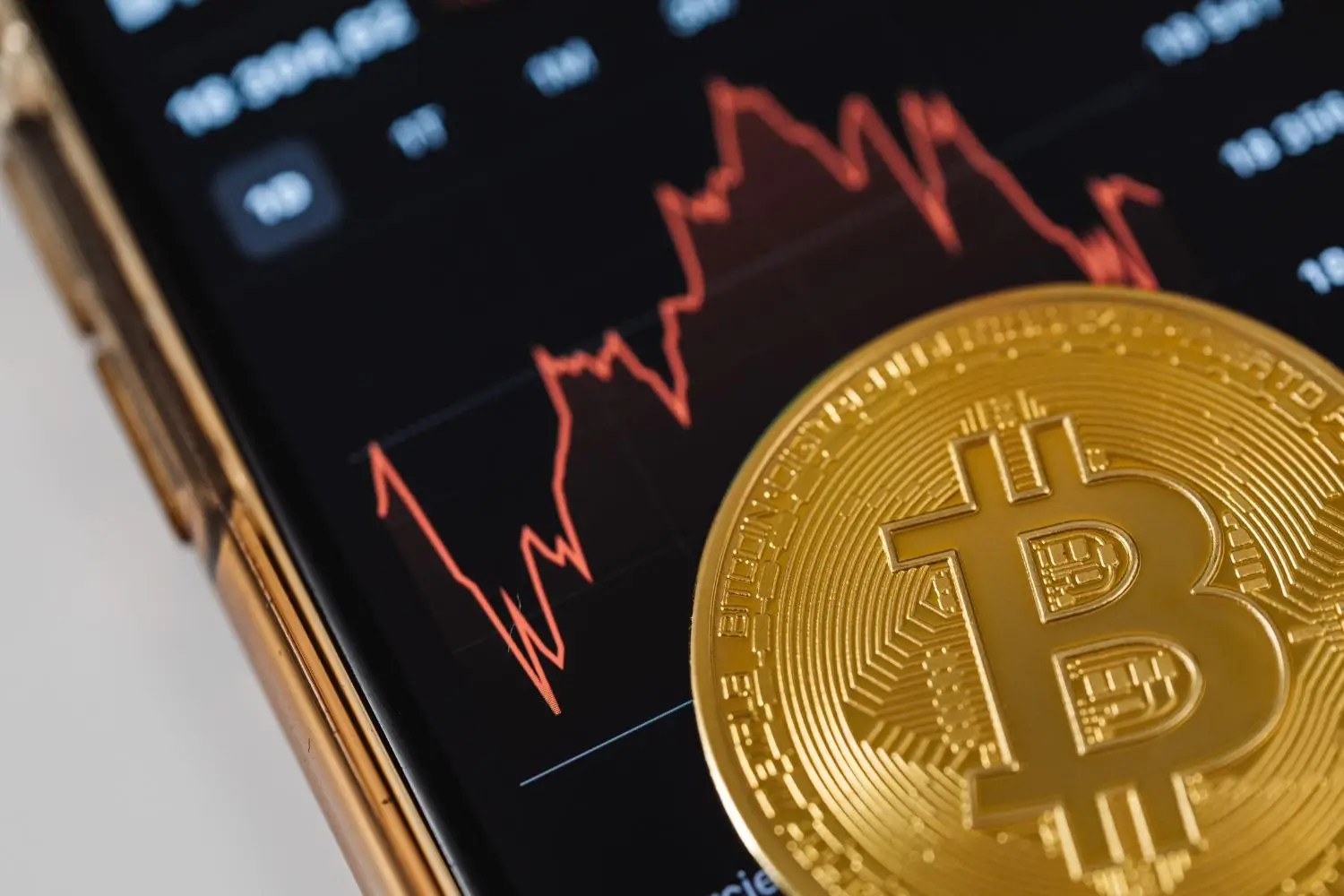
So far this year, gold has surged over 42%, outpacing all major asset classes including equities, bonds, and cryptocurrencies.
Economists and market strategists point to a combination of monetary, geopolitical, and investment factors propelling gold’s climb:
Expectations of a Fed Rate Cut
Investors are betting that the Fed will begin loosening monetary policy after a series of weak employment and retail data in the U.S. The possibility of an early rate cut has reduced the opportunity cost of holding gold — an asset that doesn’t yield interest but benefits when real rates fall.
“The market is essentially front-running the Fed,” said James Carter, Chief Market Strategist at Horizon Capital. “Every sign of softer data adds fuel to gold’s momentum.”
A Weaker U.S. Dollar
The U.S. Dollar Index (DXY) fell to 98.7 this week — its lowest in 14 months — as investors rotated out of the greenback in anticipation of easier monetary policy. A weaker dollar makes gold more affordable for non-U.S. buyers, boosting global demand.
Persistent Global Uncertainty
The continued Russia–Ukraine war, heightened U.S.–China trade frictions, and signs of a slowdown in China’s economy have all amplified safe-haven flows. Analysts say that institutional investors are reallocating from tech-heavy portfolios to tangible assets like gold and commodities.
Institutional demand remains a key pillar of support for gold. Data from the World Gold Council (WGC) shows that global central bank purchases reached nearly 920 tons in the first three quarters of 2025 — the highest level in more than six decades.
Among the most active buyers were China, India, and Singapore, each adding substantially to their gold reserves as part of efforts to diversify away from U.S. Treasury holdings.
At the same time, gold-backed ETFs have recorded consistent inflows for six straight weeks, reflecting surging retail and institutional interest.
According to WGC data, the total amount of gold held by ETFs now stands above 3,450 tons, surpassing the previous peak set in 2020 during the pandemic-driven market turmoil.
The rally has not been confined to financial markets. In Asia, physical gold demand is soaring.
In India, jewelers are reporting brisk sales ahead of the Diwali festival, despite record-high prices. In Vietnam and Thailand, long queues formed outside bullion stores as citizens sought to protect their savings against currency depreciation.
Meanwhile, in China, the government’s decision to relax import restrictions on gold has led to a wave of new demand from both banks and private investors.
While the sentiment around gold remains overwhelmingly positive, experts are divided on whether the market’s momentum is sustainable.
“Gold is in a perfect storm of bullish factors,” said Olivia Tan, Senior Commodities Analyst at CapitalWatch.
“But we’re starting to see signs of speculative excess. Retail participation has surged, and futures leverage levels are approaching the highs last seen in 2011 — right before a major correction.”
Other analysts argue that the rally still has room to run, given the global macroeconomic backdrop.
Morgan Staley, Chief Economist at Aurora Investments, noted:
“With slowing growth, a dovish Fed, and record central bank buying, we believe gold could test $4,500 per ounce by early 2026.”
The surge in gold has had ripple effects across multiple sectors:
Mining stocks are soaring, with shares of Newmont Corporation, Barrick Gold, and Agnico Eagle Mines gaining between 7–12% this week alone.
Currency markets have seen heightened volatility as the U.S. dollar weakens.
Bond yields have retreated, as investors shift into safer assets.
In contrast, the technology sector, particularly AI and semiconductor stocks, has seen mild profit-taking as investors rotate toward commodities and energy holdings.
Several Wall Street firms have revised their forecasts upward following gold’s recent breakout.
Goldman Sachs now sees gold averaging $4,250 per ounce in Q4 2025, with potential upside to $4,500 if the Fed confirms a policy pivot. UBS echoed similar optimism, projecting an average price of $4,300 next quarter.
However, analysts also warn that a faster-than-expected recovery in the dollar or a delayed Fed rate cut could cap gold’s advance.
For now, momentum remains strong — but the pace of gains has left markets sensitive to any shift in macroeconomic signals.
Beyond short-term price swings, the ongoing rally underscores a deeper transformation in global finance.
Central banks, sovereign wealth funds, and institutional investors are re-evaluating the role of gold as a reserve asset amid the perceived fragility of fiat currencies.
In an era of rising debt levels, geopolitical realignments, and declining faith in paper assets, gold is once again being viewed not just as a hedge — but as a monetary anchor.
“Gold is becoming the quiet currency of a multipolar world,” said Dr. Henry Lee, Senior Economist at the International Finance Forum.
“Whether it’s central banks buying reserves or individuals seeking safety, the message is clear: confidence in fiat systems is eroding.”
As the year draws to a close, the focus will remain on the Federal Reserve’s policy meeting in December. Should rate cuts be announced, analysts expect a fresh wave of buying that could send gold prices beyond $4,200 and potentially close to $4,400–$4,500 by early 2026.
However, if inflation unexpectedly rebounds or the U.S. economy shows resilience, gold could face a temporary pullback.
Most experts agree, though, that the long-term structural uptrend remains intact — supported by the dual forces of monetary easing and global uncertainty.
1. Why are gold prices rising so sharply in October 2025?
Because investors expect the U.S. Federal Reserve to begin cutting interest rates soon, while geopolitical tensions and a weaker dollar have boosted safe-haven demand.
2. Can gold reach $4,500 per ounce?
Analysts believe it’s possible if the Fed confirms rate cuts and global demand stays strong. However, a rebound in the dollar could limit gains.
3. Are central banks still buying gold?
Yes. Global central banks have purchased nearly 920 tons of gold in 2025 — the highest level in 60 years — led by China and India.
4. Should investors buy gold now?
Experts recommend a measured approach: maintain exposure for diversification, but avoid chasing short-term spikes amid potential volatility.