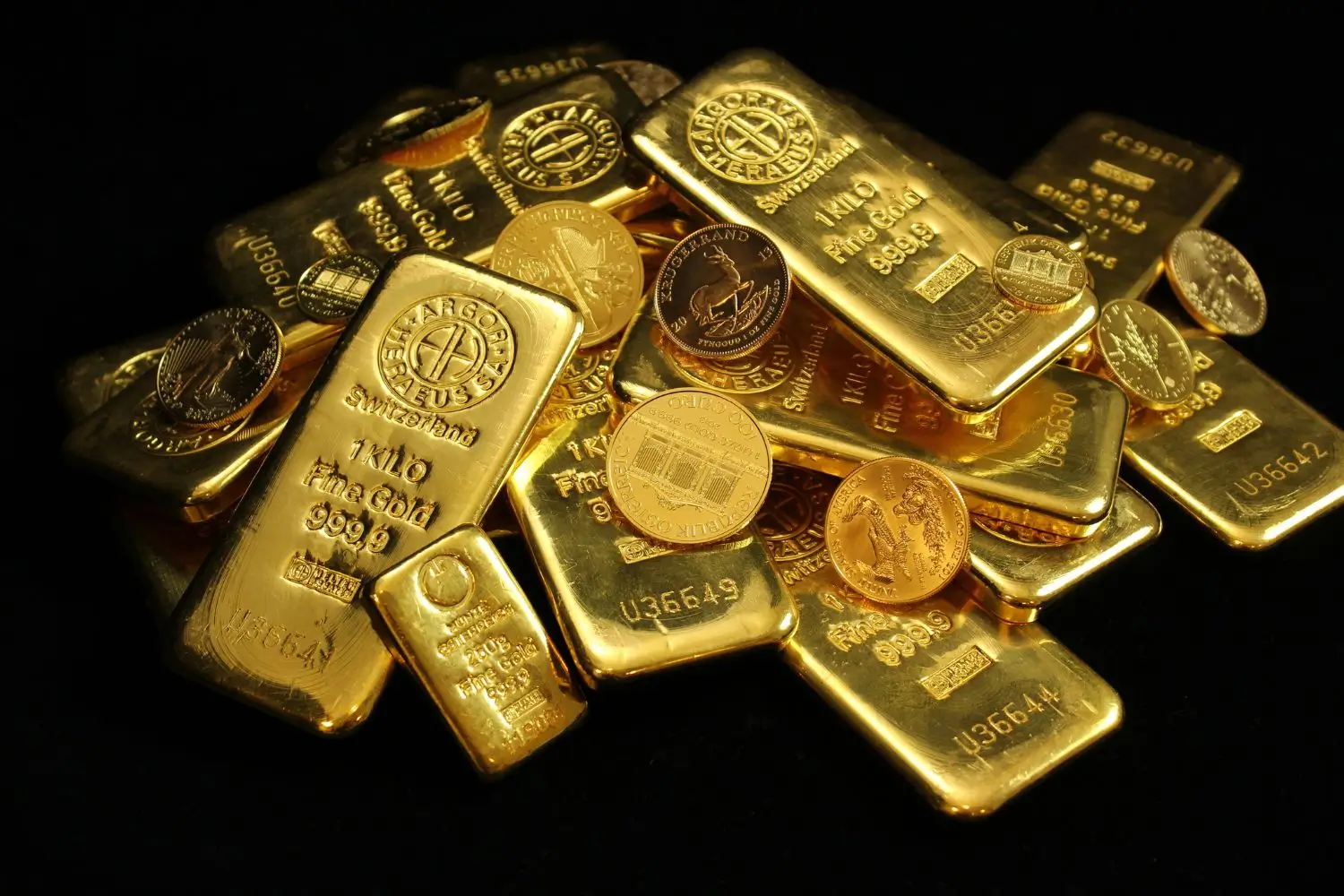
International – Gold prices surged past $3,500 per ounce on September 2, reaching an all-time high as growing expectations of a Federal Reserve rate cut and persistent geopolitical risks fueled strong safe-haven demand.
Spot gold jumped 1.5% to $3,526.7/oz at the close of trading, after touching a record high of $3,526.22/oz. Gold futures climbed 2.1% to $3,590.9/oz. Year-to-date, gold has soared nearly 34%.
According to the CME FedWatch tool, markets now price in a 92% chance of a 0.25% rate cut at the Fed’s September 17 meeting. Lower interest rates typically benefit gold, which does not yield income.
Analysts highlighted that central bank purchases, a weaker U.S. dollar, heightened geopolitical tensions, and ongoing policy uncertainty in Washington have all strengthened gold’s appeal this year.
SPDR Gold Trust, the world’s largest gold-backed ETF, reported holdings rising 1.01% on August 29 to 977.68 tonnes — the highest level since August 2022. Analysts see this as further evidence of robust institutional demand supporting higher prices.
On September 3, domestic gold prices tracked the global rally. SJC gold bars were quoted at VND 131.9 – 133.4 million per tael, up VND 2.8 million compared with pre-holiday levels. Gold rings traded at VND 125.1 – 127.6 million per tael.
At an exchange rate of VND 26,200/USD, domestic prices stood more than VND 21 million per tael higher than world prices, reflecting significant premiums in Vietnam’s market.
Analysts suggest gold could push to new highs in the coming weeks, particularly if U.S. nonfarm payroll data on September 5 comes in weaker than expected, raising the case for a larger 0.5% rate cut.
Despite the bullish momentum, experts warn investors to remain cautious of potential short-term corrections. Much of the Fed rate cut expectation is already priced in, meaning stronger-than-expected U.S. economic data could trigger a pullback.
In Vietnam, the wide gap between domestic and international gold prices presents added risk for physical buyers. Market observers recommend monitoring Fed policy signals, U.S. dollar trends, and geopolitical developments closely while maintaining diversified portfolios to avoid overexposure to gold.

.jpg)
.png)
 Tiếng Việt
 English