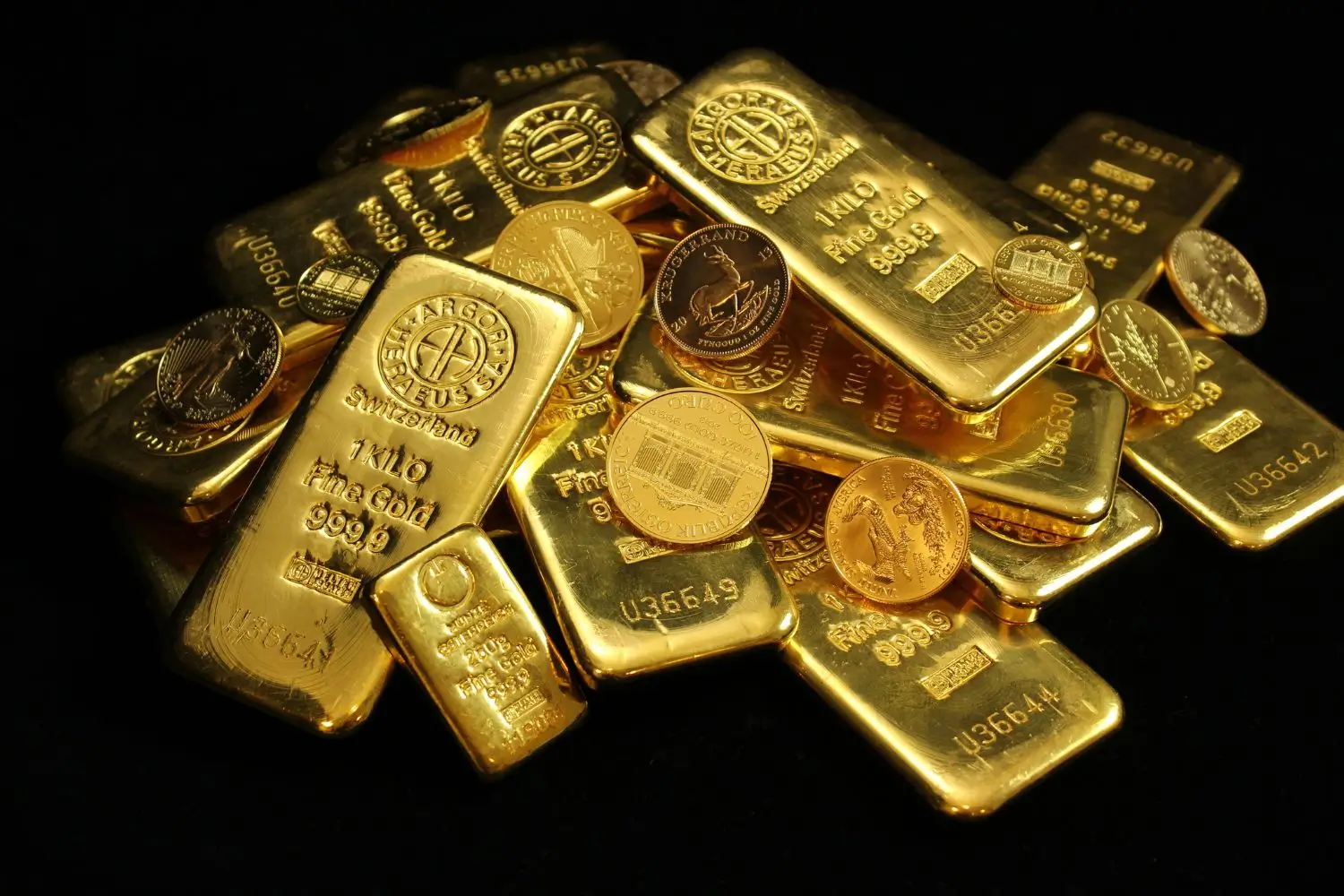
Global gold prices are holding firm at record-high levels above USD 4,500 per ounce, supported by escalating geopolitical risks and shifting market expectations surrounding the monetary policy outlook of the U.S. Federal Reserve (Fed). This trend not only reflects strong safe-haven demand among international investors but has also pushed domestic gold prices in several markets to unprecedented levels.
On the morning of January 12, SJC gold bars were quoted by Vietnamese gold dealers at around VND 160–162 million per tael (buy–sell), up VND 2.2 million per tael from the previous weekend. The bid–ask spread remained unchanged at VND 2 million per tael. This marks the highest level ever recorded in Vietnam’s domestic gold market, underscoring the strong spillover effect from the global rally in gold prices.
Earlier, during the trading week from January 5 to January 10, SJC gold prices were widely quoted at VND 157.8–159.8 million per tael, a level previously set in late December 2025. Within a short period, the market has established a new price floor, signaling that buying momentum continues to dominate.
The rally in domestic gold has mirrored the upward trajectory of the global market. Gold prices began the week around USD 4,370 per ounce, quickly climbed past USD 4,400, and then reached a short-term peak near USD 4,450 before approaching the USD 4,500 threshold. After an initial pullback to around USD 4,420 midweek, the precious metal rebounded sharply toward the end of the week.
Notably, following the release of weaker-than-expected U.S. employment data for the final month of 2025, gold prices surged above USD 4,500 per ounce and closed the week at approximately USD 4,510. Overall, gold gained more than USD 140 per ounce over the week, equivalent to a net increase of roughly 3.2%.
According to analysts, the current rally in gold prices is driven by a combination of prolonged geopolitical instability and shifting expectations regarding Fed monetary policy.
On the geopolitical front, tensions in Ukraine, Gaza, and Venezuela show no signs of easing. These risks have prompted global investors to turn to gold as a store of value at a time when the international order is facing mounting challenges.
Meanwhile, recent U.S. economic data point to signs of slowing growth, particularly in the labor market. This has fueled expectations that the Fed may pivot toward a more accommodative policy stance in 2026, placing pressure on the U.S. dollar and providing further support for gold prices.
According to Adam Button, Head of Currency Strategy at Forexlive, the erosion of international norms and order in early 2026 could have far-reaching implications not only for the U.S. dollar but also for the global gold market.
The latest Kitco survey indicates that market sentiment remains decisively bullish. Among 16 market analysts, only one expects gold prices to decline, while 14 believe the uptrend will continue in the near term. An online poll of 268 retail investors showed that 69% expect prices to rise, 16% hold a bearish view, and the remainder remain neutral.
According to Marc Chandler, Managing Director at Bannockburn Global Forex, geopolitics, central bank buying, and physical gold demand remain the key forces underpinning gold prices, even as the U.S. dollar experiences intermittent periods of strength.
Another crucial factor supporting the gold market is continued buying by central banks. As global foreign exchange reserves undergo restructuring, many countries are increasing their gold holdings to reduce reliance on the U.S. dollar and diversify reserve assets.
At the same time, investor demand for risk hedging remains elevated. Rising public debt in major economies, the risk of localized recessions, and uncertainty surrounding global trade policies have reinforced gold’s role as an effective hedge against inflation and economic volatility.
According to Sean Lusk, Co-Director of Commercial Hedging at Walsh Trading, seasonal patterns are also favoring the gold market. The period from Christmas through Valentine’s Day is traditionally one of the strongest times of the year for gold performance. Combined with rising geopolitical tensions, this has discouraged investors from holding short positions ahead of weekends, thereby lending additional support to prices.
That said, analysts caution that short-term corrections are inevitable, particularly after such a rapid rally. Market-moving U.S. economic data releases or signals from Fed officials could trigger temporary pullbacks before the broader uptrend resumes.
Looking ahead to 2026, many major financial institutions maintain a constructive outlook for gold, although they expect the pace of gains to moderate compared with the explosive rally seen in 2025.
HSBC forecasts that gold prices could reach USD 5,050 per ounce in the first half of the year, while J.P. Morgan has set a target of USD 5,000 per ounce under scenarios where geopolitical risks and accommodative monetary policy continue to support the metal. Nevertheless, investors remain cautious about the risk of a global economic slowdown or abrupt changes in trade policy, which could trigger short-term price corrections.
Gold’s ability to hold above USD 4,500 per ounce underscores its continued central role in global investors’ risk-hedging strategies. While short-term corrections remain possible, underlying fundamentals—including persistent geopolitical tensions, sustained central bank purchases, and expectations of looser monetary policy—continue to reinforce a positive outlook for gold in 2026.
In an increasingly uncertain global economic environment, gold is likely to remain a preferred asset in diversified portfolios, serving both as a safe haven and as a hedge against inflation and systemic risk.
Gold prices are being supported by a combination of prolonged geopolitical instability, rising safe-haven demand, and expectations that the Federal Reserve may ease monetary policy in 2026, reducing the opportunity cost of holding gold.
The Fed’s interest rate policy has a direct impact on the U.S. dollar and bond yields. When markets anticipate rate cuts, gold becomes more attractive, supporting its medium- and long-term upward trend.
Yes. Continued gold purchases by central banks, aimed at diversifying reserves and reducing reliance on the U.S. dollar, remain a key pillar supporting a sustainably high price floor for gold.
Many major financial institutions believe gold still has room to rise in 2026, although the pace of gains may slow compared to 2025. Short-term corrections are viewed as a healthy adjustment before the longer-term uptrend resumes.

.jpg)

.png)
 Tiếng Việt
 English