.png)
 Tiếng Việt
 English


Steel prices continue their downward spiral as production outpaces demand globally. Fueled by overcapacity in China and growing trade barriers in the U.S., the steel industry is facing an unprecedented crisis—one that touches not only economic competitiveness but also national security.
At Tata Steel’s IJmuiden plant in the Netherlands, molten steel is still poured into long, thin molds and processed into precision components used in batteries, automotive safety zones, and long-life food containers. These are premium, customized steel products.
Yet even high-value steel producers like Tata are being dragged down by a harsh industry reality: global supply far exceeds consumption. According to the OECD, the world may face a steel overcapacity of 721 million tons by 2027.
Reducing output may seem like the obvious solution. But no country wants to be the first to scale back production of a material so closely tied to its economic security and defense capabilities.
More than just a building material, steel is embedded in every modern infrastructure and defense system—from bridges and cars to tanks and fighter jets. As a result, any loss of industrial steel capacity is perceived as a threat to national sovereignty.
In the UK, Business Secretary Jonathan Reynolds recently called steel “the foundation of Britain’s global strength,” as Parliament approved emergency legislation to maintain the country’s last two blast furnaces.
In Europe, the shift in U.S. foreign policy and diminished security guarantees have only heightened the strategic importance of domestic steel production.
Over the past decade, a flood of cheap Chinese steel, backed by state support and less stringent environmental standards, has disrupted global markets. China now produces more steel and aluminum than the rest of the world combined.
As China’s economic growth slows, excess metals are increasingly dumped into global markets at ultra-competitive prices, sending global steel prices tumbling and crushing profit margins for other producers.
OECD reports show that steel is now cheaper than bottled water per kilogram, with many plants unable to cover costs, let alone invest in cleaner production technologies.
Policymakers now face three simultaneous pressures:
Protect domestic employment
Avoid unsustainable subsidies
Remain competitive in global markets
In 2023, EU steelmakers cut 18,000 jobs and shuttered 9 million tons of capacity. In Germany—Europe’s top steel producer—output in H1 2025 fell by 11.6% year-on-year.
Despite EU trade safeguards, Chinese steel continues to flood the market, forcing even South Korea and Japan—not traditional steel exporters—to compete aggressively for global customers.
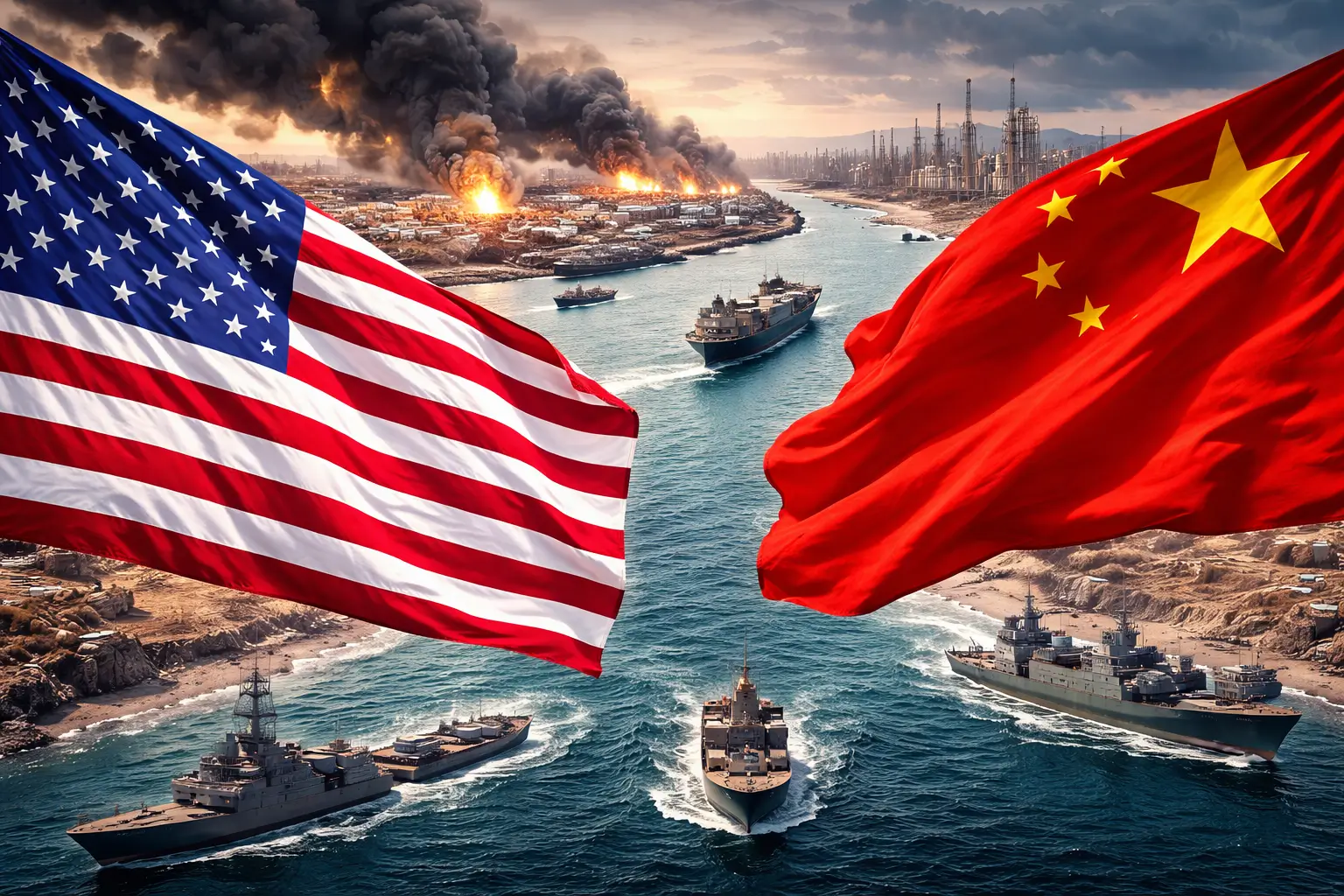
The situation worsened after U.S. President Donald Trump hiked tariffs on nearly all imported steel and aluminum to 50%, doubling rates imposed earlier. The move aims to support U.S. industry but has diverted excess global steel to Europe, further intensifying competition.
The UK currently enjoys a tariff exemption from the U.S., sparing it from the 25% surcharge imposed on others. Still, many outdated UK plants continue to struggle to stay afloat.
Earlier this year, the British government took over the British Steel plant in Scunthorpe, after its Chinese owner Jingye Group threatened to shut it down due to losses of £700,000 per day. The two blast furnaces there are the last in the UK that still produce steel from iron ore and coal.
In Wales, the UK also bailed out Tata Steel with £500 million to help the Port Talbot plant transition to electric arc furnace technology, which is cleaner and uses recycled steel.
Tata’s IJmuiden facility—one of the largest and most modern in Europe—is planning to switch to green hydrogen-based production by 2030. The plant sits on a sprawling 1,100-football-field-sized site and remains a major industrial employer in the Netherlands.
However, the transition won’t be easy. Dutch regulators have sued Tata over environmental violations, and replacing existing coke ovens with cleaner alternatives will require billions of dollars in investment and time.
According to industry experts, green hydrogen steel production is currently 30–60% more expensive than traditional methods, posing a massive financial challenge even for well-established companies.
Tata earns about 12% of its revenue from the U.S., and has managed to pass on the initial 25% tariffs to large customers like Ford, Chrysler, Caterpillar, and Duracell.
However, with tariffs now at 50%, Tata fears its products may become uncompetitive, even in quality-driven markets.