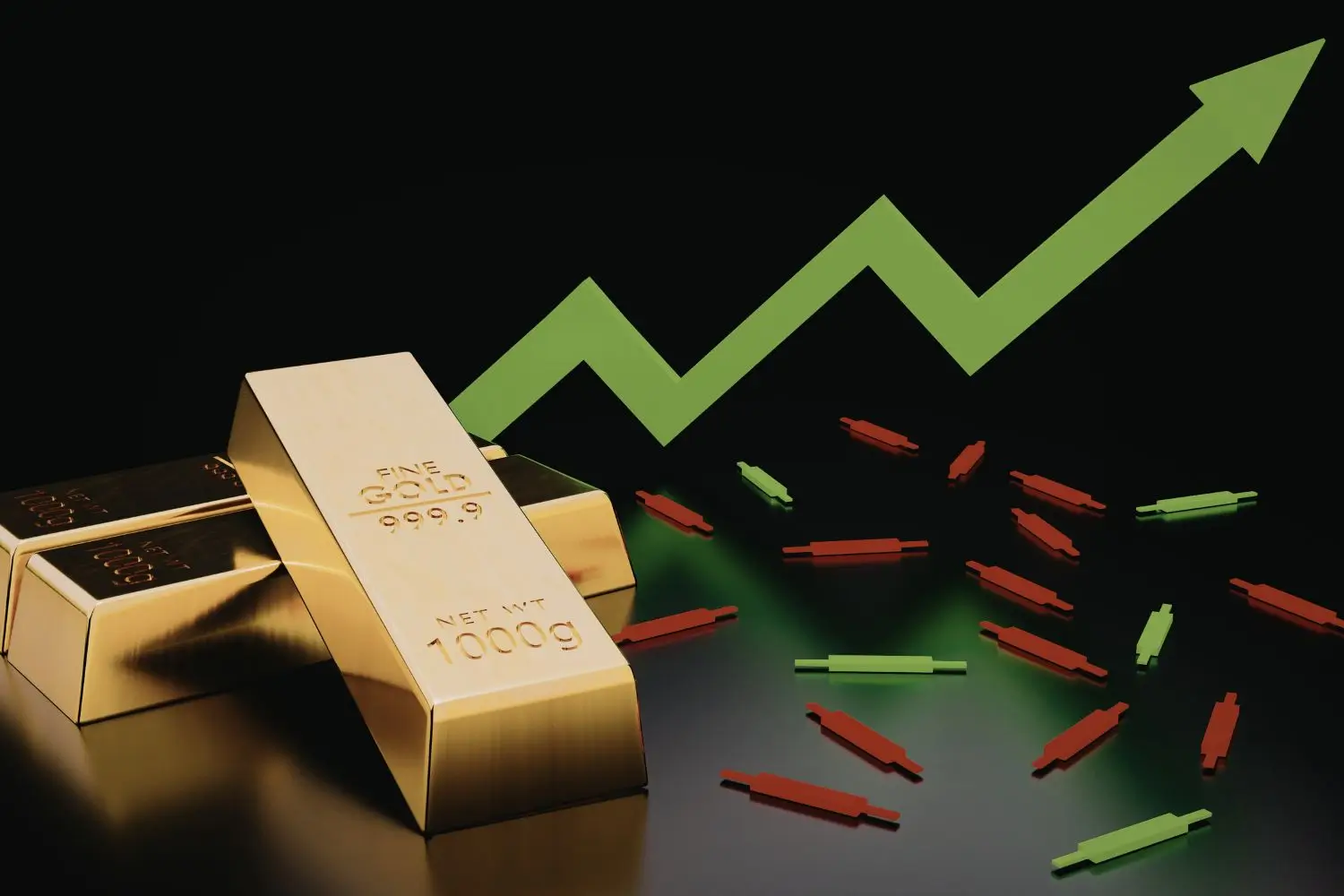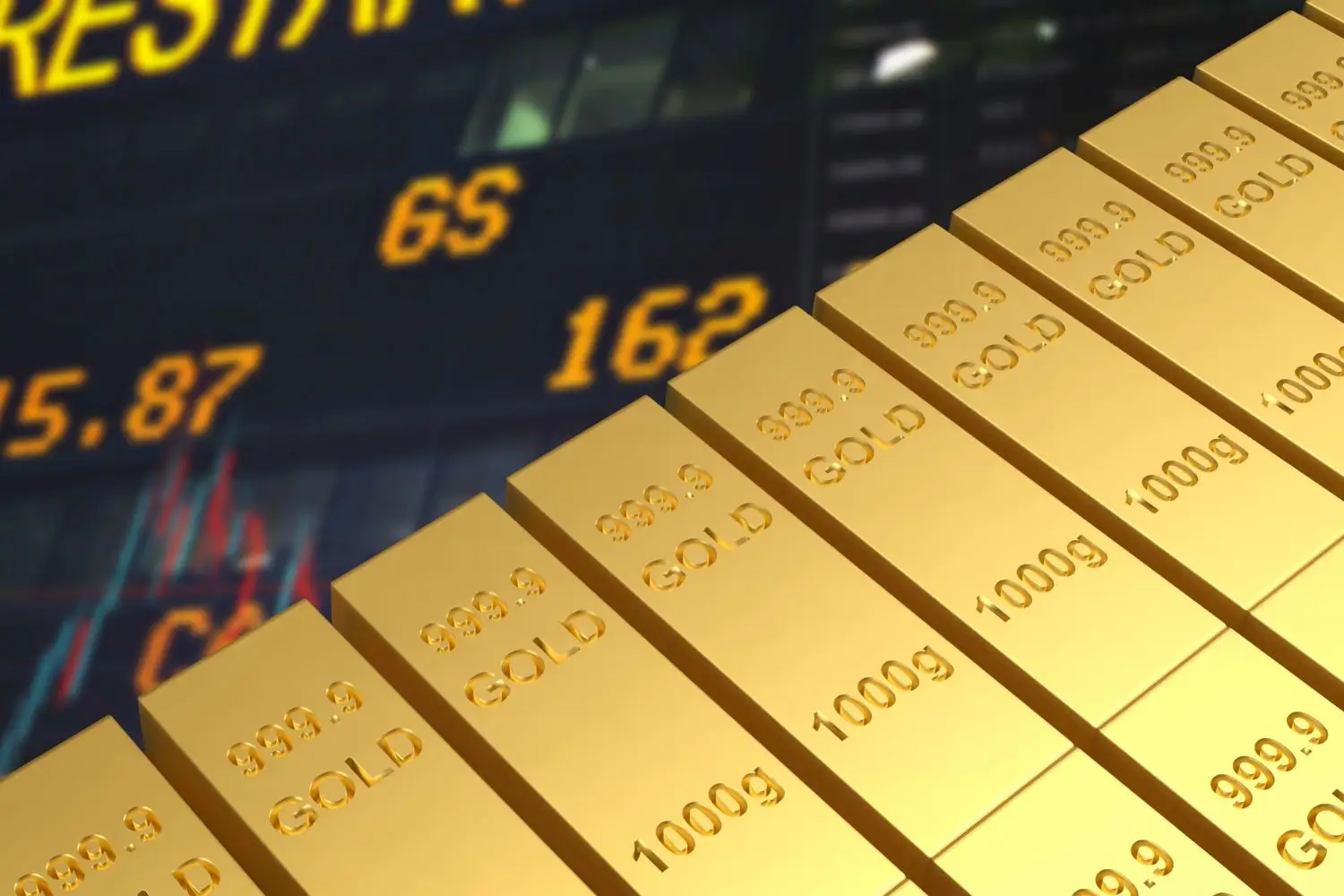
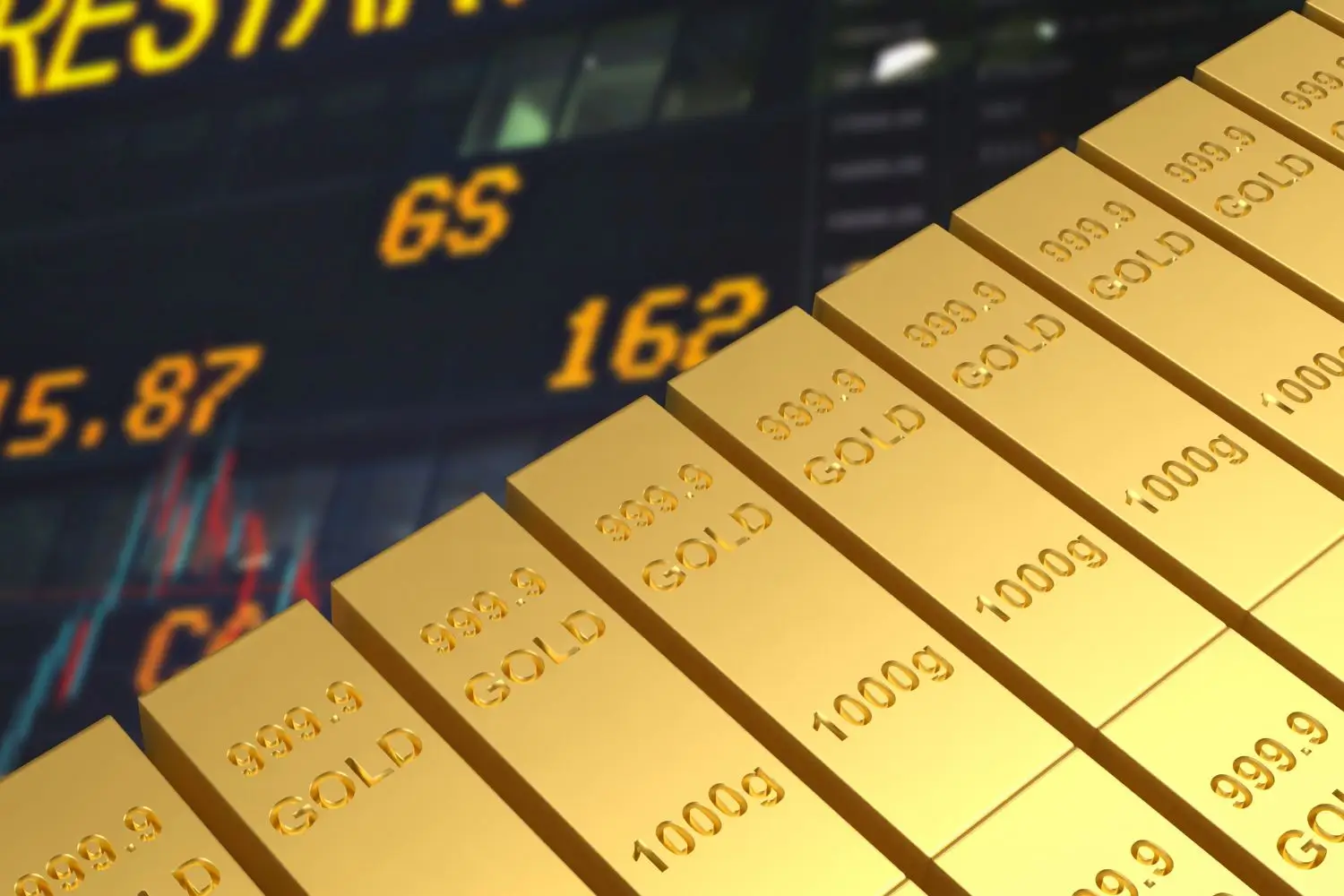
The global gold market is witnessing a powerful rebound following a sharp selloff in early February 2026. During the February 11 session in the United States (early February 12 in Asia), spot gold jumped $58 to close at $5,083 per ounce. At one point during the session, prices briefly touched $5,117 per ounce, highlighting robust buying interest.
In Asian trading on February 12, gold hovered around $5,070 per ounce, marking the fourth consecutive session above the key psychological threshold of $5,000. The sustained move above this level suggests that the precious metal may be forming a new equilibrium price range after weeks of heightened volatility.
In Vietnam, SJC gold was quoted at approximately 181 million VND per tael, reflecting elevated domestic demand and a persistent premium over global prices.
The current rally appears even more significant considering that gold recently plunged from a record high of $5,600 per ounce on January 29 to a low of $4,400 on February 2. The rapid $1,200 decline within days rattled markets and raised concerns about a potential trend reversal.
However, the swift recovery above $5,000 indicates that underlying demand remains strong. Year-to-date, gold prices are up more than 17%, reinforcing the metal’s position as one of the top-performing assets in the commodities space in 2026.
A key driver behind gold’s rebound has been the relative weakening of the U.S. dollar.
Although the January 2026 U.S. jobs report showed the economy added 130,000 new positions and the unemployment rate edged down to 4.3%, revised data revealed that total job creation in 2025 was significantly lower than initially estimated. These mixed signals suggest that while the labor market remains resilient, broader economic momentum may be moderating.
The conflicting economic data has complicated the Federal Reserve’s policy outlook. In the near term, solid labor figures have reduced expectations of immediate rate cuts. However, many financial institutions still anticipate a lower interest rate environment over the medium to long term to support economic growth.
Lower interest rates and a softer U.S. dollar typically benefit gold, as the metal does not yield interest and becomes more attractive when real yields decline.
Beyond monetary policy, central bank purchases continue to play a pivotal role in underpinning gold prices.
The People’s Bank of China (PBoC) has increased its gold reserves for three consecutive years. Despite these purchases, gold still accounts for a relatively modest share of China’s total foreign exchange reserves compared to other emerging economies. This suggests additional room for further accumulation.
According to research firms such as BCA Research, speculative inflows from Asian investors have been a major catalyst behind the recent rally. Gold-backed exchange-traded funds (ETFs) in the region have also recorded renewed inflows amid rising economic and geopolitical uncertainty.
Despite the constructive long-term outlook, analysts caution that gold could face near-term volatility.
BCA Research notes that corrections within a broader bull cycle can last weeks or even months before prices retest previous highs. If speculative flows from Asia or ETF demand slow, profit-taking could weigh on prices.
From a technical perspective, the $5,000 per ounce level has transitioned from resistance to a key support zone. Holding above this threshold would strengthen the bullish case. A decisive break below could expose gold to further downside toward $4,800 per ounce.
Gold’s long-term trajectory in 2026 is closely tied to global monetary policy and fiscal dynamics. U.S. public debt continues to rise, increasing pressure on policymakers to maintain accommodative measures to sustain growth.
In this environment, expectations for prolonged lower interest rates remain intact. Declining rates typically weaken the dollar and reduce the opportunity cost of holding gold, supporting higher prices.
Geopolitical risks also remain a significant factor. Trade disputes, including ongoing debates over U.S.-Canada tariffs, as well as broader global tensions, continue to drive safe-haven demand.
Gold has historically performed well during periods of uncertainty. While some analysts argue that safe-haven narratives may occasionally be overstated, recent price action suggests that investors still view gold as a reliable hedge against systemic risks.
Several major financial institutions maintain bullish projections for gold in 2026. Under favorable macroeconomic conditions—such as a weaker U.S. dollar, lower real interest rates, and sustained central bank demand—gold could potentially approach $6,000 per ounce.
However, the path higher is unlikely to be linear. Markets may experience alternating rallies and pullbacks before establishing a more stable long-term uptrend.
Gold’s move above $5,100 per ounce and its ability to remain above $5,000 for multiple sessions signal the formation of a new price floor. The rally has been supported by a softer U.S. dollar, expectations of lower long-term interest rates, central bank buying, and strong demand from Asian investors.
While short-term correction risks cannot be ruled out—particularly if speculative flows weaken—the broader 2026 outlook remains constructive. With prices up more than 17% year-to-date, gold continues to reinforce its role as a strategic asset in global portfolios.
Amid persistent economic uncertainty, rising public debt, and geopolitical tensions, gold appears poised to remain a central pillar of risk management strategies for investors worldwide.

.png)
 Tiếng Việt
 English