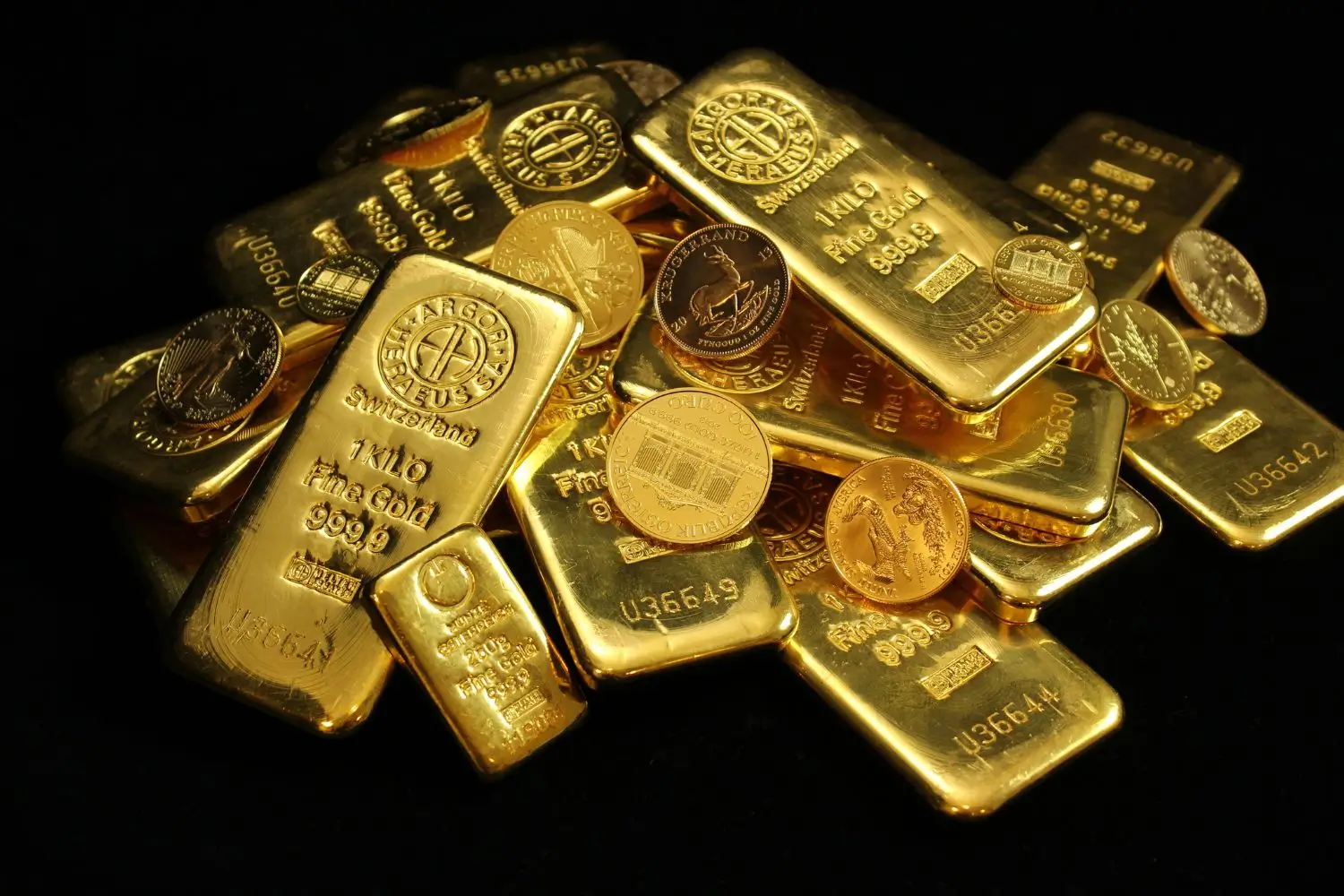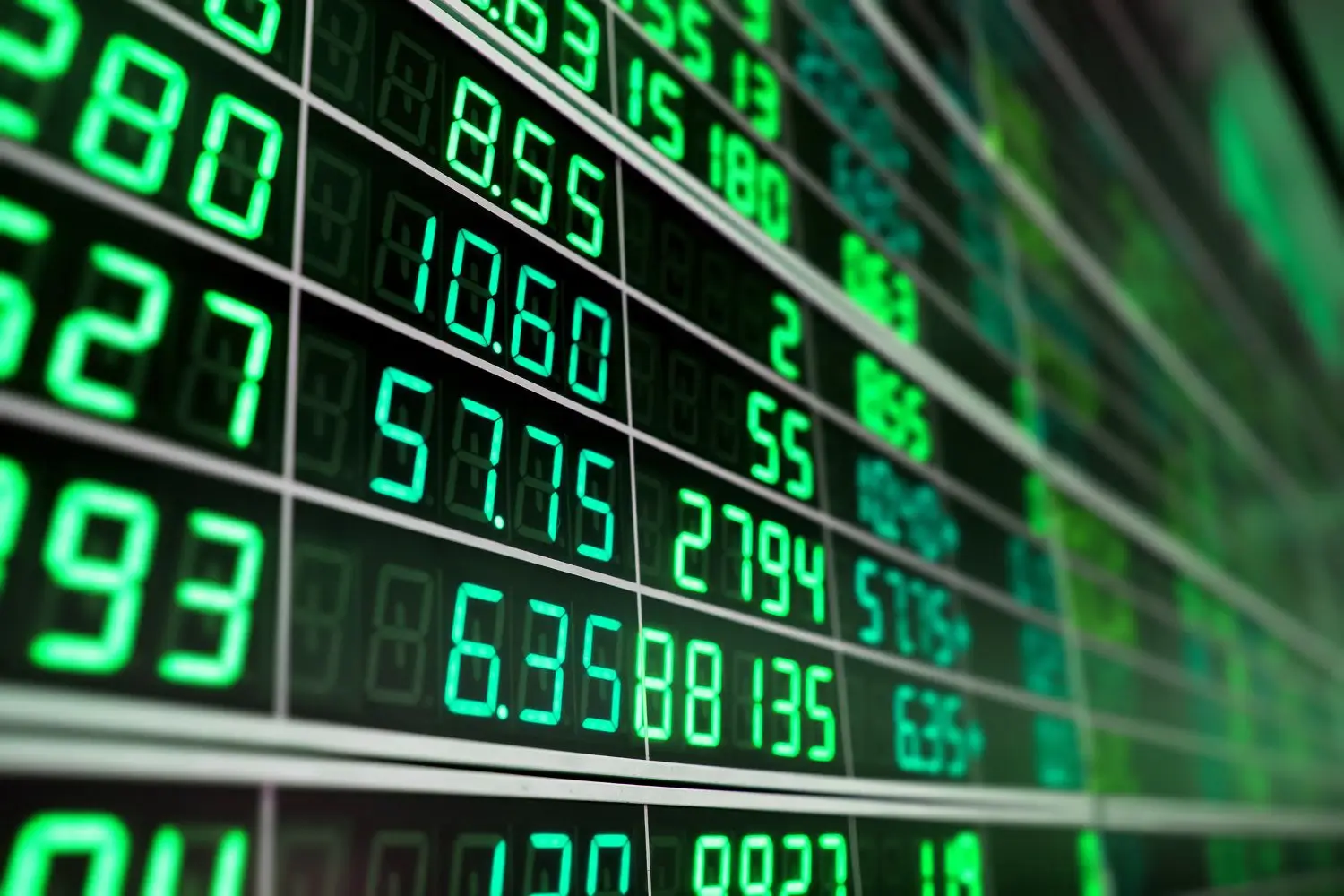
Gold prices jumped more than 7% last week — the strongest weekly gain since 2020 — as investors rushed to safe-haven assets amid U.S.–China trade tensions, expectations of a Federal Reserve rate cut, and record central bank buying. Is this a golden opportunity or a warning sign for global markets?
The global gold market just witnessed its sharpest weekly surge since 2020, as gold futures (GC=F) briefly surpassed $4,380 per ounce before easing back to around $4,260 on Friday, October 17.
According to Reuters, gold soared 7% in a single week, an extraordinary move described by analysts as “parabolic” — signaling both investor euphoria and underlying uncertainty.
“Gold has gone parabolic in a perfect storm for the yellow metal,” said Kyle Rodda, senior market analyst at Capital.com. “It’s sending a powerful message about what may be coming next.”
Markets are betting heavily that the Federal Reserve will cut interest rates in the coming week to support a slowing U.S. economy. Lower rates reduce the opportunity cost of holding non-yielding assets like gold, making the metal more attractive compared to bonds or cash.
Renewed trade frictions between the U.S. and China have rattled global markets. With fears of supply chain disruptions and economic fallout, investors are turning to gold as a safe-haven hedge against geopolitical risk.
The World Gold Council reports that global central banks have been purchasing gold at the fastest pace in more than a decade. Meanwhile, gold-backed ETFs have seen record inflows, as institutional investors diversify away from equities and the U.S. dollar.
The U.S. dollar index (DXY) has softened in recent sessions, while real yields (bond yields adjusted for inflation) have fallen — both of which tend to lift gold prices. When the dollar weakens, gold becomes cheaper for buyers using other currencies, amplifying demand.
The world’s top financial institutions are becoming increasingly bullish on gold’s long-term trajectory:
Goldman Sachs now forecasts $4,900 per ounce by the end of 2026 (up from a previous target of $4,300).
JPMorgan projects gold could reach $6,000 per ounce by 2029, driven by sustained central bank buying and potential dollar weakness.
Bank of America (BofA) reiterated its “long gold” recommendation, expecting prices to peak around $6,000 per ounce by mid-2026.
Still, analysts warn that the recent spike has pushed gold into overbought territory, with technical indicators flashing potential for a short-term correction. Should the Fed deliver a less dovish tone or U.S. economic data surprise to the upside, the metal’s momentum may pause before resuming its uptrend.
Analysts interpret gold’s meteoric rise in two distinct ways:
A warning signal: The surge could reflect deep market anxiety about future growth, inflation, or systemic financial risk. Historically, gold rallies have preceded periods of economic instability.
A speculative overreaction: Alternatively, this may represent excessive speculation, with investors chasing momentum as other assets (like tech stocks) reach saturation.
As Kyle Rodda notes:
“Gold may be signaling either a major geopolitical shock or an overheating global economy — or, at the very least, it’s an omen of speculative excess that could unwind suddenly.”
Avoid herd mentality: Rapid price gains often attract short-term traders, increasing volatility and the risk of sharp pullbacks.
Keep gold as part of a diversified portfolio: Most experts recommend allocating 5–10% to gold for long-term risk management.
Watch key macro indicators: The Fed’s policy decisions, U.S. inflation data, and dollar strength remain the biggest short-term drivers of gold prices.
For investors in emerging markets such as Vietnam or India, gold prices typically move in line with the global trend — but domestic premiums and local demand can create timing mismatches. Monitoring both local and global dynamics is crucial.
Gold has surged nearly 60% year-to-date, its strongest annual performance in modern history. The move is underpinned by real demand, not just speculation — driven by central bank accumulation, policy easing, and persistent inflation fears.
Yet, every parabolic rally carries the risk of a sharp reversal. If monetary tightening resumes or geopolitical tensions ease, speculative positions could unwind quickly.
For now, gold’s role as the “mirror of market fear” remains intact. Whether this rally represents a sustainable revaluation or a temporary blow-off top will depend on how central banks and global economies navigate the months ahead.
Gold’s explosive rise underscores the world’s growing unease about economic stability. With a weaker dollar, looming rate cuts, and rising geopolitical uncertainty, the yellow metal has re-emerged as a cornerstone of portfolio protection.
But caution is warranted: history shows that when everyone rushes into gold, volatility soon follows. Smart investors will balance exposure — embracing gold’s long-term value while preparing for short-term turbulence.
1. Why did gold prices surge so sharply last week?
→ Because of multiple factors: expectations of a Fed rate cut, renewed U.S.–China trade tensions, and record central bank demand that boosted gold’s safe-haven appeal.
2. How high can gold go in the next few years?
→ Goldman Sachs and Bank of America project between $4,900 and $6,000 per ounce by 2026–2029, assuming continued policy easing and geopolitical uncertainty.
3. Is now a good time to buy gold?
→ Gold remains a solid long-term hedge, but prices have risen sharply in a short period. Investors should accumulate gradually rather than chase the rally.
4. What does the gold rally mean for emerging markets like Vietnam?
→ Domestic gold prices usually mirror global moves but may fluctuate differently due to taxes, import restrictions, or local demand. Investors should monitor global trends closely.

.jpg)
.png)
 Tiếng Việt
 English