Gold prices surge beyond $4,000 an ounce for the first time ever as global investors seek safety amid rising uncertainty and expectations of further Fed rate cuts.
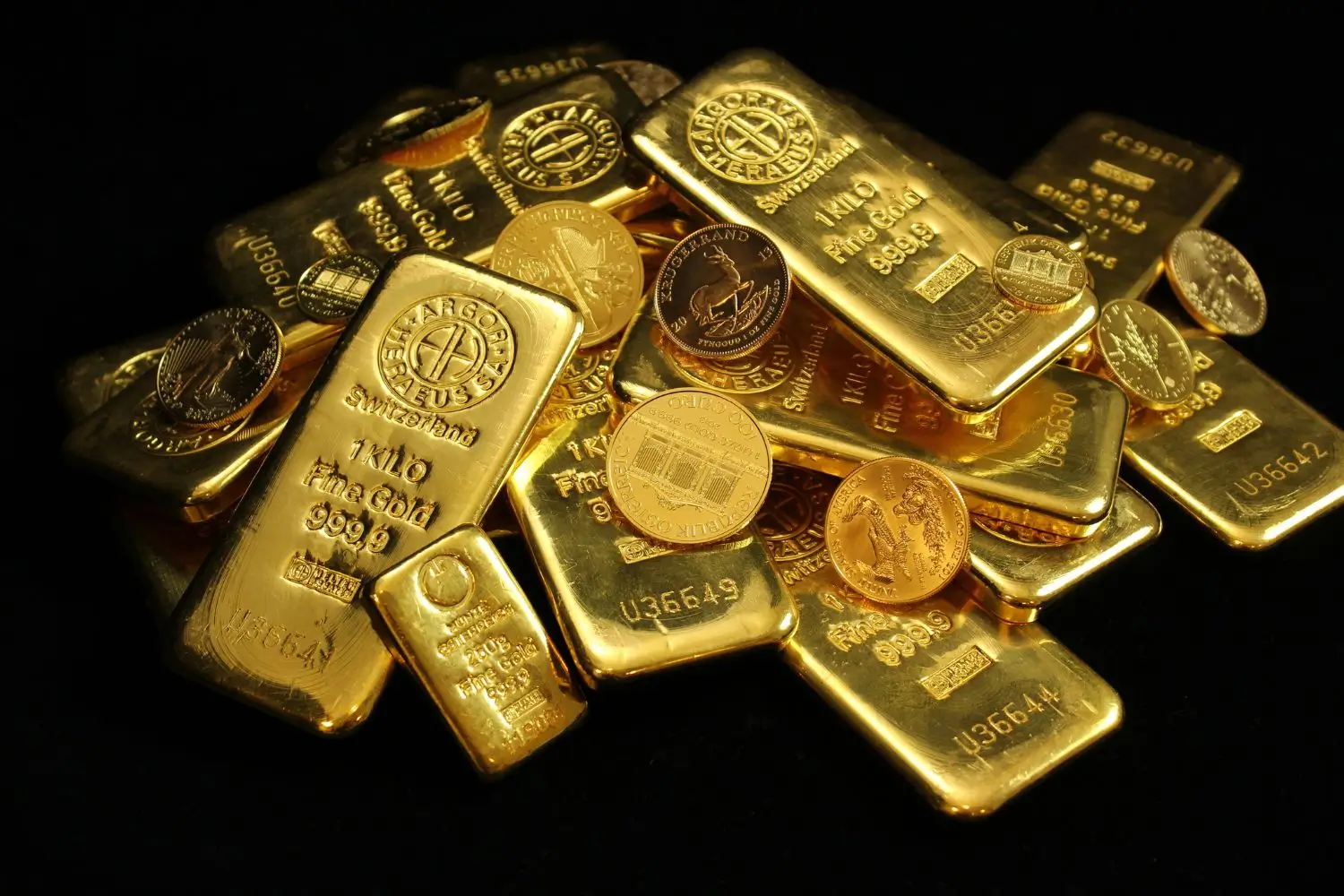
The global financial markets witnessed a historic milestone on October 8 as gold prices soared past $4,000 per ounce, setting a new all-time high.
According to Reuters, spot gold rose 0.9% to $4,017.16 per ounce as of 04:42 GMT, while U.S. gold futures for December delivery gained a similar 0.9% to $4,040 per ounce.
This marks an extraordinary rally for the precious metal, which has climbed 53% year-to-date in 2025, following a 27% rise in 2024. Gold’s strength underscores its status as a safe-haven asset in times of political and economic turmoil.
As fears over global growth, geopolitical tensions, and a potential U.S. recession intensify, investors are increasingly betting that the Federal Reserve will extend its interest rate-cutting cycle through the end of the year.
The latest surge in gold prices is driven by a perfect storm of supportive factors, ranging from monetary policy to geopolitics.
Expectations of continued Fed rate cuts: Lower interest rates reduce the opportunity cost of holding gold, which yields no interest.
Global political and economic instability: Unresolved conflicts in the Middle East and Ukraine, coupled with political turmoil in Japan and France, have reinforced demand for safe assets.
Central bank diversification: Many emerging markets are increasing their gold reserves to reduce dependency on the U.S. dollar.
A weakening dollar: The dollar’s decline makes gold cheaper and more attractive to investors using other currencies.
Independent metals trader Tai Wong commented:
“There’s so much confidence in gold right now that investors are already looking toward the next big number — $5,000 an ounce — especially as the Fed seems poised to keep cutting rates.”
Adding to market anxiety is the ongoing U.S. government shutdown, which entered its seventh day on Tuesday. The budget standoff has delayed the release of crucial economic data, forcing investors to rely on secondary sources to gauge the economy’s health and the Fed’s policy direction.
Markets currently price in a 25-basis-point cut at the upcoming Fed meeting, with another cut expected in December.
According to Tim Waterer, Chief Market Analyst at KCM Trade:
“Periods of rising uncertainty tend to boost gold prices, and we’re seeing that pattern again. With lower rates and a prolonged shutdown, gold still has strong tailwinds — though profit-taking around the $4,000 mark could trigger short-term pullbacks.”
Beyond fundamentals, a wave of “Fear of Missing Out” (FOMO) is amplifying the rally. Many investors who hesitated earlier are now rushing in, worried they might miss another leg higher.
Kyle Rodda, market analyst at Capital.com, explained:
“The latest surge was sparked in part by political developments in Japan, including Sanae Takaichi’s election and expectations of expanded fiscal spending. This ties into the broader ‘run-it-hot’ theme — where policymakers accept higher inflation in exchange for growth.”
With record global debt levels, fiscal stimulus, and a dovish monetary backdrop, gold is increasingly seen as a hedge against long-term instability.
Major financial institutions, including Goldman Sachs and UBS, have raised their gold price forecasts for 2026, expecting the metal to average between $4,200 and $4,500 per ounce.
The bullish outlook is supported by:
Ongoing ETF inflows into gold-backed funds.
Sustained central bank purchases.
A prolonged Fed easing cycle.
Persistent geopolitical uncertainty.
Meanwhile, other precious metals have joined the rally:
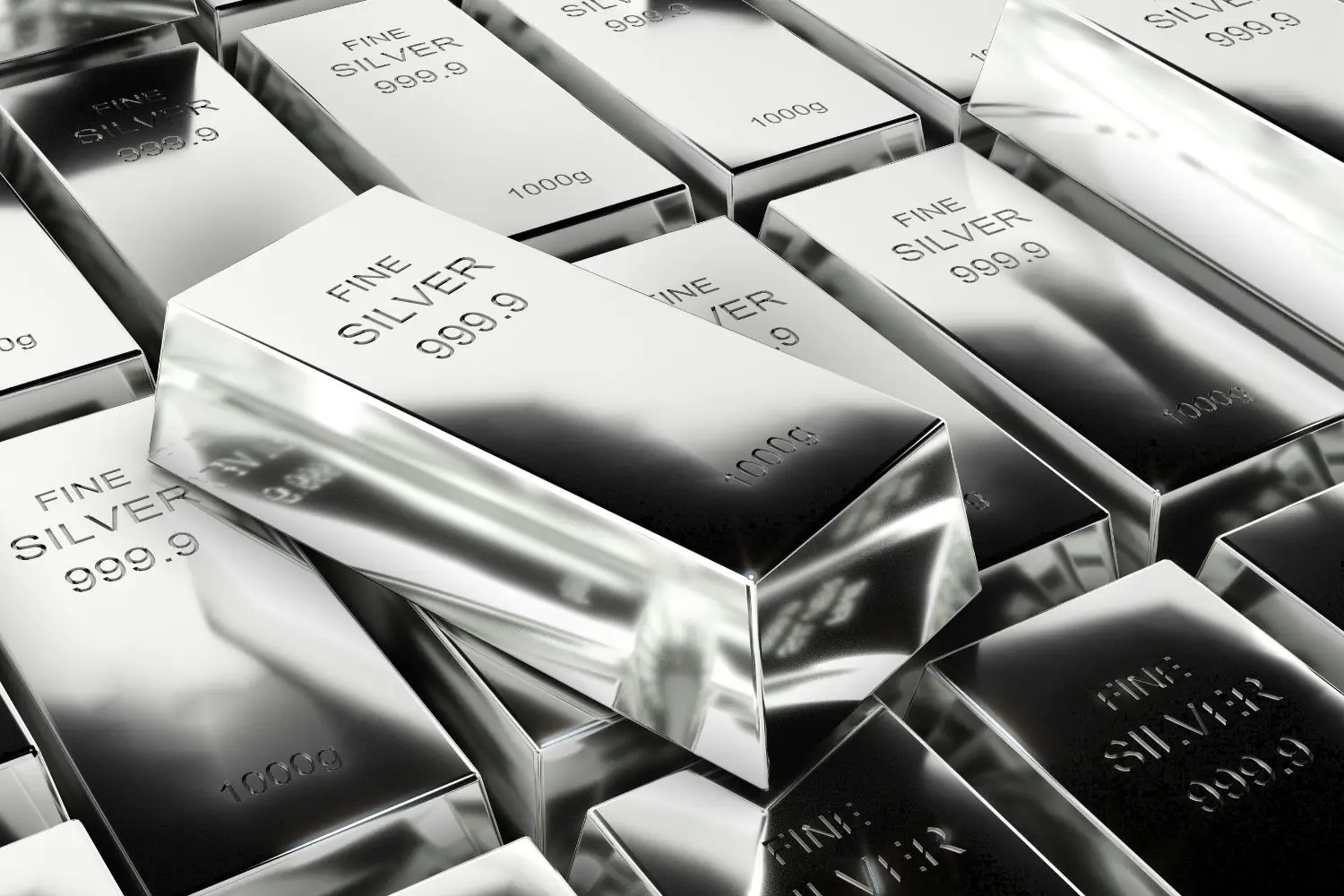
Silver rose 1.3% to $48.44 per ounce.
Platinum gained 2.4% to $1,657.33.
Palladium climbed 2.3% to $1,368.68.
The strength across the precious metals complex highlights a broader investor shift toward real assets in an era of declining yields and rising fiscal risks.
Gold’s record-breaking move above $4,000 is not just a technical milestone — it’s a symbol of investor psychology in 2025. When traditional markets wobble and policymakers face constraints, gold often emerges as a barometer of fear, confidence, and global trust.
If the Fed stays dovish and uncertainty persists, analysts believe gold’s upward momentum is far from over.
1. Why did gold surpass $4,000 per ounce in 2025?
A mix of Fed rate cuts, economic uncertainty, a weaker U.S. dollar, and strong central bank demand fueled gold’s record-breaking rally.
2. Could gold reach $5,000 in the near future?
Yes. If the Fed continues easing and geopolitical tensions remain unresolved, analysts see $5,000 as the next key milestone.
3. How does the U.S. government shutdown impact gold?
The shutdown delays critical data releases, increasing uncertainty — a condition that typically drives safe-haven demand for gold.
4. Should investors buy gold at these levels?
While the long-term outlook remains positive, investors should be cautious of short-term corrections and consider gradual accumulation rather than chasing prices.

.jpg)
.png)
 Tiếng Việt
 English