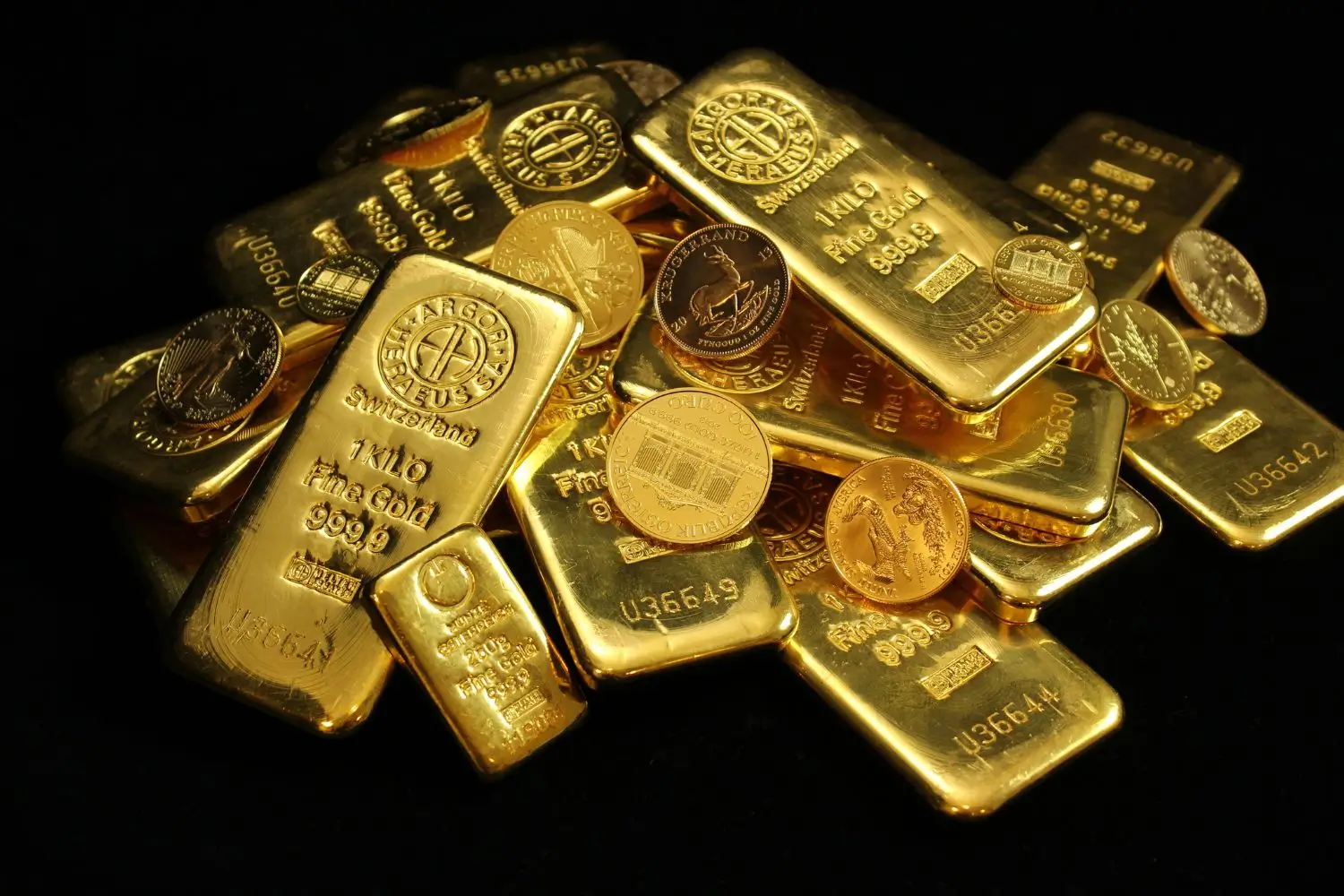
 Gold prices moved modestly higher during Wednesday’s Asian session, recovering part of the previous day’s losses driven by profit-taking. Yet the broader picture suggests the precious metal remains caught between competing forces: fresh U.S. trade tariffs, renewed U.S.–Iran nuclear negotiations, and expectations that U.S. interest rates will stay elevated for longer.
As of 09:08 a.m. Vietnam time, spot gold rose 0.8% to $5,184.55 per ounce, while U.S. gold futures gained 0.5% to $5,203.10 per ounce.
The rebound follows a 1.6% decline on Tuesday, which snapped a four-session winning streak and reflected investor caution after gold’s recent surge.
The administration of President Donald Trump officially implemented a temporary 10% global import tariff on Tuesday, with plans underway to potentially increase the rate to 15%.
The move came after the Supreme Court of the United States struck down a previous broad tariff framework introduced under emergency powers. In response, Washington reinstated tariffs under alternative legal authority.
This development has injected fresh uncertainty into global trade flows and inflation expectations, forcing investors to reassess economic outlooks.
Trade tensions typically boost demand for gold as a defensive asset. However, higher tariffs can also contribute to inflationary pressure, potentially compelling the Federal Reserve to maintain restrictive monetary policy for longer.
That tension—between safe-haven buying and higher-for-longer interest rates—is currently capping gold’s upside momentum.
Geopolitical concerns remain another key driver for the gold market.
The United States and Iran are scheduled to hold a third round of talks in Geneva on Thursday concerning Tehran’s nuclear program. Investors are closely monitoring developments, as any breakdown in negotiations could heighten regional instability.
Should diplomatic efforts falter, safe-haven flows into gold could intensify. Conversely, signs of progress may ease geopolitical premiums embedded in commodity markets.
For now, uncertainty dominates, reinforcing gold’s role as a hedge against political volatility.
While geopolitical risk and trade friction offer support, monetary policy expectations are limiting gains.
Two officials from the Federal Reserve indicated on Tuesday that there is little appetite for a near-term shift in policy stance. Their comments reinforced the view that U.S. interest rates may remain elevated for an extended period.
Higher interest rates increase the opportunity cost of holding non-yielding assets such as gold. As expectations for rate cuts are pushed further out, bullion tends to face headwinds.
The latest signals suggest that any aggressive rally in gold could encounter resistance unless macroeconomic data significantly weakens.
The U.S. dollar has also weighed on precious metals.
The US Dollar Index remained broadly steady after rising 0.1% in the previous session, extending its recent upward trend.
A stronger dollar makes gold—priced in USD—more expensive for holders of other currencies, dampening international demand.
The combination of a resilient dollar and firm interest rate expectations creates a challenging backdrop for sustained gold gains.
Beyond gold, other precious metals also posted gains during the Asian session:
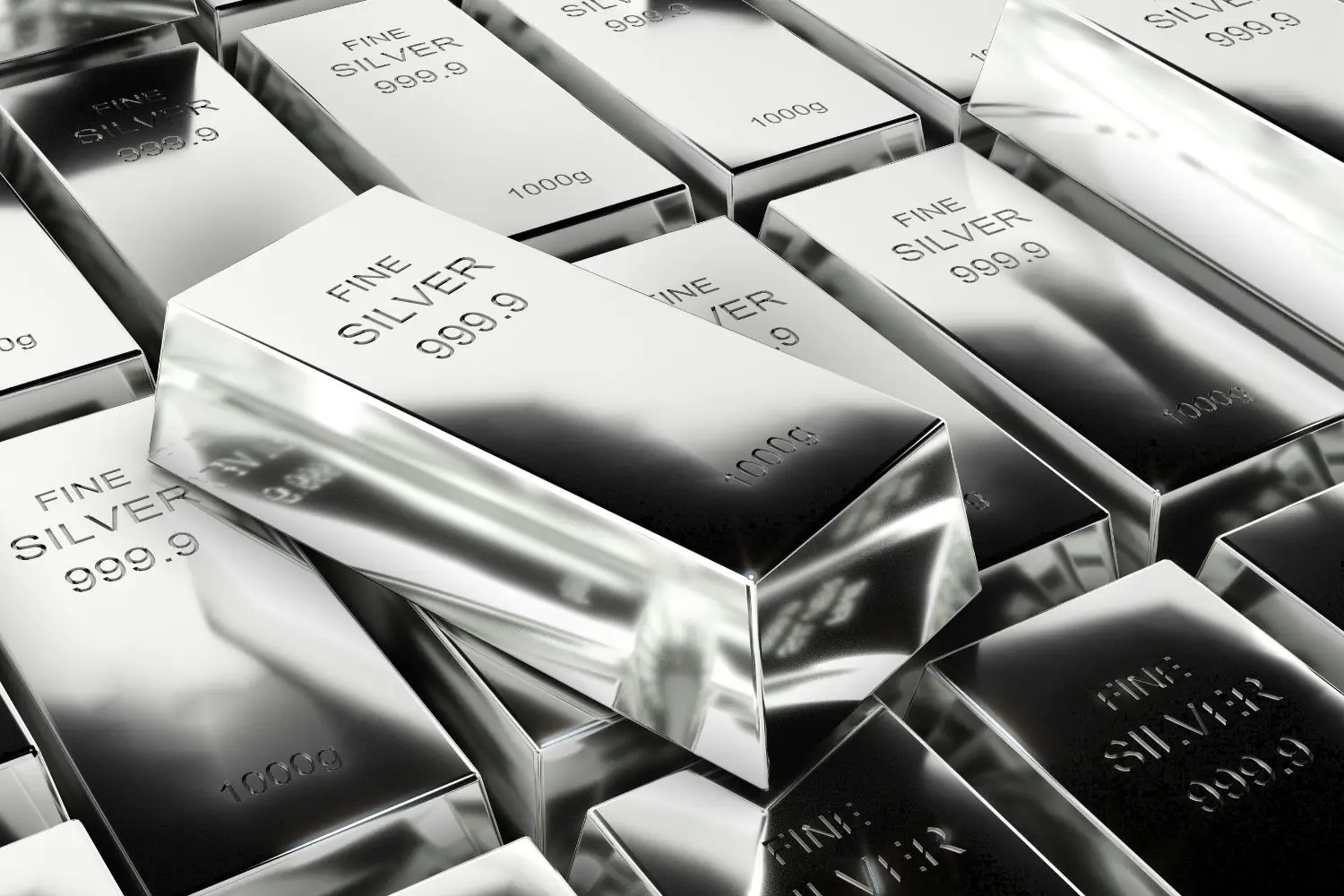
Silver climbed 1.6% to $88.59 per ounce.
Platinum surged more than 2.3% to $2,224.60 per ounce.
The stronger performance in silver and platinum suggests industrial demand expectations remain stable, even amid broader macro uncertainty.
Investors are currently focused on three major catalysts:
The outcome of the U.S.–Iran talks in Geneva.
Further policy guidance from the Federal Reserve.
The trajectory of the U.S. dollar amid trade uncertainty.
Any escalation in trade tensions or geopolitical risk could reignite bullish momentum for gold. On the other hand, continued hawkish messaging from the Fed combined with dollar strength may keep prices range-bound.
The recent pullback appears largely technical, reflecting profit-taking after a multi-session rally. Wednesday’s rebound indicates underlying demand remains intact, but conviction is cautious.
Gold is currently navigating a delicate equilibrium:
Trade uncertainty and geopolitical risk support safe-haven flows.
Elevated interest rates and a firm dollar limit upside potential.
As a result, near-term price action may remain headline-driven, with volatility persisting as markets react to political and economic developments.
Gold prices today reflect a market balancing risk against restraint. New U.S. tariffs and U.S.–Iran negotiations provide a foundation for defensive positioning, while expectations of prolonged high interest rates and dollar strength temper bullish enthusiasm.
Until clearer signals emerge from policymakers and diplomats, gold is likely to trade within a sensitive range—where each data release, policy speech, or geopolitical headline has the potential to shape the next decisive move.

.jpg)

.png)
 Tiếng Việt
 English