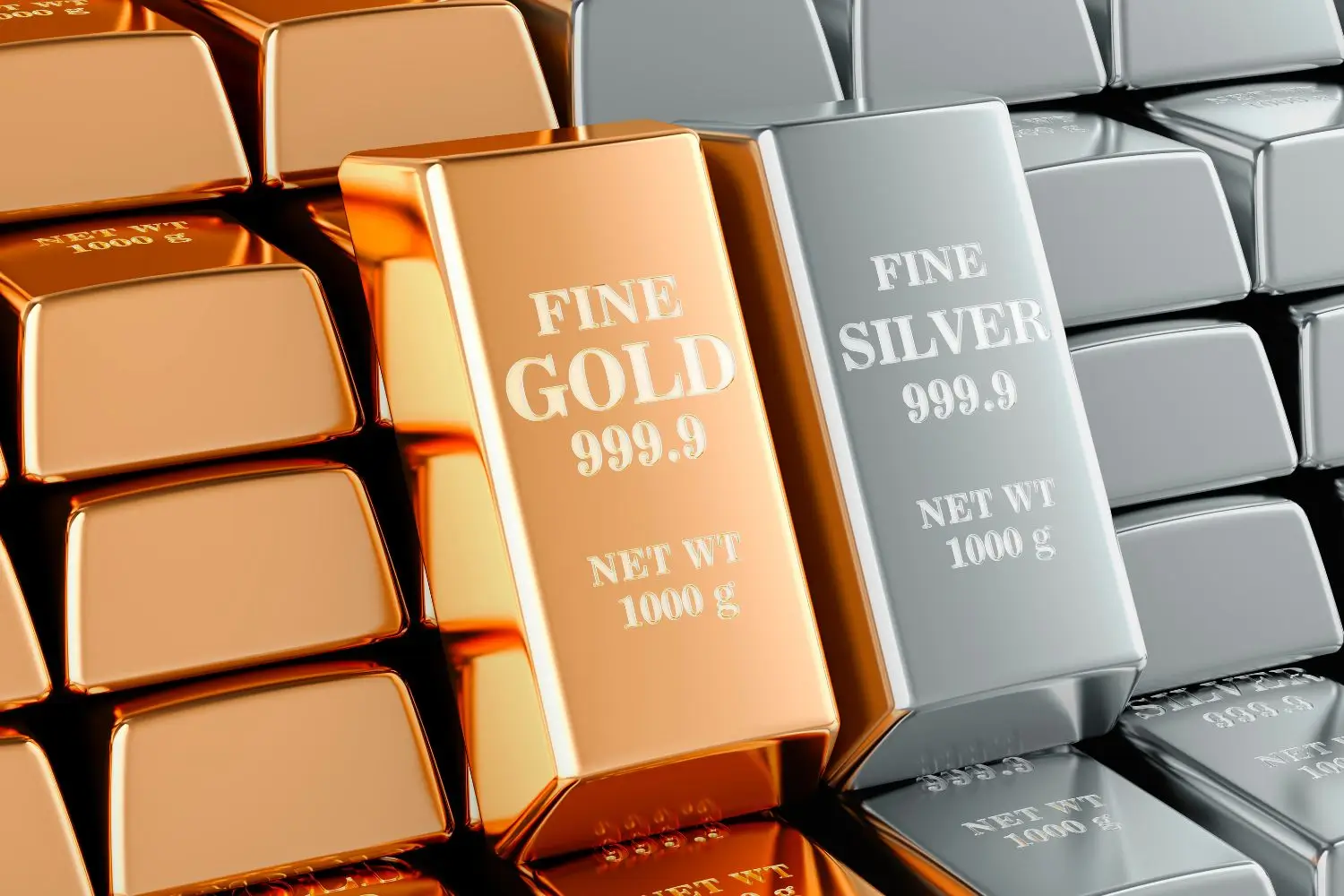
Global precious metals markets witnessed historic moves on January 23, 2026, as silver surged above $100 an ounce for the first time ever, while gold extended its rally, approaching the psychologically critical $5,000 level. The sharp gains underscore a powerful shift in investor sentiment toward safe-haven assets amid escalating geopolitical risks and growing expectations that the U.S. Federal Reserve will begin easing monetary policy later this year.
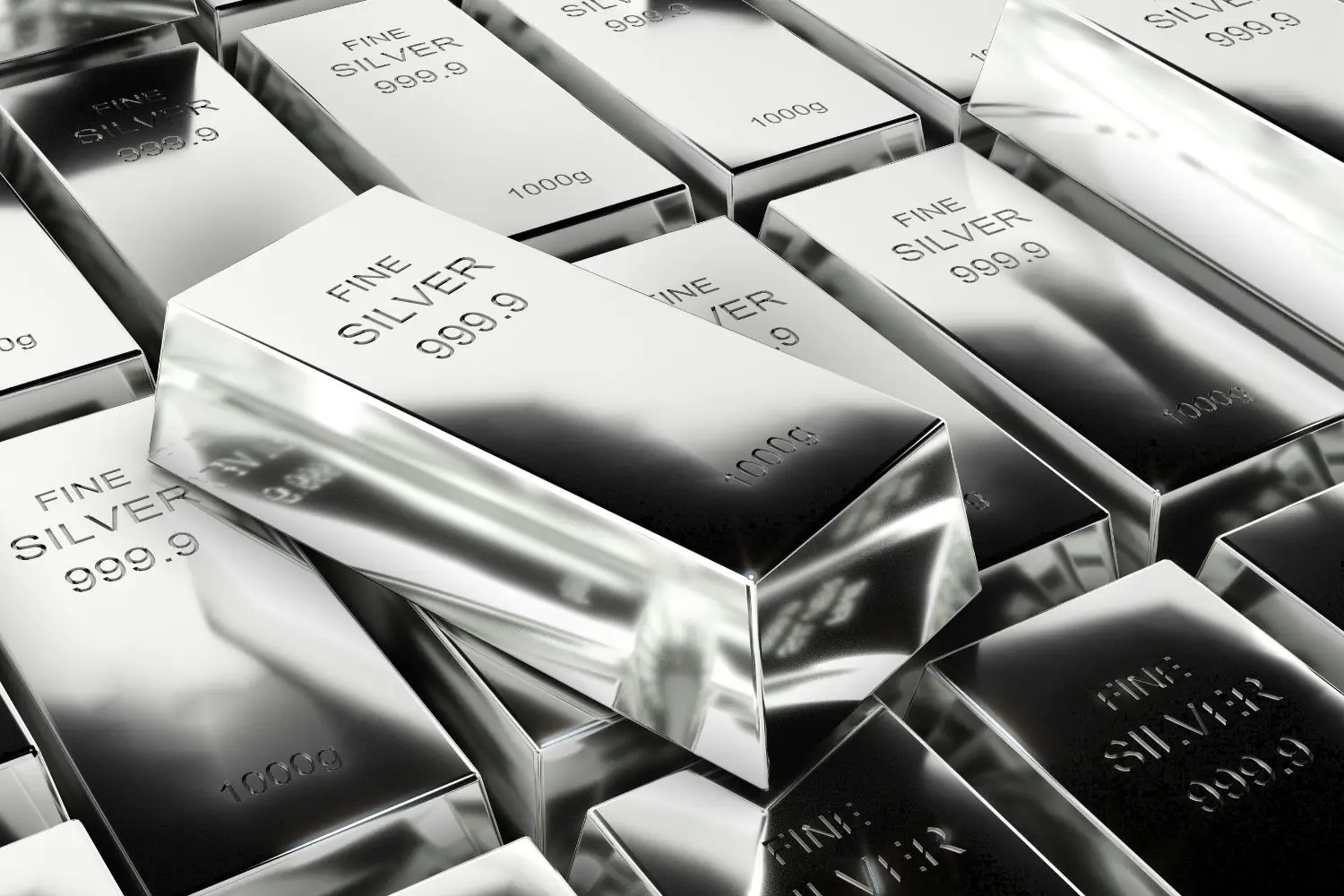
Spot silver jumped 4.5% to $100.49 per ounce, marking an unprecedented milestone in the metal’s long history. Long considered a secondary alternative to gold, silver has increasingly drawn investor attention as both a store of value and a critical industrial metal.
“Silver is likely to continue benefiting from the same forces that are supporting investment demand for gold,” said Philip Newman, Managing Director at Metals Focus. He added that additional support is coming from concerns over tariffs and persistently tight physical liquidity in the London market.
Silver prices have now more than tripled over the past year, fueled by prolonged difficulties in expanding refining capacity and a structural supply deficit that has left the market particularly vulnerable to geopolitical shocks.
According to Tai Wong, an independent metals trader, the rally reflects sustained speculative and investment-driven buying. However, he cautioned that investors will closely watch whether silver can hold above the $100 level into the close, or if short-term profit-taking emerges after such a rapid ascent.
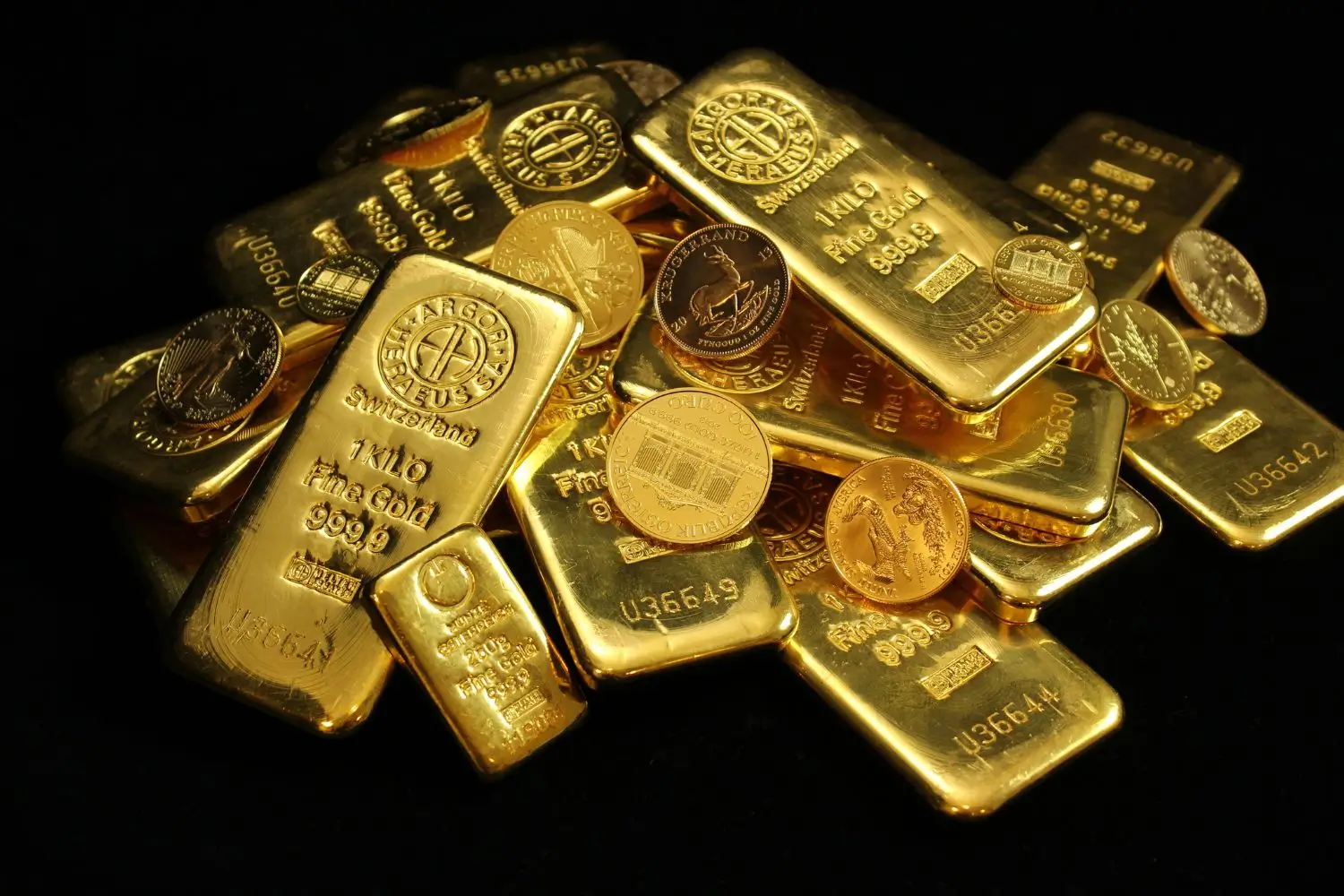
Alongside silver’s surge, spot gold rose 0.8% to $4,976.49 per ounce, after briefly touching a record high of $4,988.17 earlier in the session. U.S. gold futures for February delivery climbed 1.3% to $4,978.60 per ounce.
Gold’s approach toward the $5,000 mark represents a defining moment for the precious metals market, signaling a profound shift in how investors perceive gold’s role in portfolio construction.
“Gold’s function as both a safe-haven asset and a portfolio diversification tool in today’s uncertain economic and political environment is making it indispensable in strategic allocations,” Wong noted. He emphasized that the current rally is not merely a short-term phenomenon, but rather a reflection of fundamental structural changes in global financial markets.
Since the start of 2026, demand for gold has been bolstered by rising tensions between the U.S. and NATO over Greenland, growing concerns about the Federal Reserve’s independence, and persistent uncertainty surrounding global trade and tariff policies.
Another key driver behind the rally in gold and silver is the increasingly widespread belief that the Federal Reserve will soon pivot toward monetary easing. While the Fed is expected to keep interest rates unchanged at its January 27–28 meeting, markets are pricing in two rate cuts in the second half of 2026.
As non-yielding assets, gold and silver tend to perform well in low-interest-rate environments, when the opportunity cost of holding them declines. Against this backdrop, capital flows have increasingly shifted away from riskier assets toward defensive stores of value.
Ongoing central bank purchases have remained a crucial pillar underpinning gold prices. At the same time, a broader trend toward diversifying reserves away from the U.S. dollar—particularly among emerging market economies—has reinforced gold’s strategic importance in the global financial system.
Over the past year, gold has successively broken through major milestones, including $3,000 and $4,000 per ounce, highlighting both the pace and the durability of its upward trajectory.
The rally has not been limited to gold and silver. Platinum surged to a record high of $2,749.2 per ounce, before easing slightly to around $2,735, still up nearly 4% on the day.
According to HSBC, platinum is attracting increased investor interest as a relatively cheaper alternative to gold. The bank forecasts that structural deficits in the platinum market will widen to 1.2 million ounces this year, further supporting prices.
Meanwhile, palladium climbed 4.3% to $2,002.22 per ounce, underscoring broad-based strength across the precious metals complex.
Silver’s historic break above $100 per ounce and gold’s advance toward $5,000 mark more than symbolic milestones. They reflect a deep and sustained shift in global capital flows, driven by geopolitical uncertainty, expectations of U.S. rate cuts, and a gradual move away from dollar dependence. As these forces continue to shape investor behavior, precious metals are increasingly positioning themselves at the core of defensive and long-term investment strategies worldwide.

.jpg)
.png)
 Tiếng Việt
 English