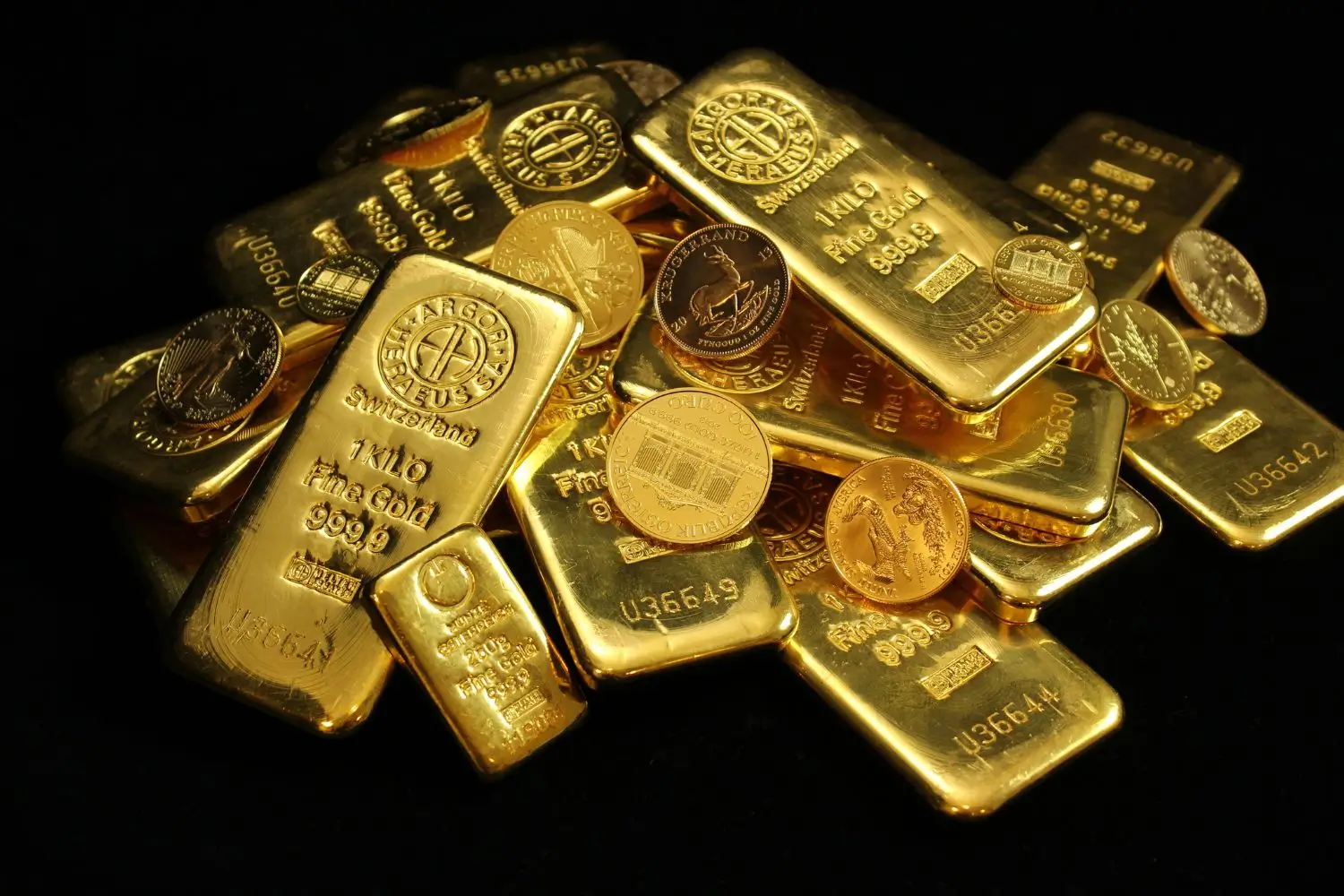
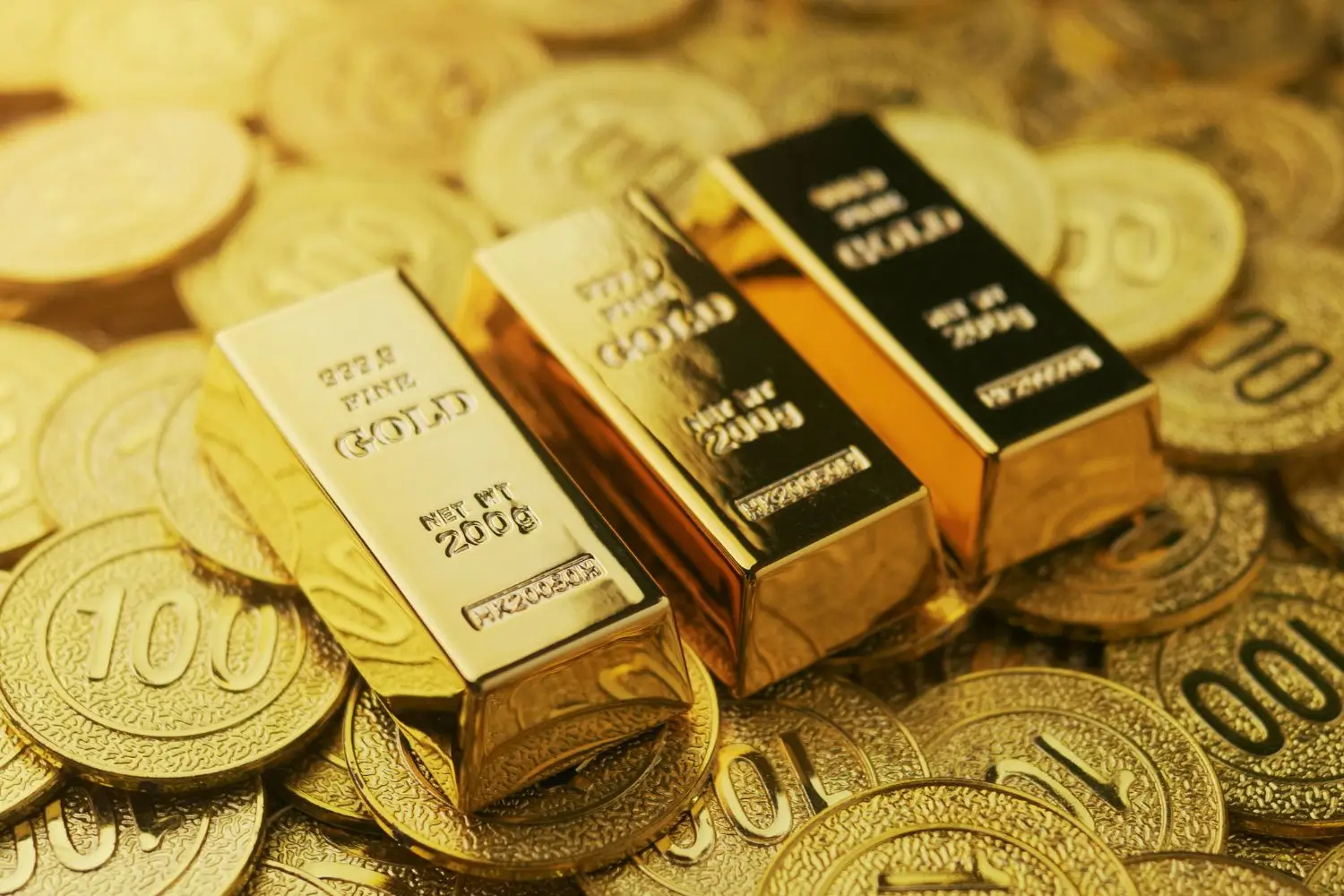
 Gold markets delivered a striking contrast on February 24 (the 9th day of the Lunar New Year). While international gold prices experienced sharp swings and briefly climbed above $5,200 per ounce, Vietnam’s domestic gold market remained largely unchanged.
With just one day to go before God of Wealth Day — traditionally a peak buying season for gold — local prices appear unusually calm. Instead of rallying aggressively, the domestic market seems to be “holding its breath,” waiting for clearer direction.
On the morning of February 24, Saigon Jewelry Company (SJC) listed SJC gold bars at VND 181.6 million per tael (buying) and VND 184.6 million per tael (selling), unchanged from the previous session.
Meanwhile, 9999 plain gold rings and jewelry were quoted around VND 181.1–184.1 million per tael.
Notably, several major retailers — including PNJ, Mi Hong, Bao Tin Minh Chau, and Phu Quy — priced plain gold rings at levels nearly identical to SJC gold bars. Under normal circumstances, gold rings trade at a discount to branded gold bars, making this parity unusual.
Reports of limited SJC gold bar availability have pushed many buyers toward alternative products such as plain gold rings and lucky gold charms.
As a result, 99.99% gold products have been bid up to historically high levels, reflecting strong seasonal demand ahead of God of Wealth Day.
While Vietnam’s market stayed flat, global gold prices moved dramatically overnight.
Spot gold briefly surged above $5.240 per ounce before retreating toward $5,146, marking an intraday swing of nearly $100 — a significant move even by recent standards.
By 9:15 a.m. (Vietnam time), gold was trading around $5,171 per ounce, still slightly higher than the previous session.
Converted at the current exchange rate, global gold equates to roughly VND 164 million per tael — substantially lower than domestic SJC prices. The persistent premium highlights the structural divergence between local and international markets.
Renewed uncertainty surrounding U.S. trade policy has unsettled global markets. Following developments involving the Supreme Court of the United States, the U.S. administration introduced additional tariff measures, reigniting concerns over global trade stability.
In periods of trade friction, gold typically attracts safe-haven flows.
Tensions between Washington and Tehran continue to simmer amid stalled diplomatic efforts. Any escalation in the Middle East could trigger broader instability, prompting investors to seek protection in precious metals.
Gold’s appeal as a hedge against geopolitical shocks remains intact.
Recent U.S. economic indicators suggest moderating growth, strengthening expectations that the Federal Reserve could pursue further monetary easing.
Lower interest rates reduce the opportunity cost of holding non-yielding assets like gold, providing additional support for bullion prices.
Major financial institutions remain broadly constructive on gold’s long-term outlook.
Swiss investment bank UBS recently projected that gold could reach $6,200 per ounce by mid-2026, citing sustained central bank demand, high U.S. public debt levels, easing monetary policy, and persistent geopolitical risk.
Meanwhile, Jen Bawden, CEO of Bawden Capital, suggested that a broader Middle East conflict could propel gold toward $5,500 per ounce in the nearer term.
These forecasts reinforce the view that gold’s structural bull trend remains intact, even if short-term volatility intensifies.
The domestic market’s relative calm does not imply weakness but rather reflects structural dynamics:
Local pricing is heavily influenced by supply constraints, particularly for SJC gold bars.
The wide premium over global prices limits immediate upside unless policy adjustments occur.
Many buyers may have already accumulated gold earlier in anticipation of God of Wealth Day, reducing last-minute buying pressure.
In short, the market appears balanced — but delicately so. Any external shock could quickly disrupt this equilibrium.
The sharp swings in global prices highlight elevated short-term risk. However, broader macro factors continue to support gold’s strategic appeal:
Rising U.S. debt levels
Prospects of looser monetary policy
Persistent geopolitical uncertainty
Investors should distinguish between short-term volatility and long-term structural trends. Frequent price fluctuations may become the norm as markets react swiftly to geopolitical and economic headlines.
Gold prices on February 24 reveal a tale of two markets: global bullion surging past $5,200 per ounce, while Vietnam’s domestic prices remain steady ahead of God of Wealth Day.
The current calm may represent a temporary pause rather than a lasting equilibrium. Should geopolitical or trade tensions escalate further, gold could resume its upward trajectory — potentially testing $5,500 or even $6,200 in the months ahead.
The key question is no longer whether gold will move, but how powerful the next wave will be.

.jpg)

.png)
 Tiếng Việt
 English