.png)
 Tiếng Việt
 English


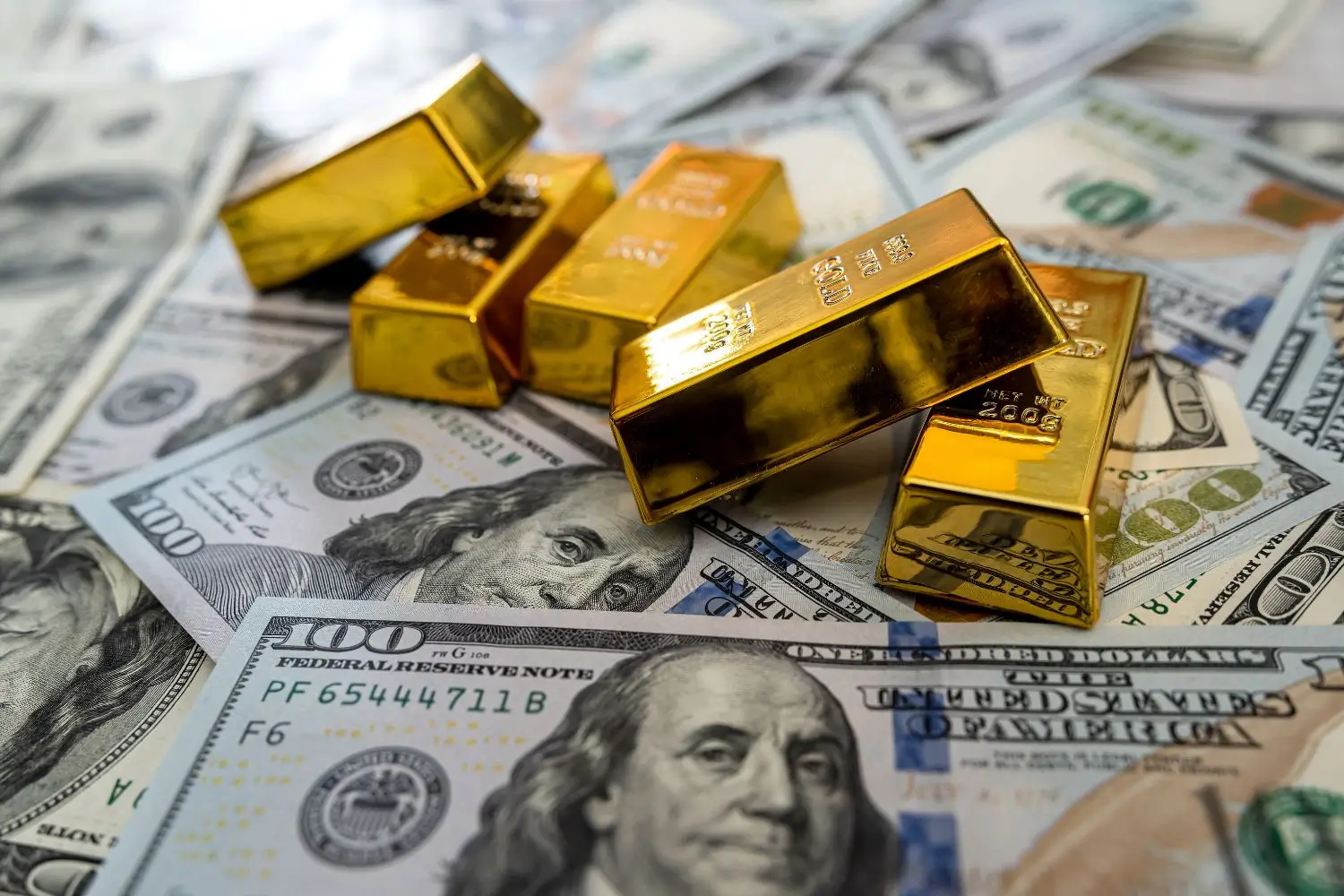
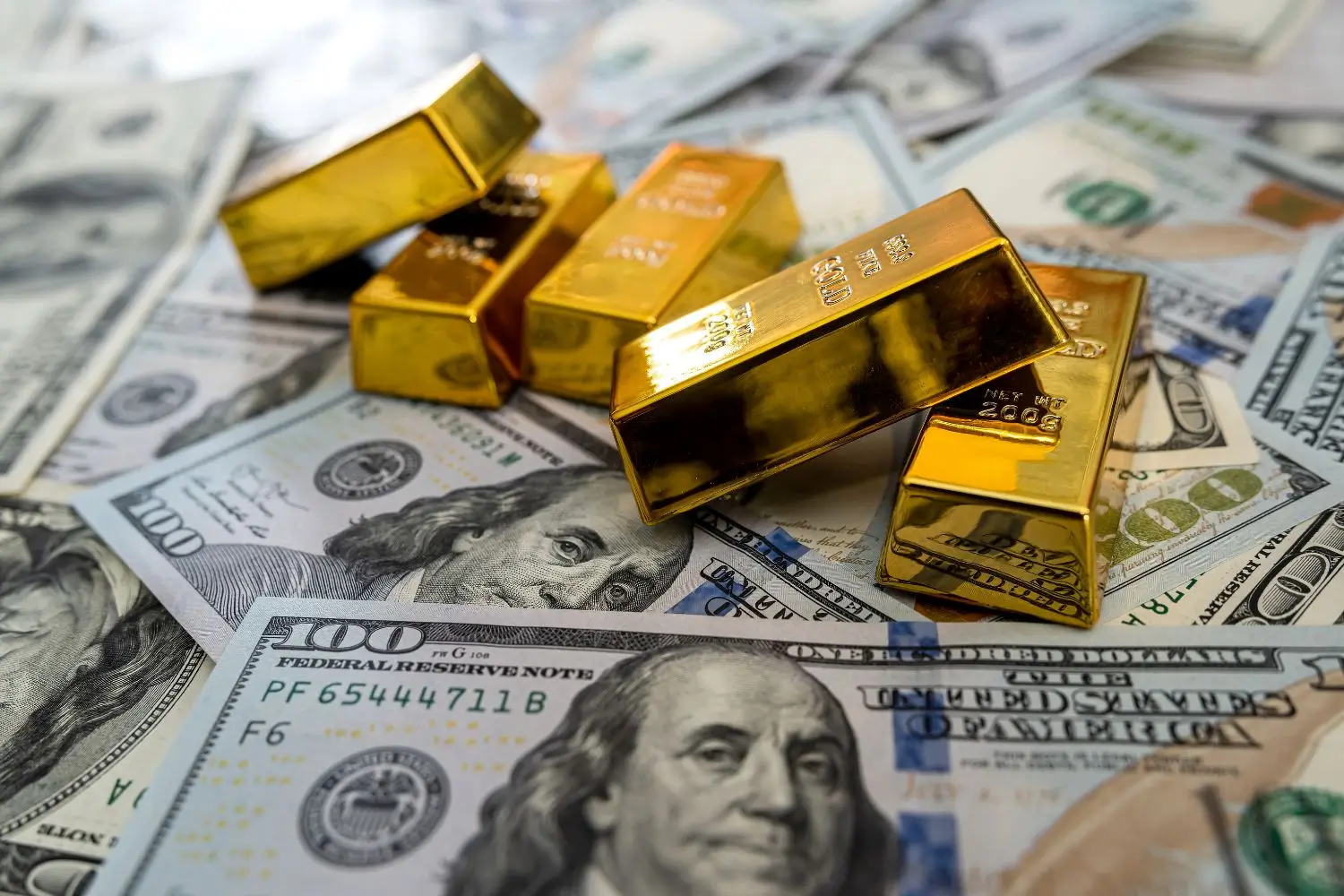 Global gold markets entered trading on March 13, 2026, in a cautious and volatile mood, with prices fluctuating between $5,070 and $5,100 per ounce. Despite escalating geopolitical tensions in the Middle East, the precious metal is showing signs of weakness and may record its second consecutive weekly decline.
This situation highlights a surprising paradox in financial markets. While gold is traditionally considered a safe-haven asset during geopolitical crises, the current market dynamics are being driven more strongly by macroeconomic forces—particularly surging oil prices and shifting expectations for U.S. Federal Reserve monetary policy.
Recent market data indicates that spot gold rose slightly by about 0.3% to around $5,095 per ounce, while U.S. gold futures for April delivery edged lower toward the $5,100 level.
Although prices remain above the key psychological threshold of $5,000 per ounce, gold has declined more than 3% since the escalation of the Middle East conflict in late February, reflecting a shift in investor sentiment.
Market participants are closely monitoring upcoming U.S. inflation indicators, particularly the Personal Consumption Expenditures (PCE) index, which is widely considered the Federal Reserve’s preferred measure of inflation. These data points will likely influence expectations regarding the central bank’s next interest-rate decisions.
One of the key factors weighing on gold is the sharp surge in global oil prices, driven by concerns over potential supply disruptions in the Middle East.
Benchmark Brent crude has climbed above $100 per barrel, with prices earlier this week approaching $120 per barrel, the highest level since 2022.
The surge is largely attributed to several geopolitical risks:
Disruptions to critical global energy supply routes
Heightened tensions around the Strait of Hormuz, a vital chokepoint for global oil shipments
Attacks targeting energy infrastructure across the region
The Strait of Hormuz is one of the world’s most strategic oil transport corridors, handling roughly 20% of global oil trade. Any threat to this route immediately triggers volatility in energy markets.
As oil prices rise, the broader concern is that inflation could resurface globally, forcing central banks to maintain tighter monetary policies for longer than previously expected.
At the beginning of 2026, financial markets widely anticipated that the U.S. Federal Reserve would begin cutting interest rates to support economic growth. However, the recent spike in oil prices has complicated that outlook.
Higher energy prices can quickly translate into broader inflation pressures. If inflation accelerates again, the Fed may be forced to maintain interest rates in the 3.5%–3.75% range rather than begin cutting them soon.
Higher interest rates generally create downward pressure on gold for several reasons:
Interest-bearing assets such as bonds become more attractive
The U.S. dollar strengthens, making gold more expensive for international investors
As a result, some investment capital is flowing toward other financial assets rather than aggressively entering the gold market.
The ongoing conflict in the Middle East is sending ripples across global financial markets.
During the past week:
Several Asian stock markets have posted declines
The U.S. dollar has strengthened against major currencies
Government bond yields have shown increased volatility
This combination of rising oil prices, inflation risks, and geopolitical uncertainty places policymakers in a difficult position. Governments and central banks must balance inflation control with the need to avoid triggering an economic slowdown.
If the conflict intensifies or spreads across the region, analysts warn it could trigger a global energy shock, reminiscent of previous oil crises that significantly disrupted the world economy.
Across Asia, physical gold demand has shown mixed trends. Some markets have experienced increased buying due to geopolitical uncertainty, while others have seen demand soften as gold prices reach historically high levels.
In Vietnam, domestic gold prices remain significantly higher than global benchmarks. SJC gold bars are currently trading around 182–185 million VND per tael, reflecting supply constraints and regulatory differences in the local gold market.
This price gap means Vietnam’s gold market often moves somewhat independently from international trends.
Market analysts expect gold prices to remain highly volatile in the short term, driven by three major factors:
If the conflict expands and significantly disrupts oil supply routes, gold could regain strong upward momentum as investors seek safe-haven assets.
Any signals that the Federal Reserve may begin cutting interest rates could trigger renewed buying interest in gold.
A stronger dollar typically exerts downward pressure on gold prices.
Many analysts expect gold to trade within a range of $5,000 to $5,200 per ounce in the near term, until clearer signals emerge from both geopolitical developments and global monetary policy.
The global gold market is entering a particularly sensitive phase, where geopolitical tensions and macroeconomic forces are interacting simultaneously.
Although geopolitical conflicts usually boost safe-haven demand for gold, this time the surge in oil prices and renewed inflation concerns are acting as major counterforces.
In the coming weeks, investors should closely monitor:
Developments in the Middle East conflict
U.S. inflation data
Federal Reserve interest-rate decisions
These factors will ultimately determine whether gold resumes its upward trajectory or continues its consolidation after the sharp rally earlier in 2026.