 Gold Prices Edge Higher as Dollar Weakens and U.S. Tariff Concerns Mount
Gold prices posted modest gains during Thursday’s Asian session, supported by a weaker U.S. dollar and renewed concerns over U.S. trade tariffs that lifted safe-haven demand. At the same time, investors remained cautious ahead of a crucial round of nuclear negotiations between Washington and Tehran scheduled later in the day.
The market’s tone reflects a familiar tug-of-war: easing currency pressure on one side and persistent geopolitical and trade uncertainties on the other.
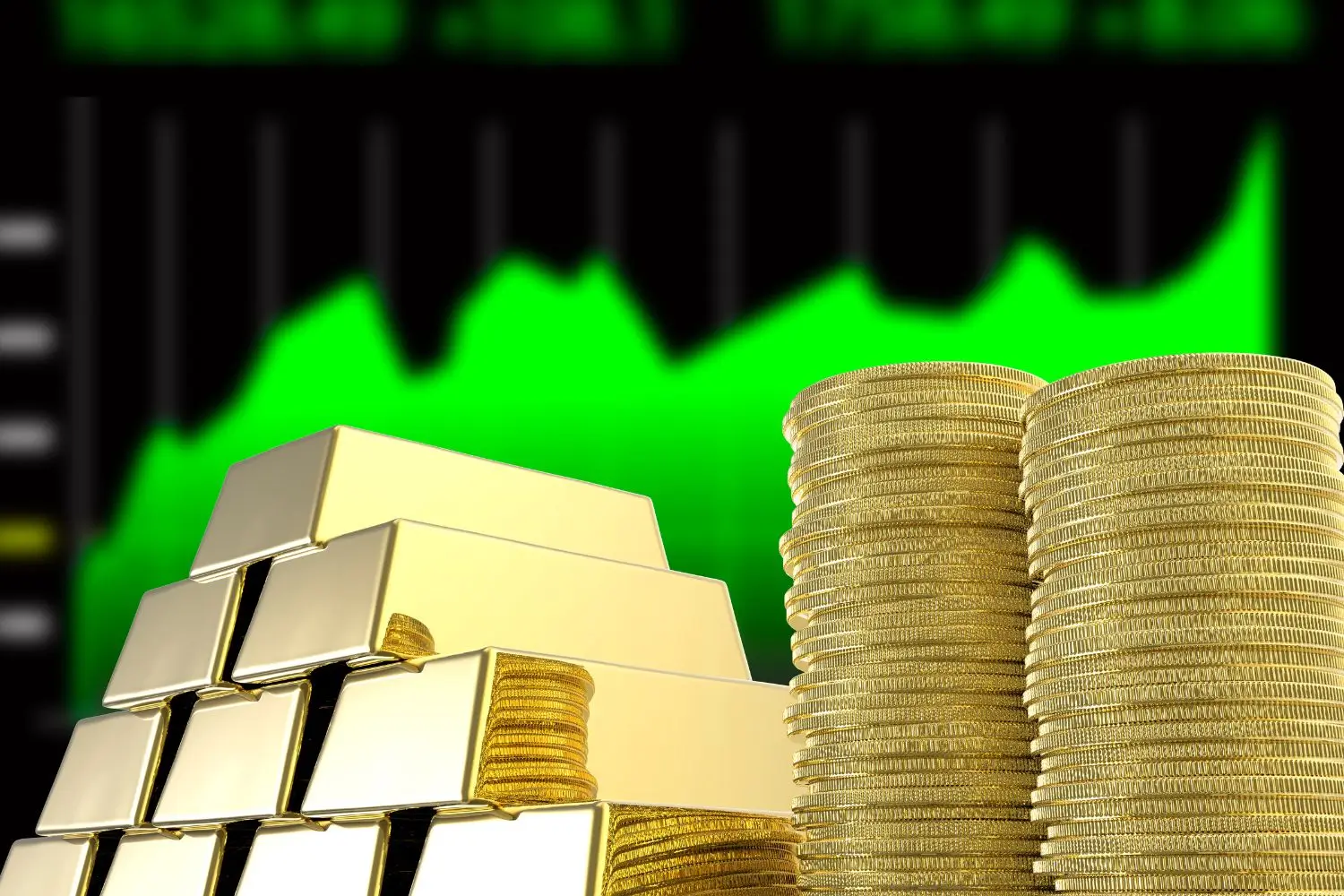
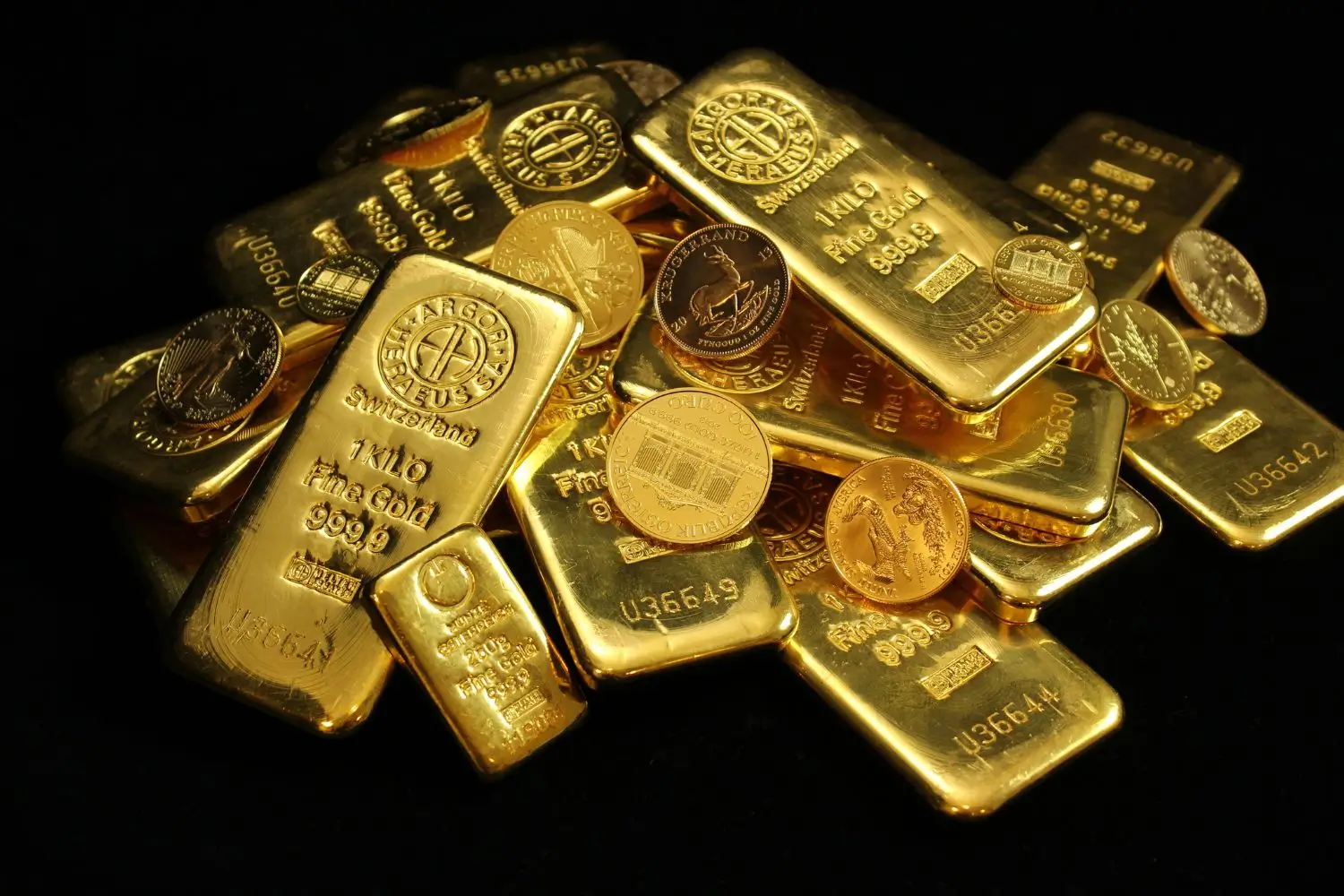
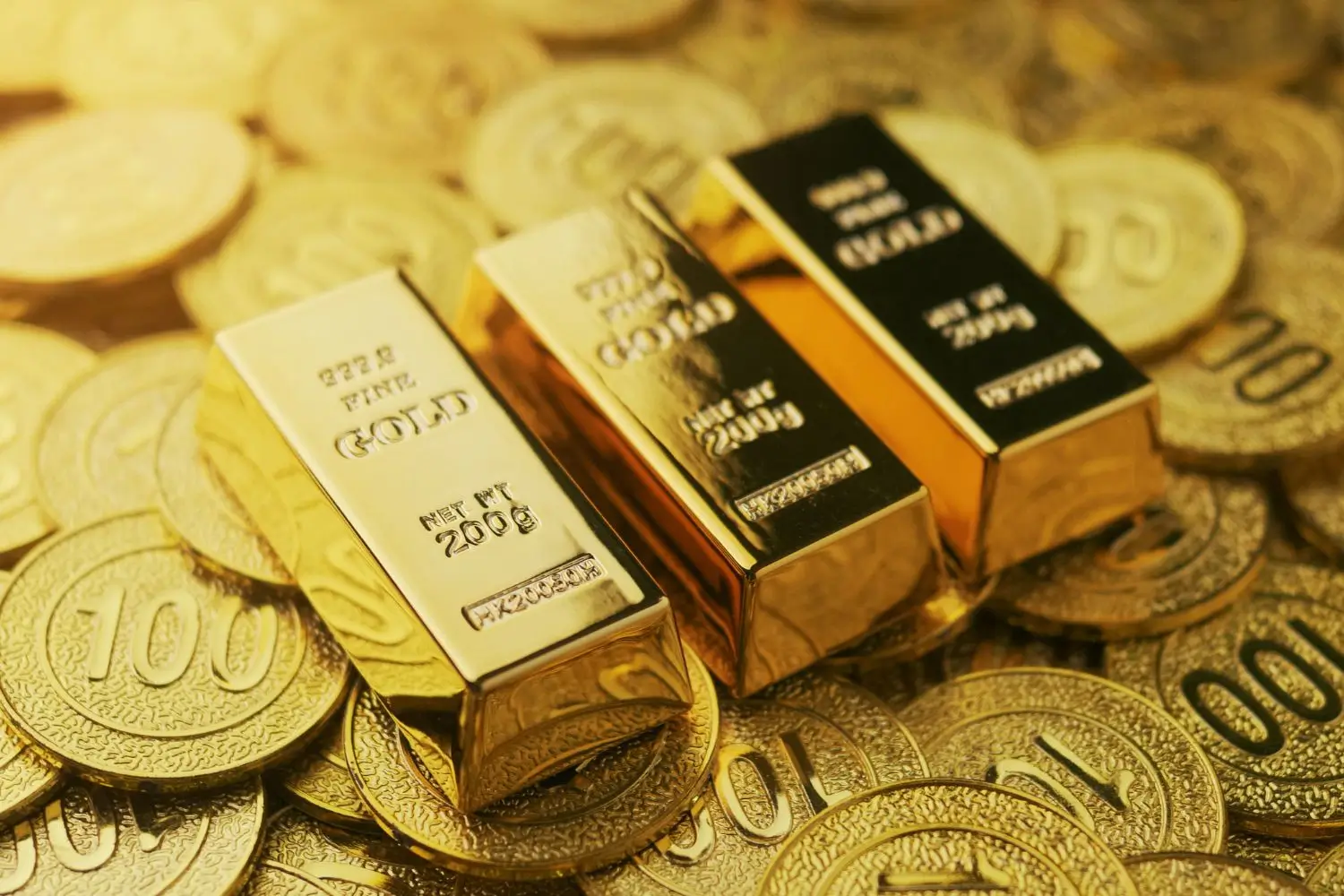
As of 21:22 ET (09:22 GMT), spot gold rose 0.73% to $5,188.55 per ounce. Meanwhile, U.S. gold futures slipped 0.5% to $5,200.54 per ounce, highlighting some divergence between spot and futures markets.
A key driver behind gold’s gains was the weakness in the US Dollar Index, which fell 0.2% during Asian trading hours, retreating from a recent one-month high. A softer dollar makes gold more attractive for holders of other currencies, thereby supporting demand.
With real interest rates still elevated and expectations for Federal Reserve rate cuts not yet firmly established, currency movements remain a critical short-term catalyst for gold prices.
In parallel with currency dynamics, markets are closely monitoring diplomatic developments as U.S. and Iranian officials meet in Geneva to continue discussions over Tehran’s nuclear program.
Any signs of escalating tensions or a breakdown in negotiations could fuel further safe-haven flows into gold. Historically, the precious metal has responded swiftly to rising geopolitical risk, whether linked to regional conflicts or broader international disputes.
Given this backdrop, the outcome of the current round of talks could serve as an important short-term catalyst for bullion markets.
Trade policy concerns are also back in focus. Following a recent ruling by the U.S. Supreme Court, the legal framework governing certain trade measures has been reshaped, paving the way for the introduction of new global tariffs.
The implementation of fresh tariffs of up to 15% has added another layer of uncertainty to the global trade outlook. At a time when the world economy is experiencing uneven growth, such measures raise the risk of retaliatory actions from major trading partners and increased fragmentation in global commerce.
Periods of trade uncertainty have historically boosted demand for defensive assets, with gold often emerging as a primary beneficiary.
Beyond geopolitical and trade-related factors, investors are also awaiting a batch of U.S. economic data due later in the day, particularly weekly jobless claims.
This data point serves as a crucial indicator of labor market health—an essential variable influencing the Federal Reserve’s monetary policy decisions. A sharp rise in claims could reinforce expectations for policy easing, potentially providing additional support for gold.
Conversely, stronger-than-expected labor data may strengthen the case for keeping interest rates higher for longer, increasing the opportunity cost of holding non-yielding assets such as gold.
Since the beginning of the year, gold has been underpinned by several structural factors:
Ongoing global flashpoints have continued to channel capital into safe-haven assets.
Many central banks have maintained efforts to diversify foreign exchange reserves, increasing gold allocations to reduce reliance on the U.S. dollar.
Amid heightened volatility in equity markets and pressure on bond markets from elevated yields, gold has served as a strategic hedge within diversified portfolios.
The combination of these factors has created a solid underlying foundation for gold prices, even during periods of short-term correction.
Other precious metals were relatively subdued in early Asian trading:
Silver rose 0.3% to $89.34 per ounce.
Platinum traded flat at $2,277.60 per ounce.
The relatively muted performance of silver and platinum suggests that safe-haven flows remain primarily concentrated in gold.
For now, the gold market appears to be in a holding pattern, awaiting clearer signals from three major fronts:
The outcome of U.S.–Iran nuclear negotiations
Further developments surrounding U.S. tariff policy
Upcoming U.S. economic data and Federal Reserve guidance
Should geopolitical or trade tensions intensify, gold could quickly break to new highs. On the other hand, improved diplomatic conditions and robust economic data may trigger a period of technical consolidation.
Gold prices are currently supported by a softer U.S. dollar and renewed trade policy uncertainty, while investors remain cautious ahead of key diplomatic talks between Washington and Tehran.
As geopolitical and trade-related risks persist, gold continues to reaffirm its role as a traditional safe-haven asset in global financial markets. However, the next directional move will likely depend on the interplay between diplomatic developments and U.S. economic data in the coming days.
For investors, closely tracking macroeconomic signals and policy shifts will be essential to navigating the evolving landscape of the precious metals market.

.jpg)
.png)
 Tiếng Việt
 English