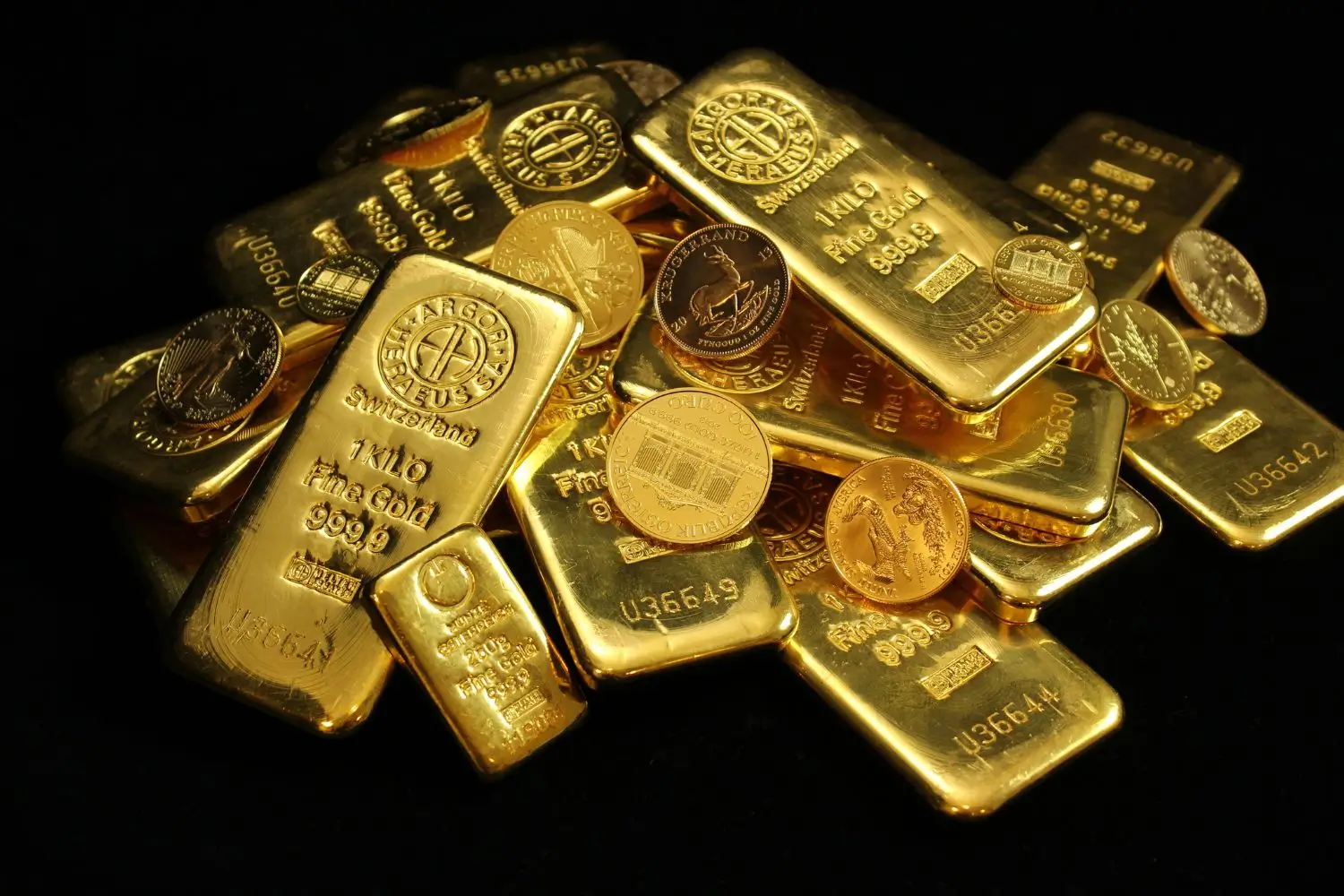
Gold prices edged lower in Asian trading on Thursday, marking a pause after three straight sessions of record-breaking gains. The pullback came as US President Donald Trump adopted a more conciliatory stance on unrest in Iran and sought to calm investor concerns over the future of US monetary policy.
At 02:04 ET (07:04 GMT), spot gold fell 0.4% to $4,609.89 per ounce, while US gold futures also declined 0.4% to $4,615.10 per ounce.
The decline followed a sharp rally that pushed gold to an all-time high of $4,642.72 per ounce in the previous session, as investors reassessed near-term geopolitical and policy risks.
In recent sessions, gold surged to multiple record highs amid heightened concerns that escalating unrest in Iran could trigger a military response from the United States and destabilize the Middle East. These fears boosted demand for traditional safe-haven assets, with gold emerging as a primary beneficiary.
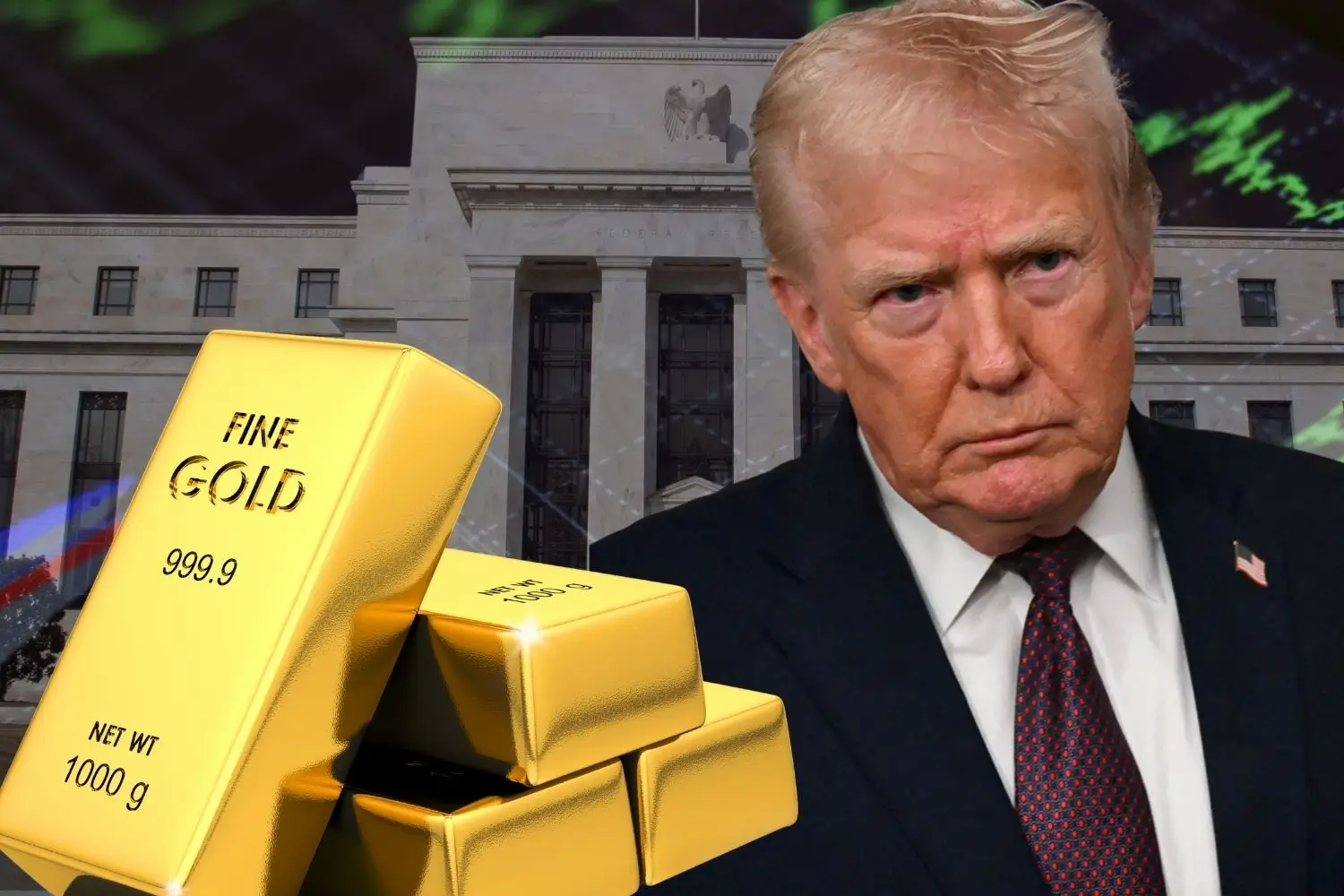
At the same time, political pressure on the US Federal Reserve added to investor anxiety. President Trump’s criticism of the central bank and speculation over potential action against Fed leadership raised questions about the independence of US monetary policy, further strengthening gold’s appeal.
Together, these factors propelled the metal well above key technical levels, drawing strong inflows from risk-averse investors.
Gold’s upward momentum eased after President Trump signaled a more measured approach toward Iran. The US leader stated that he had received assurances that Iranian authorities would stop killing protesters and that there were no plans for large-scale executions at this stage.
These remarks reduced expectations of an immediate US military response to protests against the government of Supreme Leader Ayatollah Ali Khamenei. As a result, the geopolitical risk premium that had supported gold prices began to fade.
With fears of rapid escalation subsiding, investors scaled back defensive positions, prompting a pullback in bullion prices.
Gold also came under pressure after President Trump attempted to reassure markets about the Federal Reserve.
In an interview with Reuters, Trump said he had no plans to dismiss Fed Chair Jerome Powell, despite an ongoing investigation. The comments helped reduce investor fears of political interference in US monetary policy and reinforced confidence in the central bank’s independence.
As uncertainty surrounding the Fed eased, demand for safe-haven assets such as gold softened, contributing to the metal’s retreat from record levels.
Beyond macroeconomic developments, analysts also pointed to profit-taking as a key factor behind Thursday’s decline.
After a powerful rally that drove prices significantly above major technical thresholds, many traders opted to lock in gains. This wave of selling intensified short-term pressure on gold, accelerating the move lower during Asian trading hours.
Such corrections are commonly seen after sharp advances, particularly when prices approach historically elevated levels.
Despite the short-term pullback, gold continues to be underpinned by strong structural support. Markets widely expect the Federal Reserve to cut interest rates later this year, a backdrop that typically favors gold by reducing the opportunity cost of holding non-yielding assets.
In addition, persistent geopolitical uncertainty and robust buying by central banks remain key pillars supporting gold demand. These longer-term factors suggest that the broader bullish trend may remain intact, even as prices consolidate in the near term.
Other precious metals experienced steeper losses during the session, reflecting a broader cooling in risk sentiment:
Silver plunged more than 3% to $89.76 per ounce
Platinum fell 2.5% to $2,323.52 per ounce
The sharper declines in silver and platinum underscored the market’s shift away from defensive positioning, as investors reassessed immediate risks.
Industrial metals followed a similar pattern. On the London Metal Exchange (LME):
Benchmark copper futures slipped 1.1% to $13,087.20 per metric ton
US copper futures dropped 1.6% to $5.99 per pound
The decline reflected a combination of profit-taking and concerns over near-term demand, as easing geopolitical tensions weighed on the broader commodities complex.
Gold’s retreat in Asian trading on Thursday appears to reflect a short-term adjustment in risk sentiment rather than a fundamental shift in market direction. The easing of geopolitical tensions and reassurance over US monetary policy prompted investors to reduce defensive positions after a rapid rally.
However, with expectations of lower US interest rates, ongoing global uncertainties, and sustained central bank demand, gold remains well supported. Future price movements will likely hinge on fresh signals from the White House, the Federal Reserve, and developments in key geopolitical hotspots.

.jpg)

.png)
 Tiếng Việt
 English