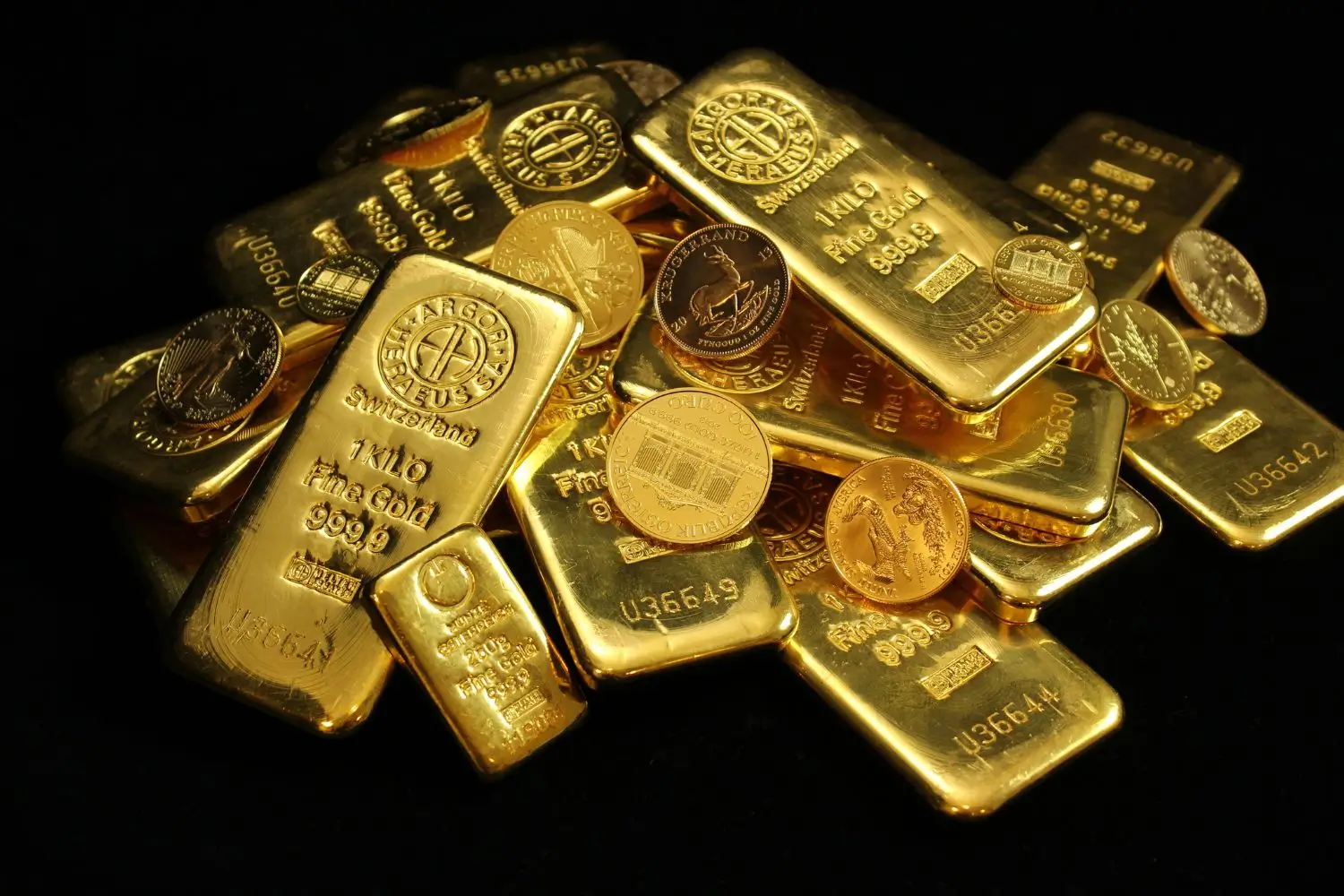
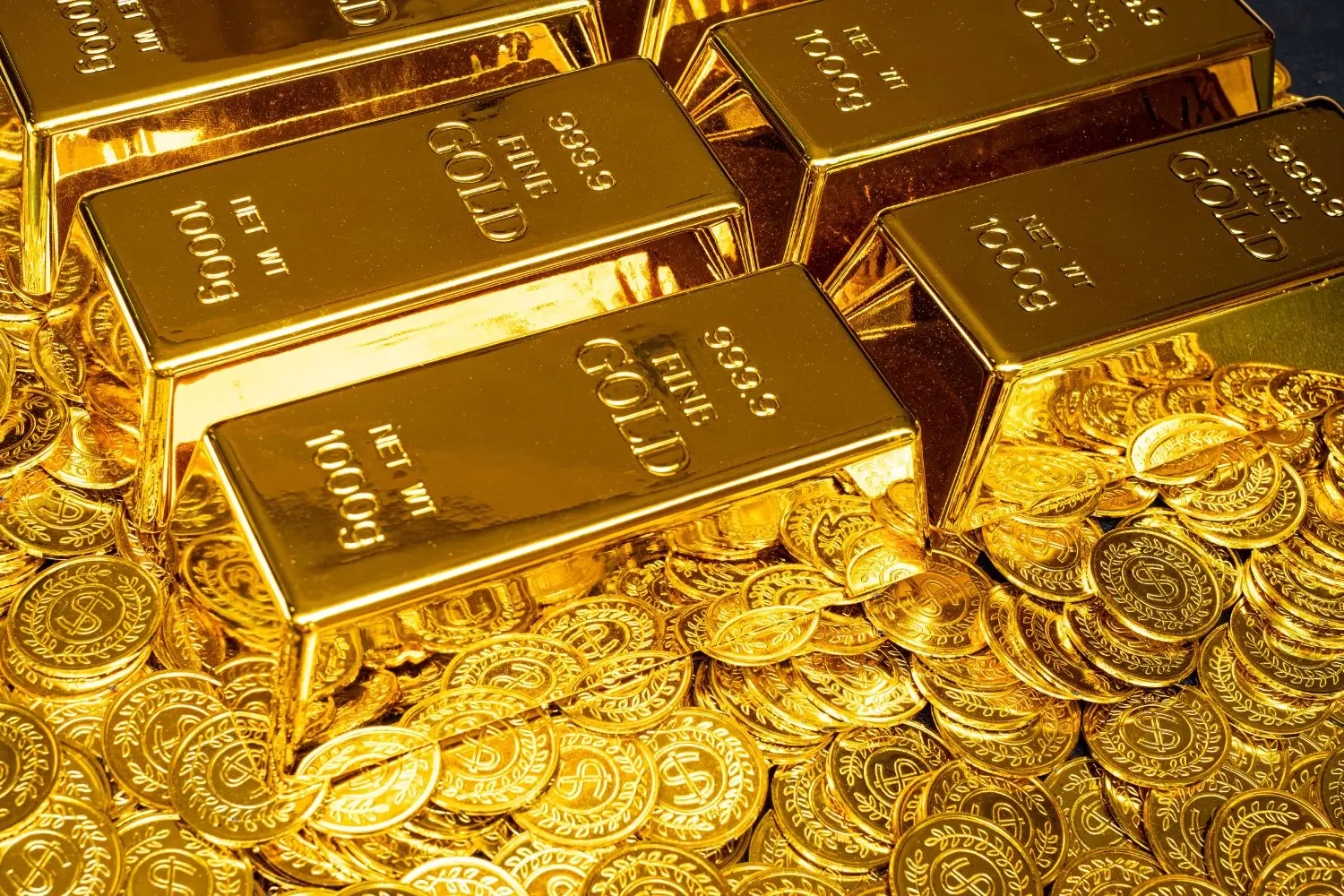
Gold prices soared to an all-time high during Asian trading on Monday, edging close to the $4,700 per ounce mark, as investors flocked to safe-haven assets amid escalating geopolitical tensions and renewed fears of a global trade conflict.
Spot gold climbed 1.8% to $4,675.55 per ounce at around 00:31 GMT, after touching an intraday record of $4,690.75 per ounce earlier in the session. Meanwhile, U.S. gold futures rose 1.9% to $4,681.10 per ounce, reflecting strong demand across global markets.
The latest surge extends last week’s powerful rally, during which bullion repeatedly set fresh record highs. Analysts say the move is being driven by a combination of geopolitical uncertainty, mounting trade tensions, and growing expectations that the U.S. Federal Reserve will begin cutting interest rates later this year.
Silver prices also staged an impressive rally, jumping more than 4% to a new all-time high of $94.03 per ounce. Unlike gold, silver benefits from both its role as a safe-haven asset and its extensive use in industrial applications, including electronics, renewable energy, and manufacturing.
This dual demand has amplified silver’s gains, particularly at a time when investors are seeking protection against economic volatility while also positioning for long-term industrial growth. Market strategists note that silver often outperforms gold during periods of heightened uncertainty combined with expectations of monetary easing.
A key catalyst behind the surge in precious metals was a statement by U.S. President Donald Trump, who announced on Sunday that the United States plans to impose new tariffs on eight European countries that have opposed his proposal for the U.S. to acquire Greenland.
According to Trump, the U.S. will introduce a 10% tariff on goods from the affected countries starting February 1, with the rate set to increase to 25% by June if no agreement is reached. Countries reportedly targeted include France, Germany, the United Kingdom, along with several Nordic nations.
The announcement drew sharp criticism from European officials and raised concerns about a broader transatlantic trade dispute. Financial markets reacted swiftly, with investors reducing exposure to riskier assets and increasing allocations to traditional safe havens such as gold and silver.
The prospect of a renewed trade war between the U.S. and Europe has added another layer of uncertainty to an already fragile global economic environment. Investors remain wary of the potential impact of higher tariffs on global trade flows, corporate earnings, and economic growth.
Historically, gold has performed well during periods of trade tension and political instability, as it is viewed as a store of value that is insulated from currency depreciation and policy shocks. The latest tariff threats have reinforced this perception, prompting strong inflows into precious metals.
Beyond geopolitical risks, gold has also benefited from growing expectations that the Federal Reserve will ease monetary policy in the coming months. Recent U.S. economic data has pointed to slowing growth and cooling inflation, strengthening the case for interest rate cuts later this year.
Lower interest rates reduce the opportunity cost of holding non-yielding assets like gold, making them more attractive relative to bonds and cash. As a result, even modest shifts in rate expectations can have a significant impact on gold prices.
Market participants are now closely watching upcoming U.S. economic releases and Fed communications for further clues on the timing and pace of potential rate cuts.
Geopolitical risks have also played a crucial role in driving gold prices higher. Last week, bullion rallied sharply amid renewed concerns over developments in the Middle East, including rising tensions involving Iran.
Ongoing conflicts, diplomatic standoffs, and regional instability continue to weigh on investor sentiment, reinforcing gold’s appeal as a hedge against geopolitical shocks. Analysts note that as long as these risks remain elevated, downside pressure on gold prices is likely to be limited.
The rally in precious metals has coincided with broader shifts across global financial markets:
Global equities came under pressure as investors adopted a more cautious stance, with major Asian and European indices trading lower.
The U.S. dollar weakened against other safe-haven currencies such as the Japanese yen and Swiss franc, further supporting gold prices.
Bond yields declined, reflecting increased demand for defensive assets and expectations of looser monetary policy.
These cross-market movements underscore the extent to which risk aversion is shaping investor behavior.
Looking ahead, many analysts believe gold prices could remain elevated or even extend gains if current trends persist.
Several major financial institutions have suggested that gold could test the $4,700 level on a sustained basis, particularly if trade tensions escalate further or geopolitical risks intensify. Some longer-term forecasts even point to the possibility of gold approaching $4,900–$5,000 per ounce in 2026, should global uncertainty remain high.
However, analysts caution that short-term volatility is likely, especially if there are sudden shifts in trade negotiations or unexpected changes in monetary policy expectations.
Escalating U.S.–Europe trade tensions
Rising geopolitical risks, particularly in the Middle East
Expectations of Federal Reserve interest rate cuts
Weakening U.S. dollar
Strong demand for safe-haven assets
Gold’s surge to a record near $4,700 per ounce highlights the powerful combination of geopolitical uncertainty, trade war fears, and shifting monetary policy expectations currently shaping global markets. With silver also reaching historic highs, investors are sending a clear signal: in an increasingly unpredictable world, safe-haven assets remain in high demand.
As long as trade tensions persist and economic risks linger, gold is likely to retain its status as a critical hedge for global investors.

.jpg)
.png)
 Tiếng Việt
 English