.png)
 Tiếng Việt
 English


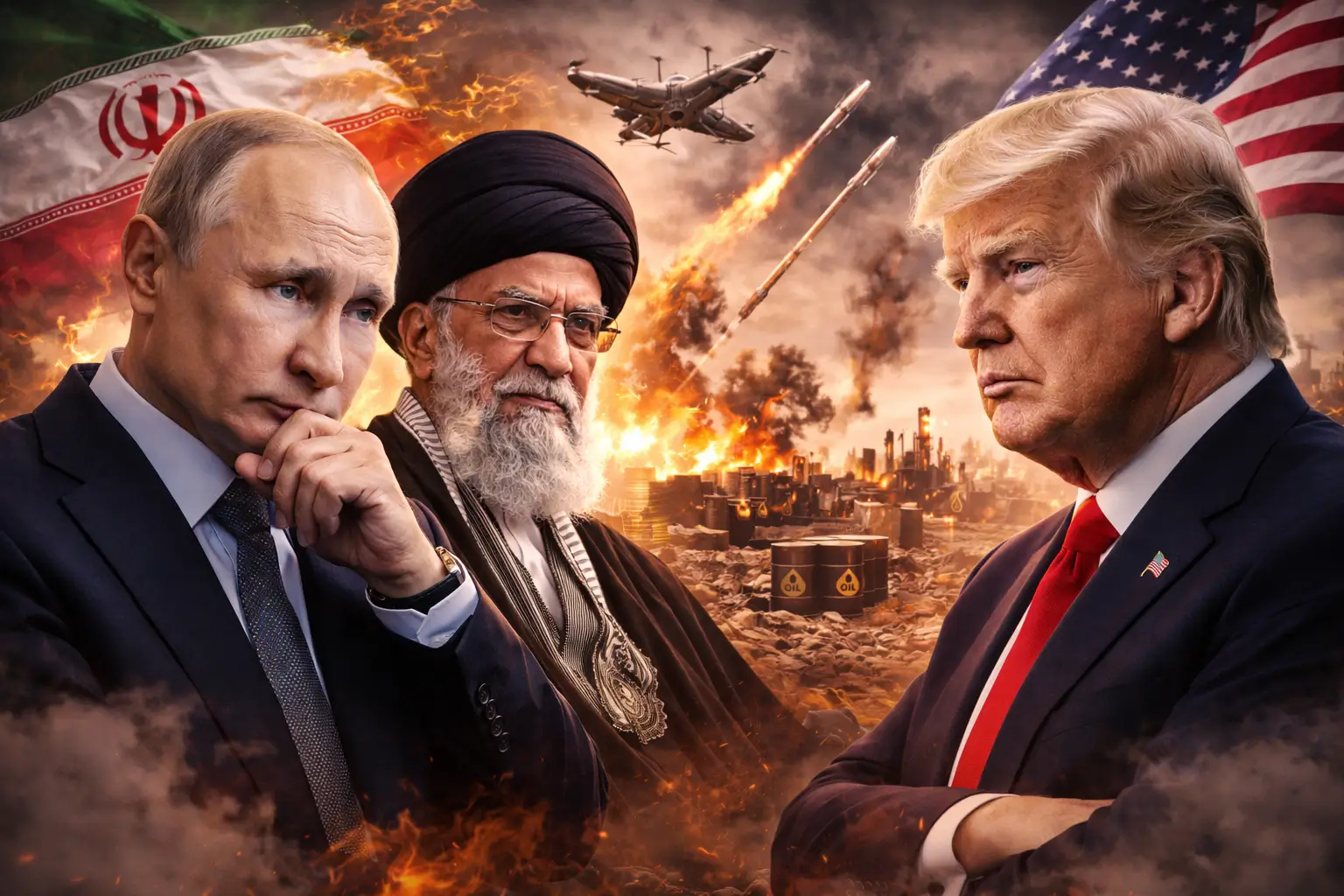
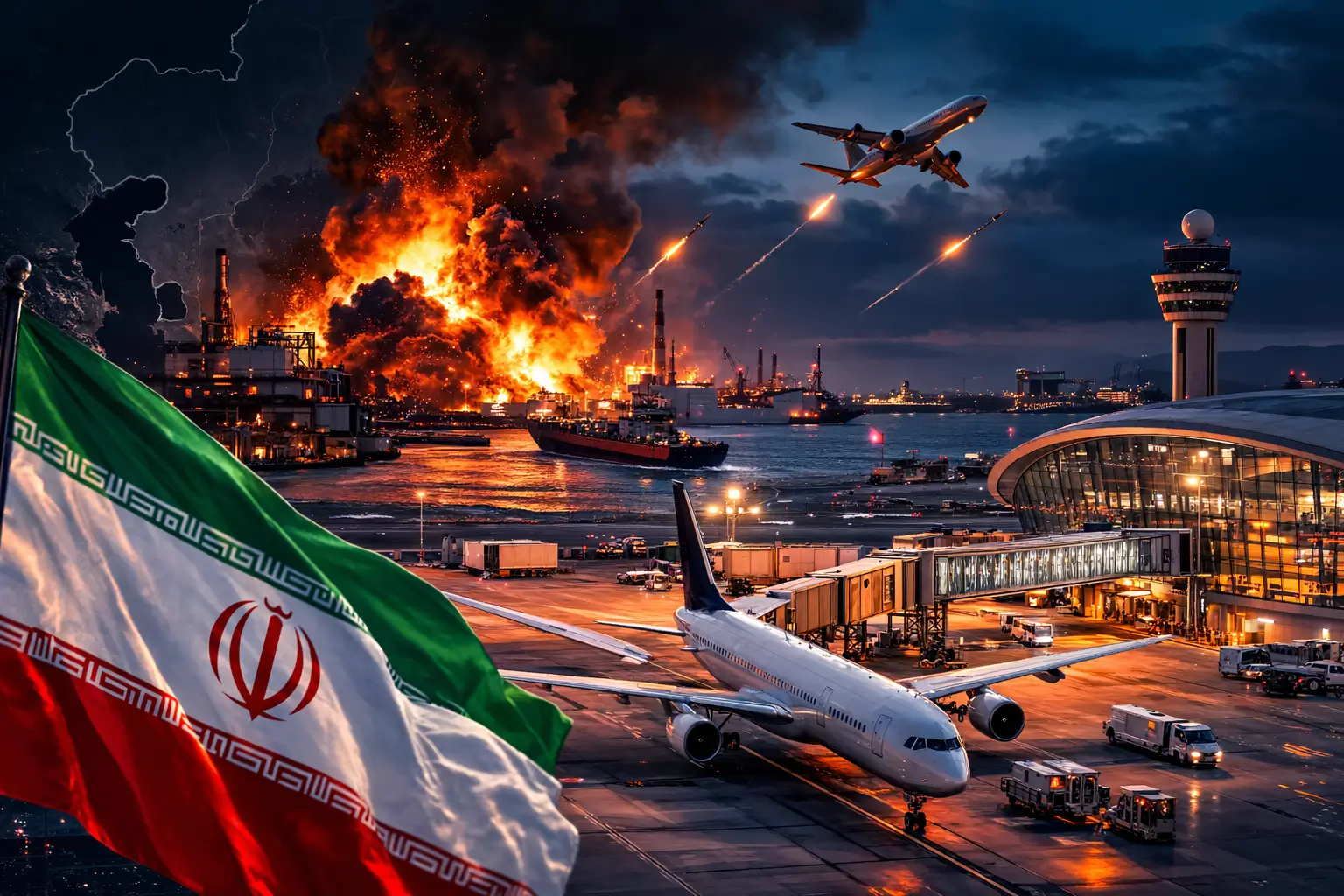 The geopolitical crisis in the Middle East is deepening after Iran launched a series of attacks targeting infrastructure, commercial shipping routes and one of the world’s busiest international airports. The escalation marks a significant expansion of the conflict involving Iran, the United States and Israel, raising fears of widespread disruption to global trade, aviation and energy markets.
Analysts warn that the latest developments could intensify instability in global financial markets while further pushing oil prices higher.
According to reports from international news agencies, Iran has conducted multiple attacks across the Gulf region, targeting infrastructure networks and commercial vessels. The strikes come as the broader conflict with the United States and Israel continues to intensify.
Several merchant ships traveling through the Persian Gulf and the Strait of Hormuz have reportedly been struck by projectiles or damaged during maritime incidents. At least three vessels were hit during one of the latest attacks, forcing crews to evacuate and triggering emergency rescue operations.
The attacks are widely viewed as part of Iran’s strategy to disrupt maritime logistics and exert pressure on Western allies in the region.
Industry experts note that the Persian Gulf remains one of the most important global trade corridors, particularly for energy shipments.
The conflict has also expanded beyond maritime targets.
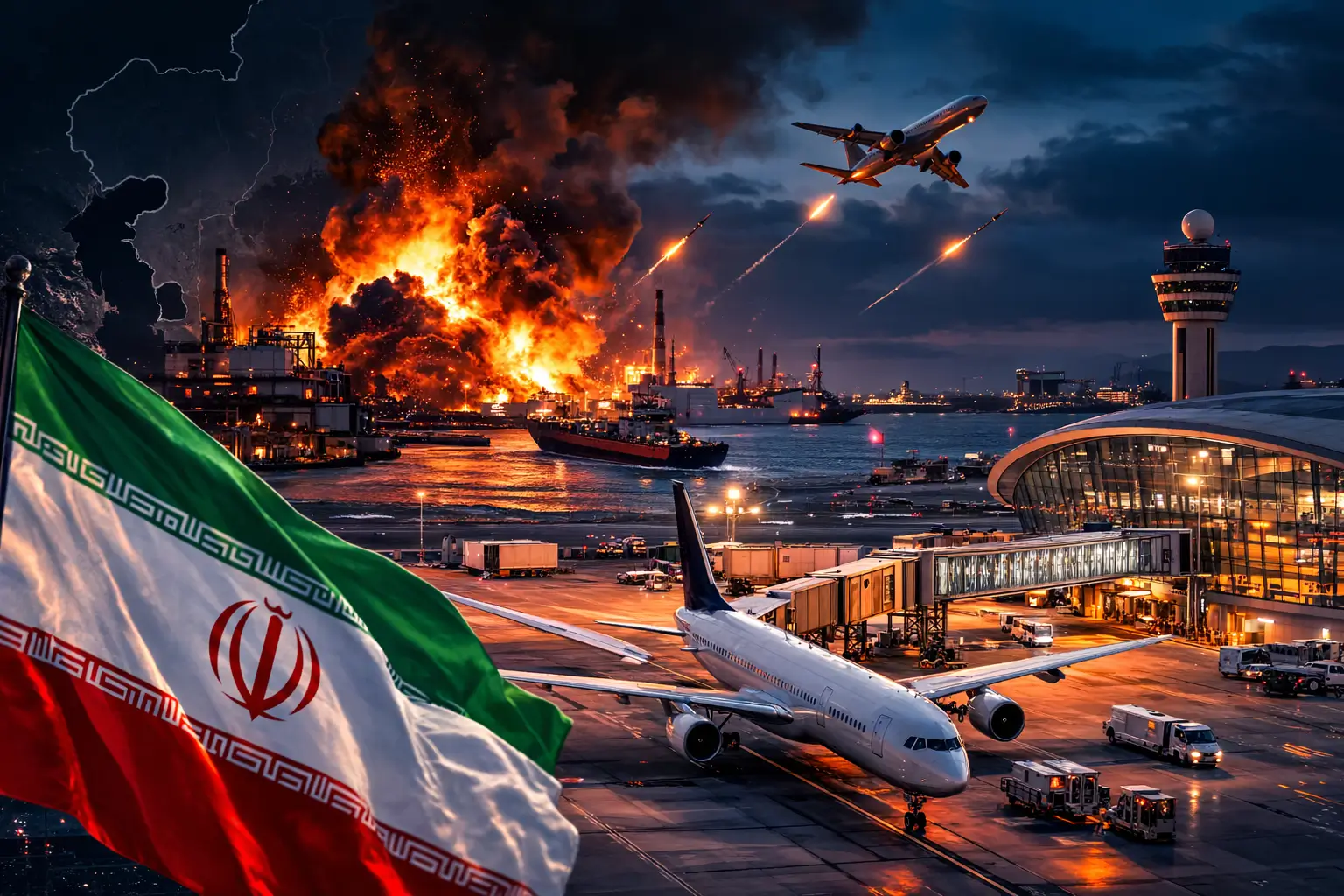
Iran reportedly launched attacks aimed at one of the world’s busiest international airports, causing severe disruptions to aviation traffic and forcing authorities to suspend or reroute flights.
The incident has raised major concerns among international aviation authorities, as the airport plays a crucial role in connecting Europe, Asia and the Middle East.
Airlines operating in the region have begun adjusting flight paths or temporarily suspending certain routes to avoid potential risks.
Aviation experts warn that prolonged disruptions could have cascading effects on global air travel, cargo transportation and international supply chains.
A key flashpoint in the escalating conflict is the Strait of Hormuz, one of the world’s most strategically important maritime routes.
Approximately 20% of the global oil supply passes through the narrow waterway, making it a critical artery for global energy markets.
However, rising tensions and repeated attacks on vessels have dramatically reduced shipping traffic in the region. In some periods, tanker traffic through the strait dropped by as much as 70%, with more than 150 ships waiting outside the passage due to security concerns.
The situation has sparked fears that the conflict could lead to a complete disruption of oil shipments through the strait.
Such a scenario would have enormous consequences for global energy supply and international trade.
The attacks on shipping routes and energy infrastructure have already begun to affect global oil markets.
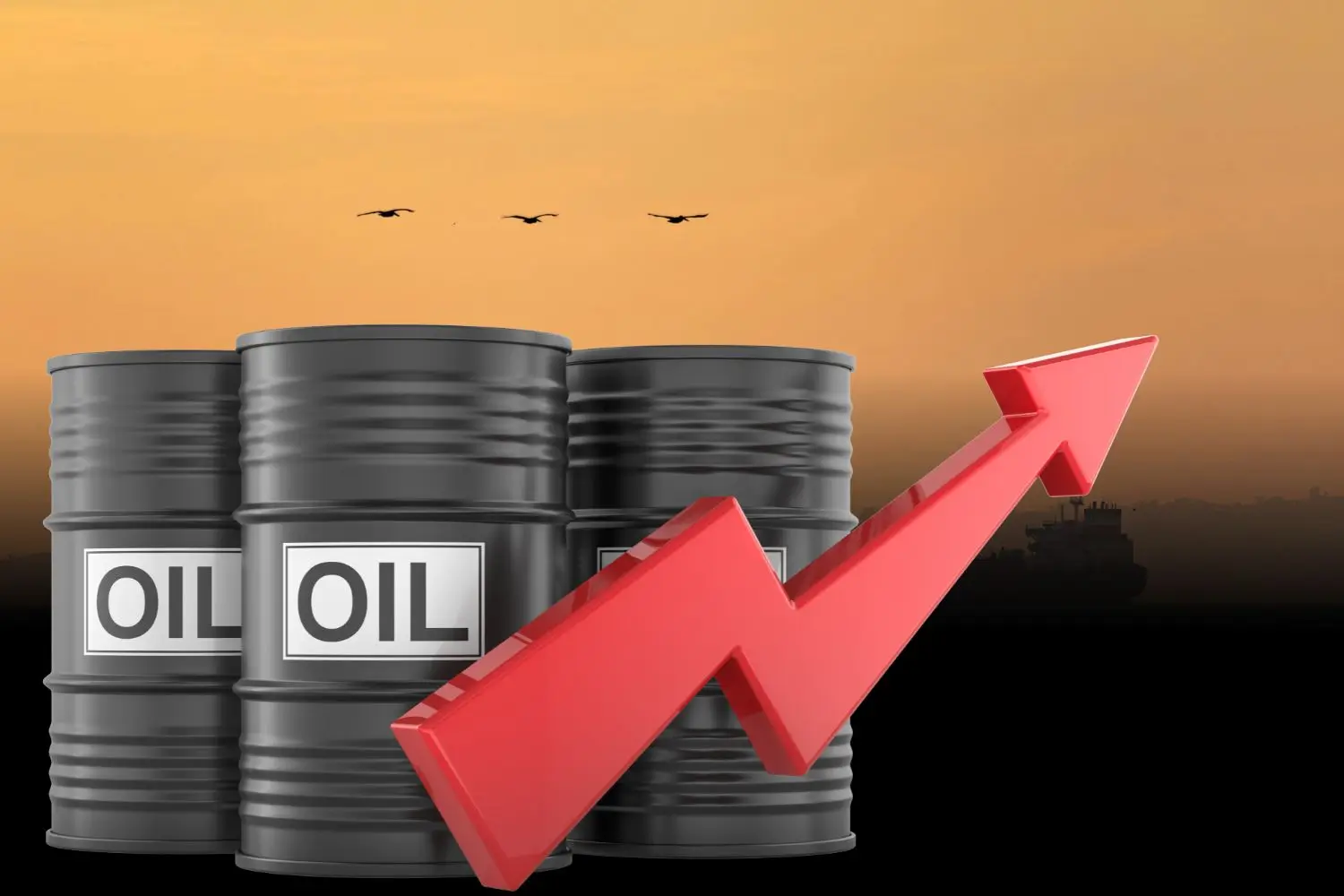
Benchmark Brent crude prices have surged above $100 per barrel, marking one of the sharpest increases in recent years.
At one point during the crisis, prices even approached $120 per barrel as traders reacted to the possibility of prolonged supply disruptions.
Energy analysts warn that further escalation could drive oil prices even higher, particularly if the Strait of Hormuz remains unstable.
Higher energy prices would likely ripple across the global economy by increasing transportation costs, manufacturing expenses and inflation.
The maritime shipping sector has also been significantly affected by the ongoing conflict.
Major container shipping companies have been forced to suspend certain operations or reroute vessels away from high-risk areas in the Gulf.
Some companies are redistributing fuel supplies among ships to maintain operations, while others have temporarily halted cargo bookings to and from several Middle Eastern ports.
The disruptions have also caused insurance costs for vessels traveling through the region to surge sharply.
According to maritime analysts, the increased risk of attacks has led to a dramatic rise in war-risk insurance premiums for oil tankers and cargo ships.
The expanding conflict between Iran, the United States and Israel is now increasingly viewed as a potential global economic risk.
Energy supply disruptions combined with rising oil prices could trigger inflationary pressures in major economies around the world.
Higher fuel costs would affect multiple sectors, including:
Transportation and logistics
Manufacturing and heavy industry
Food production and supply chains
International trade
Economists warn that prolonged instability in the Middle East could lead to slower global economic growth.
For countries heavily dependent on imported energy, the impact could be particularly severe.
Beyond economic concerns, the conflict is also raising fears of broader regional instability.
The United States has already conducted operations against Iranian naval vessels suspected of laying mines in the Gulf, while Iran has threatened to escalate attacks on regional ports and military targets.
At the same time, Iranian leaders have signaled that the closure of the Strait of Hormuz remains a strategic option in response to continued military pressure from the United States and Israel.
Such a move would represent one of the most dramatic escalations in the conflict and could trigger a global energy crisis.
With tensions showing no immediate signs of easing, markets remain highly sensitive to developments in the Middle East.
Investors, policymakers and global businesses are closely monitoring the situation, recognizing that the conflict could reshape energy markets and global trade routes in the months ahead.
If attacks on infrastructure and shipping continue, oil prices could remain elevated while supply chains face additional disruptions.
For now, the world’s attention remains focused on the Gulf region — where geopolitical tensions are increasingly intertwined with the stability of the global economy.