.png)
 Tiếng Việt
 English


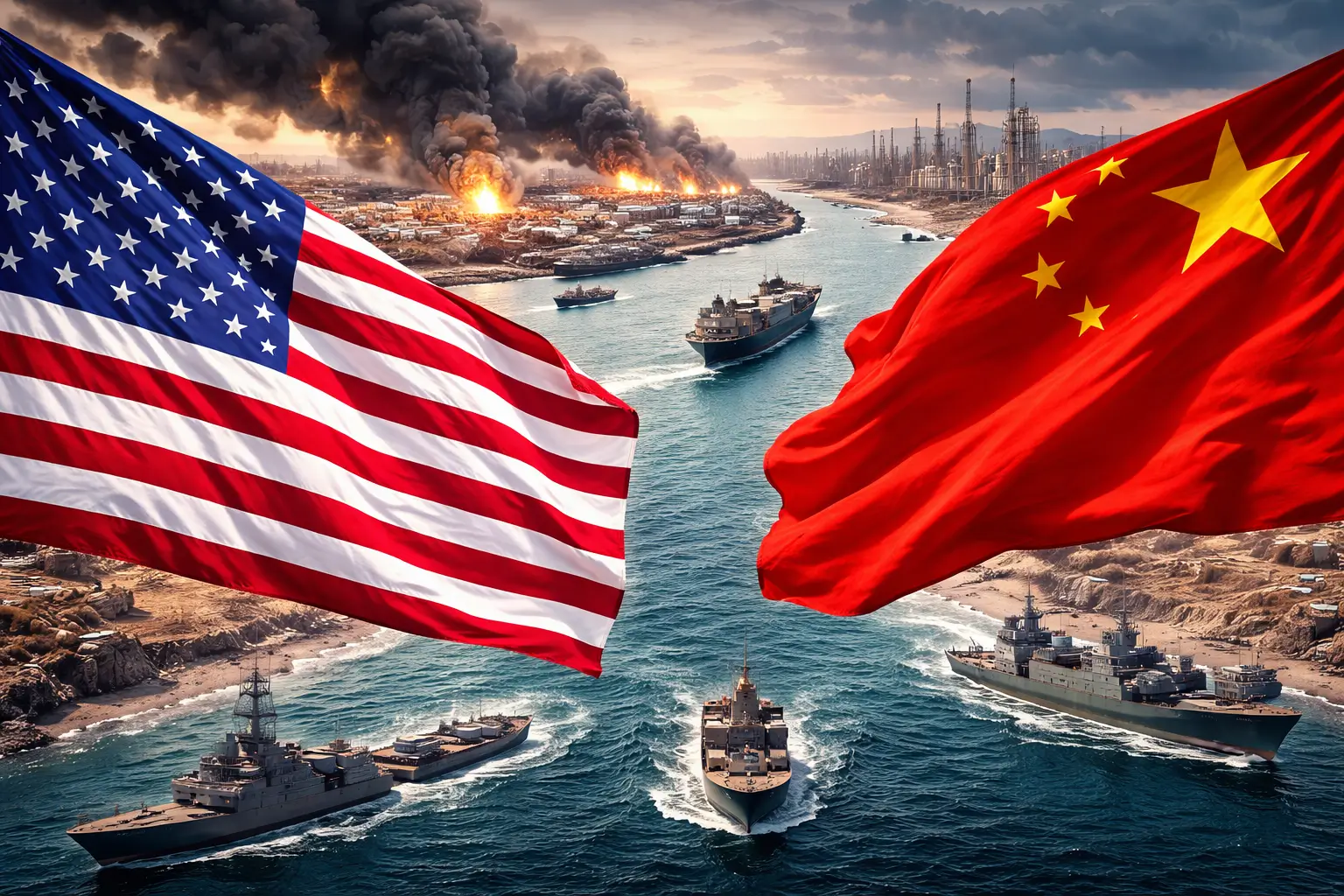
 The escalating confrontation between Iran, the United States, and Israel has triggered a severe shock to global energy trade. The Strait of Hormuz — the strategic maritime corridor responsible for transporting roughly 20% of the world’s oil consumption — is now facing near paralysis following Tehran’s military retaliation.
The immediate consequences are dramatic: more than 150 vessels stranded, multiple oil tankers damaged, confirmed casualties, and one of the sharpest energy price spikes seen this year. Markets are once again confronting the geopolitical fragility of global supply chains.
The Strait of Hormuz serves as the primary export gateway for crude oil and liquefied natural gas (LNG) from major producers including Saudi Arabia, Iraq, the UAE, and Qatar. At just 21 miles wide at its narrowest point, this corridor represents one of the most critical bottlenecks in global trade.
After Iran declared the closure of the waterway and warned it would open fire on vessels attempting to pass, shipping activity slowed dramatically. Asian governments — heavily dependent on Middle Eastern oil — have reportedly begun reassessing strategic petroleum reserves in response to mounting uncertainty.
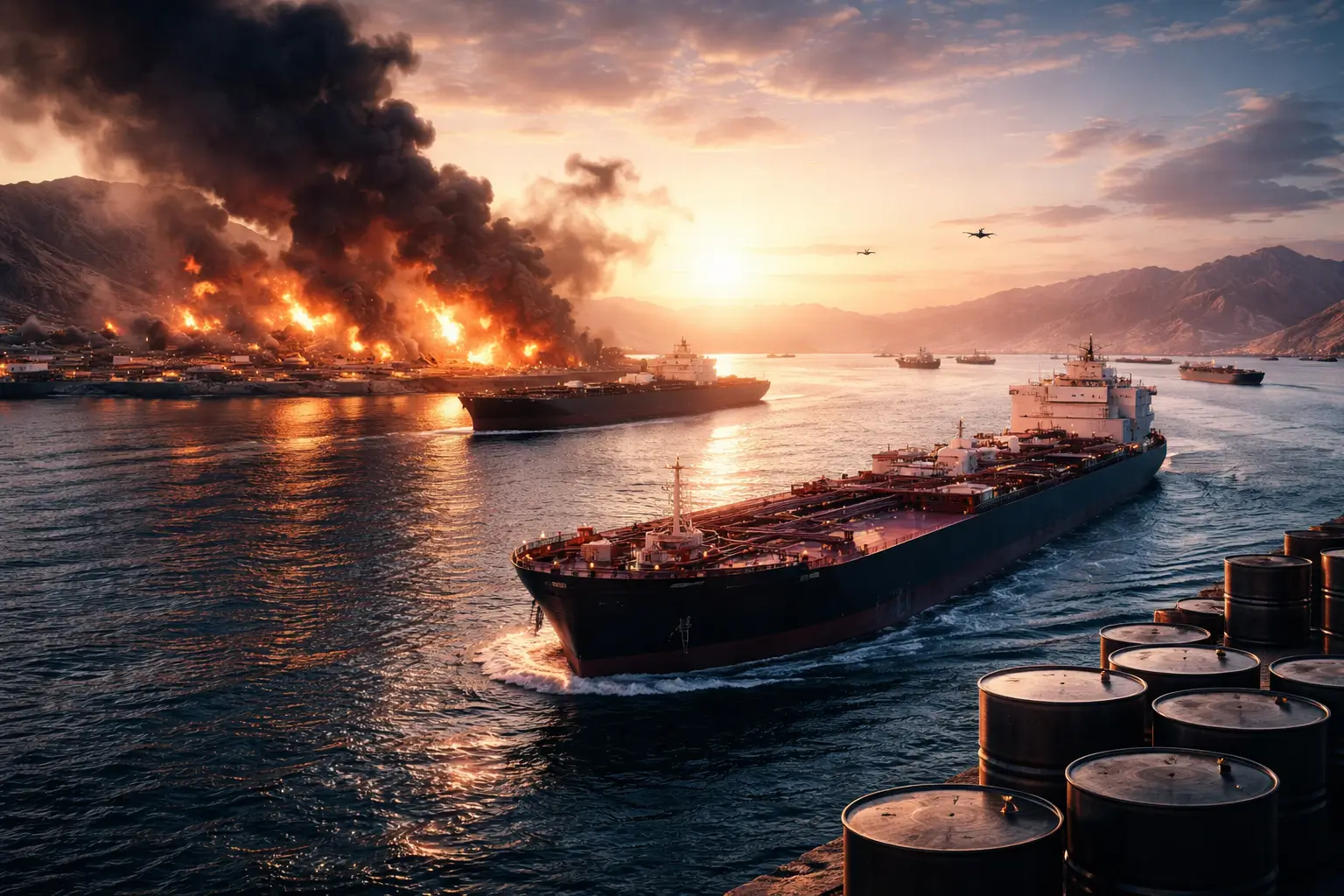
Maritime tracking data indicate that at least 150 vessels, including oil tankers and LNG carriers, were anchored in and around the Strait by Sunday. The congestion signals not only a supply disruption but also a potential domino effect across global logistics networks.
Events on the ground underscore the rising risks.
A Honduran-flagged tanker, Athe Nova, reportedly caught fire after being struck by two drones while transiting the Strait. Iranian authorities attributed the incident to escalating military exchanges in the region.
Meanwhile, the U.S.-flagged product tanker Stena Imperative sustained damage from what was described as an “aerial impact” while anchored in the Middle East Gulf. Its owner, Stena Bulk, along with U.S. manager Crowley, confirmed the incident resulted in one fatality.
A day earlier, the Marshall Islands-flagged tanker MKD VYOM was struck by a flying object off the coast of Oman, killing one crew member. Two additional tankers reported structural damage in separate incidents. Another refueling vessel, Hercules Star, was hit off the UAE coast but later returned safely to Dubai with its crew unharmed.
The rapid succession of attacks has prompted many shipowners to divert routes or suspend operations altogether, deepening the maritime gridlock.
The crisis is not limited to oil.
According to Jeremy Nixon, CEO of Ocean Network Express (ONE), roughly 10% of the world’s container fleet is now entangled in broader congestion linked to the Hormuz disruption.
Container vessels delayed in the Gulf region could soon trigger bottlenecks at major transshipment hubs in Europe and Asia. Shipping schedules risk cascading delays, while shortages of empty containers may emerge in export-driven economies.
Industry analysts warn that a prolonged closure could recreate supply-chain stresses reminiscent of the COVID-19 pandemic or the Suez Canal blockage, amplifying global inflationary pressures.
Energy markets reacted immediately.
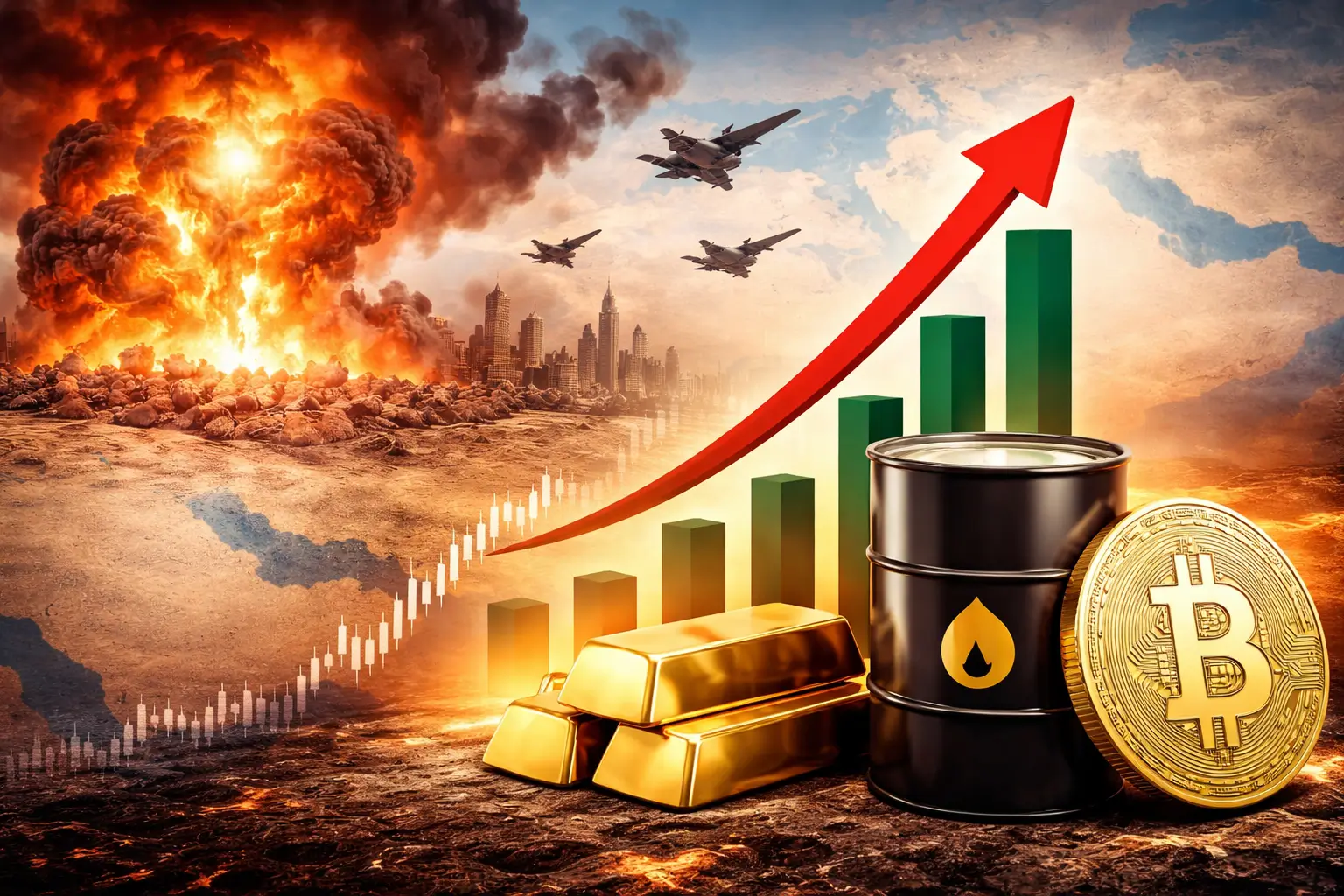
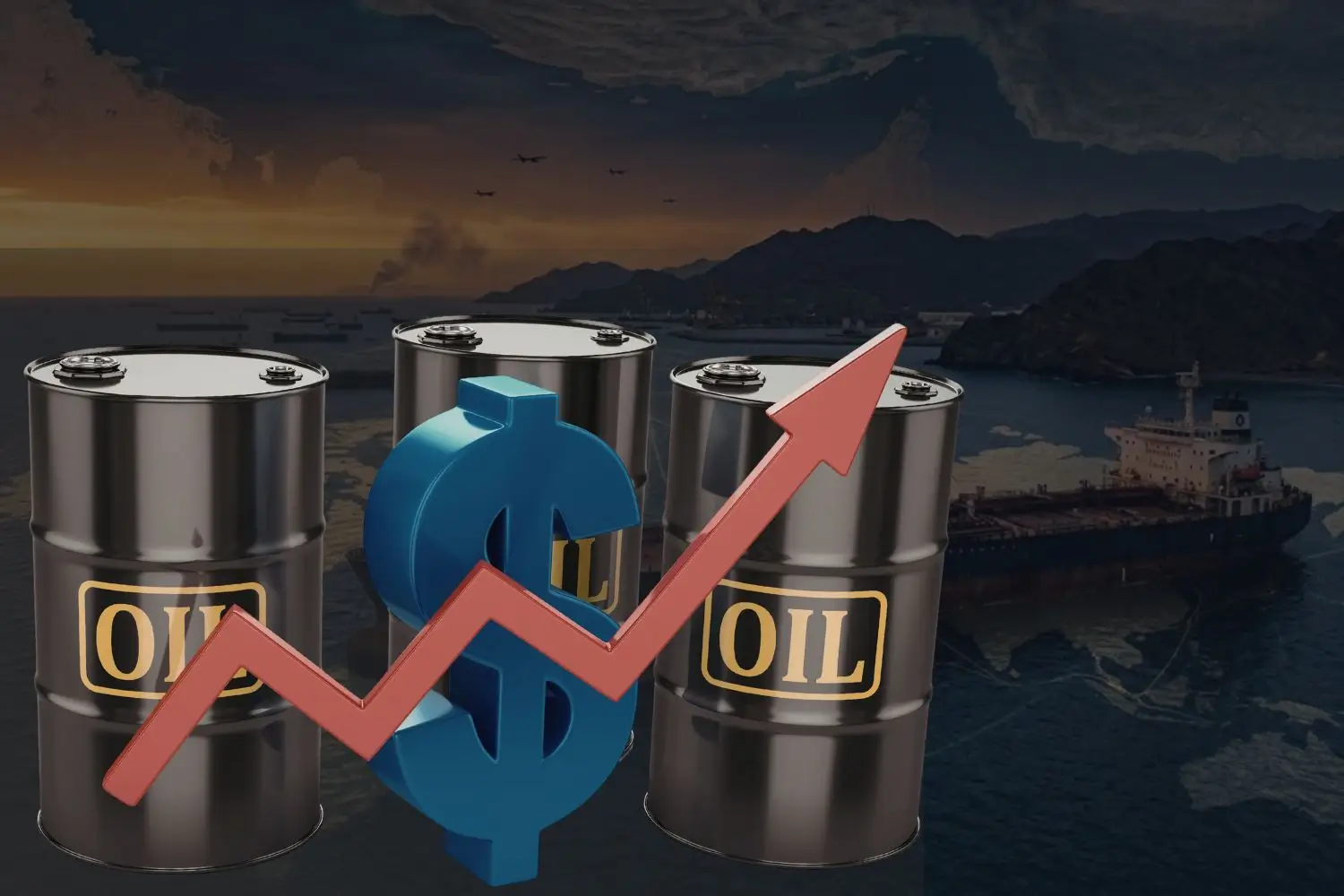
Brent Crude — the global benchmark for oil prices — surged as much as 13% at one point amid concerns over shipping disruptions and potential production shutdowns across the Middle East.
Beyond transportation bottlenecks, fears are growing that key oil and gas facilities in the region may suspend operations due to security risks. European natural gas prices have also climbed sharply, reflecting anxiety over LNG shipments from Qatar, the world’s leading LNG exporter, which rely heavily on passage through Hormuz.
For major importers such as Japan, South Korea, India, and China, higher crude acquisition costs could translate into renewed inflationary headwinds just as central banks attempt to stabilize economic growth.
One of the most consequential developments has been the swift withdrawal of war-risk insurance coverage.
Major marine insurers including Gard, Skuld, NorthStandard, London P&I Club, and American Club have announced cancellations of coverage for vessels operating in the area, effective March 5.
Without war-risk protection, shipping companies must seek alternative coverage at significantly higher rates — if available at all.
Industry sources report that war-risk premiums have jumped from roughly 0.2% of a vessel’s value to as high as 1% within just 48 hours. For a $100 million tanker, that equates to an additional $800,000 per voyage — costs that will inevitably filter through to energy buyers.
Munro Anderson of Vessel Protect described the market as facing a “de facto closure” of the Strait, driven more by perceived threat levels than by a formal blockade.
Freight rates for transporting crude from the Middle East to Asia were already at six-year highs prior to the escalation. With shipowners increasingly reluctant to enter high-risk waters, transportation costs are expected to climb even further.
Higher insurance premiums, extended detours, and operational delays will raise per-barrel delivery costs. In turn, this may intensify global inflationary pressures, particularly in economies heavily dependent on imported energy.
If hostilities persist or expand, oil markets could enter another period of sustained volatility similar to the energy crisis of 2022.
The unfolding events in Hormuz once again highlight the vulnerability of global financial markets to geopolitical flashpoints. A narrow maritime corridor spanning less than 50 kilometers has the capacity to disrupt trillions of dollars in trade.
Governments and corporations alike are now reassessing energy diversification strategies, emergency reserves, and alternative shipping routes. In the near term, volatility in oil and gas markets is likely to remain elevated.
The key question facing markets is whether the Strait of Hormuz will reopen swiftly — or whether the world is entering a new phase of structural energy instability.
For now, every development in the Middle East is being closely watched. In today’s interconnected economy, even a spark in a strategic chokepoint can ignite waves across global financial markets.