
Amazon, the world’s largest e-commerce giant, is entering one of the most high-stakes legal battles in its history. The U.S. Federal Trade Commission (FTC) has accused the company of misleading millions of consumers into enrolling in its Prime membership program without their explicit consent, while also making the cancellation process intentionally difficult.
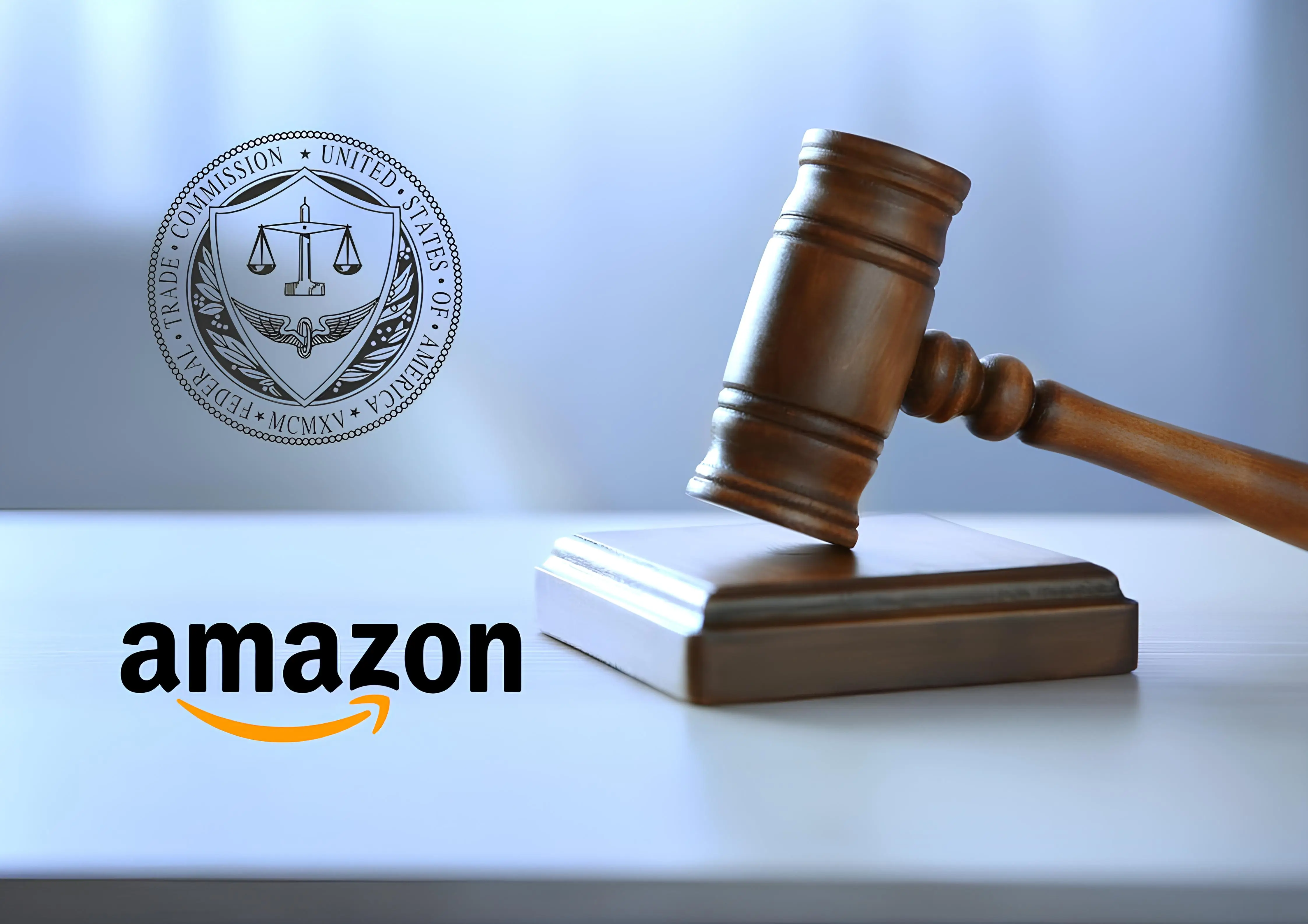
This lawsuit is more than just a corporate dispute—it reflects a broader trend of heightened scrutiny against big tech companies in the United States, where regulators are increasingly concerned about market power and consumer manipulation.
Launched in 2005, Amazon Prime has become one of the most successful subscription services in the world, with over 200 million members globally. For $139 annually, Prime offers benefits such as free shipping, access to a vast library of streaming content, and exclusive shopping perks.
Prime is not only a loyalty driver but also a major revenue engine. Studies consistently show that Prime members shop more often and spend more money than non-Prime users. Jeff Bezos, Amazon’s founder, once said: “Prime has to be such a good value that it would be irresponsible not to join.”
But the very success of Prime is now at the center of allegations that Amazon employed questionable tactics to maximize membership numbers at all costs.
The FTC filed its lawsuit in June 2023 during the Biden administration, accusing Amazon of using “dark patterns”—design tactics meant to mislead users—when promoting Prime.
Key allegations include:
Millions of customers unintentionally enrolled in Prime because Amazon’s checkout design obscured the fact that they were agreeing to a recurring subscription.
Amazon deliberately resisted fixes, fearing membership numbers would decline. Internally, employees described the issue as a “silent cancer.”
Canceling Prime was made excessively complicated, requiring users to navigate four different web pages and choose from 15 options. The cancellation process was nicknamed “Iliad” inside Amazon, a nod to Homer’s epic about the long and grueling Trojan War.
The FTC argues that such practices violate consumer protection and competition laws, as they prioritize corporate profits over transparency and customer trust.
Amazon has strongly denied any wrongdoing. The company insists that the Prime enrollment and cancellation processes are “clear and simple”, and that it has always been transparent about the program’s terms.
In a recent court filing, Amazon stated:
“Evidence that a small percentage of customers misunderstood Prime enrollment or cancellation does not prove that Amazon violated the law. Occasional frustrations are inevitable in a program as popular as Prime.”
For Amazon, the FTC’s case oversimplifies consumer behavior and unfairly paints the company as manipulative.
The trial is taking place in federal court in Seattle, where Amazon is headquartered. Jury selection began in late September 2025, with opening arguments scheduled immediately after. The proceedings are expected to last about a month.
In an early ruling, U.S. District Court Judge John Chun found that Amazon and two of its senior executives violated the Restore Online Shoppers’ Confidence Act by collecting Prime members’ billing information before fully disclosing the terms of service.
This ruling raises the stakes for Amazon executives. Jamil Ghani, Amazon’s head of Prime, and Neil Lindsay, a senior vice president who previously oversaw Prime operations, could face personal liability if the jury sides with the FTC.
The Prime case is part of a wider FTC campaign to crack down on dark patterns in online commerce. Regulators argue these manipulative designs are increasingly common in subscription-based business models.
In 2023, the FTC sued Uber, alleging deceptive practices tied to its Uber One membership program.
Earlier settlements were reached with Match.com (online dating) and Chegg (online education) over similar complaints.
This signals a tougher era for digital businesses that rely on aggressive growth tactics. As one FTC official noted, “Deception is not innovation.”
The outcome of this lawsuit could extend far beyond Prime. Amazon also faces a separate antitrust lawsuit filed by the FTC in 2023, which accuses the company of wielding monopoly power to harm competition. That case is set to go to trial in 2027.
If the FTC prevails in the Prime case, it could set a precedent for regulating deceptive design practices across the tech industry. It would send a clear message that even the most dominant companies must prioritize transparency and consumer rights.
For Amazon, the reputational and financial risks are enormous. A defeat could undermine trust in its flagship membership program and fuel calls for stricter oversight of Big Tech globally.
Amazon Prime has long been hailed as one of the most innovative and lucrative business models of the 21st century. Yet the very program that reshaped e-commerce is now embroiled in a legal battle that could reshape the rules of the digital economy itself.
The trial in Seattle is not just about whether Amazon tricked users into signing up for Prime. It is about how far companies can go in designing digital experiences that benefit them at the expense of consumers.
The verdict could mark a turning point in global efforts to rein in the unchecked power of tech giants and to ensure that the digital marketplace remains fair, transparent, and accountable.

.jpg)

.png)
 Tiếng Việt
 English