.png)
 Tiếng Việt
 English


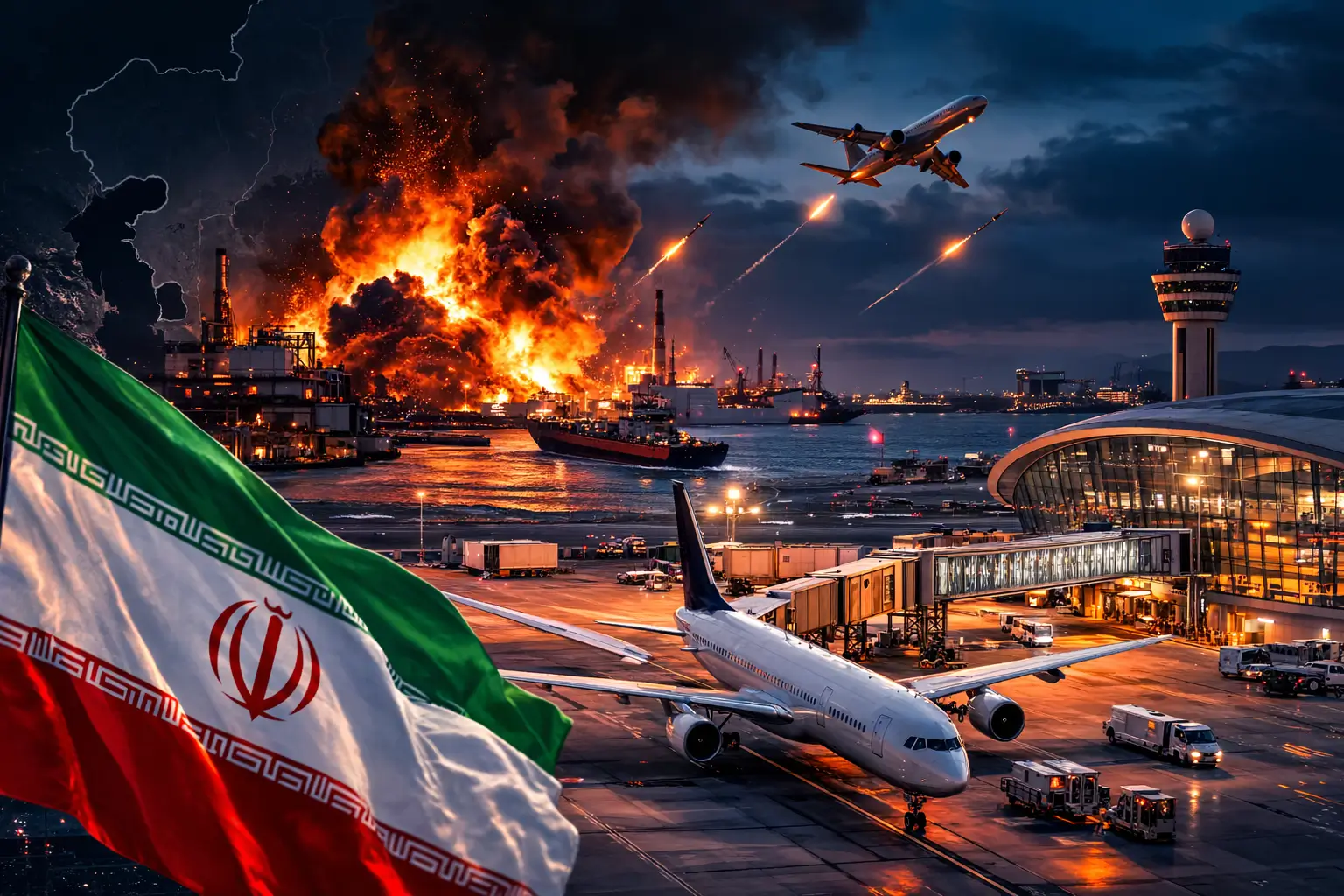
 In recent days, geopolitical tensions in the Middle East have intensified following a series of security incidents near key global energy shipping routes. Drone attacks, assaults on commercial vessels, and new military operations have sparked concerns across international markets.
Among the latest developments are drone incidents near Dubai International Airport, attacks targeting cargo ships in the Strait of Hormuz, and military actions aimed at neutralizing naval mine-laying vessels in the region. These events are raising alarms not only about regional security but also about the stability of global energy supply chains.
At a time when the global economy is still sensitive to inflation and energy costs, analysts warn that prolonged instability could trigger a new cycle of oil market volatility similar to previous global energy crises.
One of the most alarming events occurred when two drones reportedly crashed near Dubai International Airport. Local authorities confirmed that the incident injured several individuals and forced temporary flight disruptions.
Although airport operations were restored shortly afterward, the incident demonstrated how attacks are expanding beyond military targets and affecting critical commercial and logistics hubs in the region.
Dubai is widely regarded as one of the world’s most important trade and financial centers. Any disruption to operations there could create ripple effects across global trade networks, particularly for energy shipments traveling between the Middle East, Asia, and Europe.
For investors and policymakers alike, the incident highlights the growing vulnerability of key global infrastructure to geopolitical tensions.
At the same time, attacks on commercial vessels in the Strait of Hormuz are intensifying fears about the security of one of the world’s most vital oil shipping routes.
According to international maritime reports, multiple commercial ships have been struck by projectiles in recent days, with at least one vessel catching fire off the coast of Oman.
The Strait of Hormuz plays an essential role in global energy trade. Roughly 20% of the world’s seaborne oil supply passes through this narrow waterway every day, making it one of the most strategically important chokepoints in the global energy system.
If the route were to be significantly disrupted, major economies such as China, Japan, South Korea, and countries across Europe could face serious supply challenges.
In response to rising security risks, several shipping companies have begun adjusting their routes or temporarily suspending transit through the area. Insurance costs for maritime transport have also surged, further contributing to higher energy prices worldwide.
In response to growing threats in the region, the United States military has reportedly launched operations targeting naval vessels suspected of laying sea mines in the Strait of Hormuz.
These efforts are aimed at ensuring the safety of international shipping lanes and preventing a full-scale blockade of the waterway.
However, security experts warn that maintaining stability in such a densely trafficked and strategically sensitive area remains extremely difficult. The narrow geography of the strait and the high volume of maritime traffic make it particularly vulnerable to disruptions.
Moreover, any direct military confrontation in the region risks escalating into a broader conflict, potentially drawing in additional countries and further destabilizing global markets.
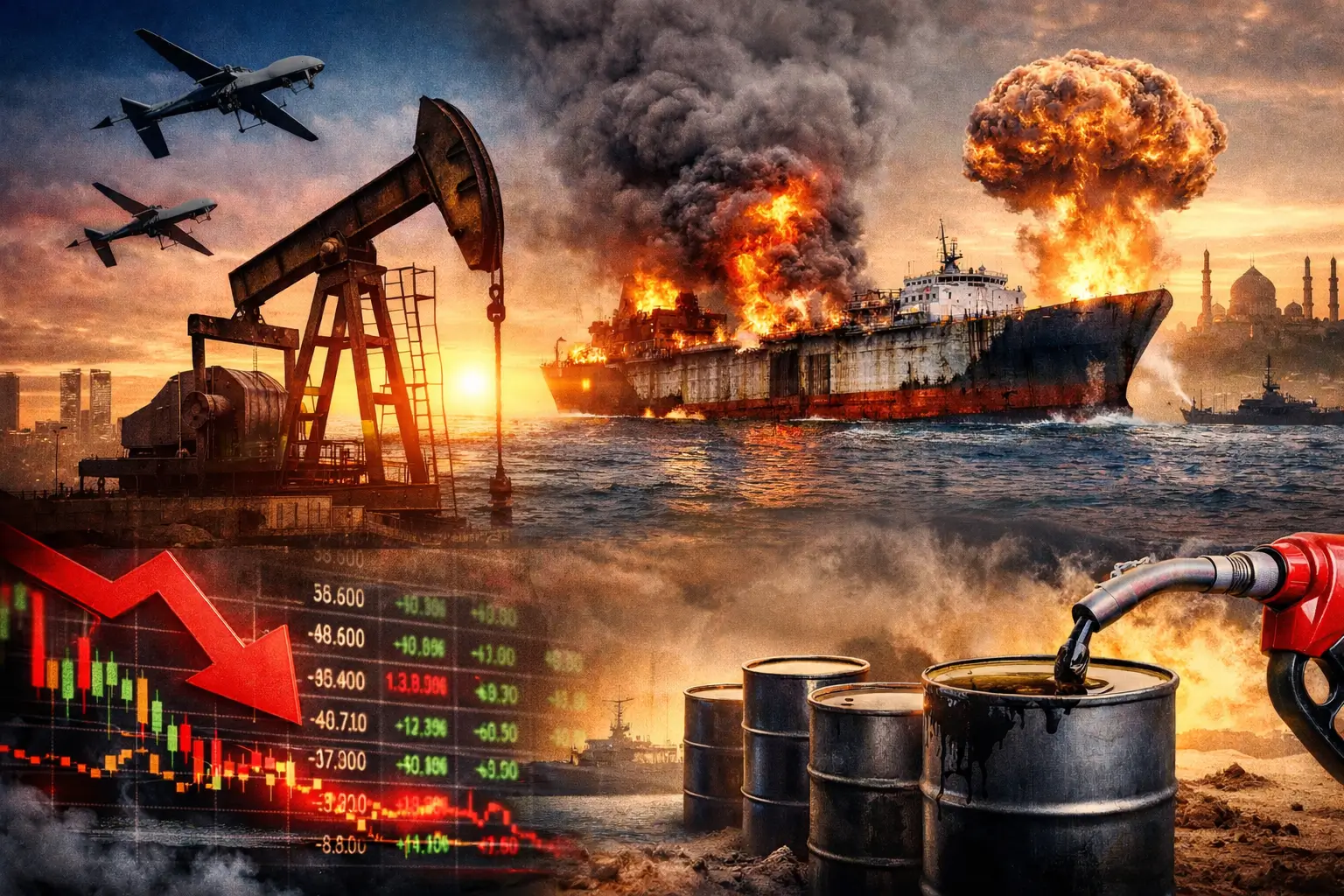
One of the most immediate consequences of rising tensions in the Middle East is the sharp volatility in global energy markets.
Oil prices have recently climbed above $100 per barrel, marking the first time since 2022 that crude has reached this level. The surge reflects growing fears that supply from the Middle East could be disrupted if tensions continue to escalate.
Energy producers across the region are also facing operational challenges due to security concerns. Some countries have been forced to reduce output or temporarily suspend exports of oil and liquefied natural gas.
These developments are tightening global supply conditions and increasing pressure on energy-importing nations.
Energy analysts warn that a prolonged disruption in the Strait of Hormuz could trigger a major shock to the global economy.
Industry leaders have cautioned that blocking the waterway—even temporarily—could have catastrophic consequences for oil markets and global supply chains.
Higher oil prices would likely impact multiple sectors, including:
Aviation
Shipping and logistics
Manufacturing
Agriculture
Global supply chains
In addition, rising energy costs could reignite inflationary pressures in major economies, forcing central banks to maintain tighter monetary policies for longer than expected.
Global financial markets are closely monitoring developments in the Middle East.
Several key trends have already begun to emerge:
Energy stocks are experiencing strong gains
Equity markets are showing increased volatility
Investors are shifting capital into safe-haven assets such as gold and the US dollar
Meanwhile, governments within the G7 are reportedly considering the possible release of strategic petroleum reserves to stabilize global supply in the event of severe disruptions.
In the near term, the direction of global energy markets will largely depend on the security situation surrounding the Strait of Hormuz.
If shipping routes remain open and tensions ease, oil prices could stabilize. However, if the conflict intensifies or spreads across the region, markets may face a prolonged period of instability.
For energy-importing nations, the situation presents a complex challenge: balancing inflation control, economic growth, and long-term energy security.
The recent developments serve as a reminder of the fragility of the global energy system—where disruptions at a single strategic chokepoint can reverberate across the entire world economy.