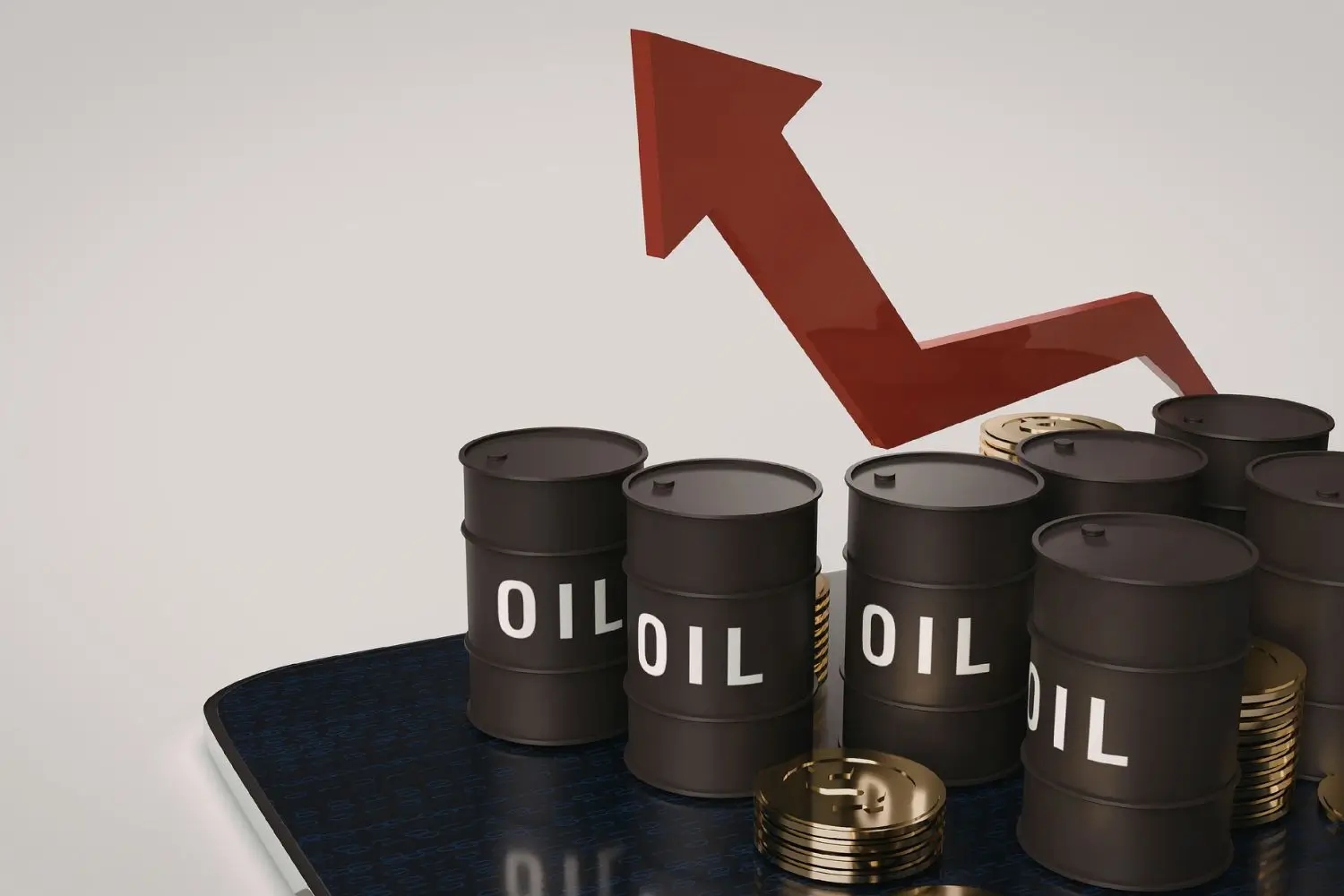
Amid escalating geopolitical tensions in the Middle East, particularly around the critical Strait of Hormuz, global oil shipping costs have surged dramatically, signaling rising instability in one of the world’s most vital energy corridors.
In just one week, freight rates for Very Large Crude Carriers (VLCCs) transporting oil from the Persian Gulf to China have jumped by 50%. According to industry data, rates rose by 22 points on the Worldscale (WS) index—an international measure of tanker rates—reaching 75 points on a base scale of 100. This translates to a time-charter equivalent (TCE) of over $57,000 per day, compared to just $21,000 per day on June 11.
Brent crude futures also spiked, climbing to $76.42 per barrel on June 22, up from the previous close of $73.84.
The dramatic price surge stems largely from fears that Iran may move to shut down the Strait of Hormuz—a narrow but strategic waterway linking the Persian Gulf with the Arabian Sea and global shipping lanes. According to the Strauss Center for International Security and Law at the University of Texas, approximately 17 million barrels of oil pass through the strait daily, representing about 25% of the world’s total oil supply.
On June 22, Iran’s parliament approved a plan to close the Strait, although final authorization still requires sign-off from national security officials. This came just a day after reports emerged that the U.S. had carried out airstrikes on Iranian nuclear facilities, further inflaming tensions.
U.S. Secretary of State Marco Rubio has urged China—Iran’s largest oil customer—to pressure Tehran into keeping the Strait open. Washington has also warned of strong retaliatory measures if the vital shipping route is blocked, marking the first such closure threat since 1984.
Despite growing risks, major container shipping lines like Denmark’s Maersk and France’s CMA CGM continue to operate through the region. Gulf countries account for only 2–3% of total global container volume annually, but industry observers note the potential for broader disruption if the situation deteriorates.
Maersk stated it is “closely monitoring the situation,” especially regarding U.S. involvement in the conflict, and remains ready to adjust operations if needed. The company also emphasized ongoing security risk assessments for vessels in the region.
CMA CGM confirmed that its shipping and logistics operations remain unaffected, maintaining full service coverage across all routes and ports in the Gulf.
With the world watching closely, analysts warn that any disruption to the Strait of Hormuz could spark a significant shock to global supply chains, triggering surges in oil prices and transportation costs worldwide.
The current crisis underlines the urgent need for diversified supply routes and enhanced maritime security strategies. As geopolitical fault lines deepen, the energy and shipping sectors brace for potentially turbulent weeks ahead.

.jpg)

.png)
 Tiếng Việt
 English