.png)
 Tiếng Việt
 English


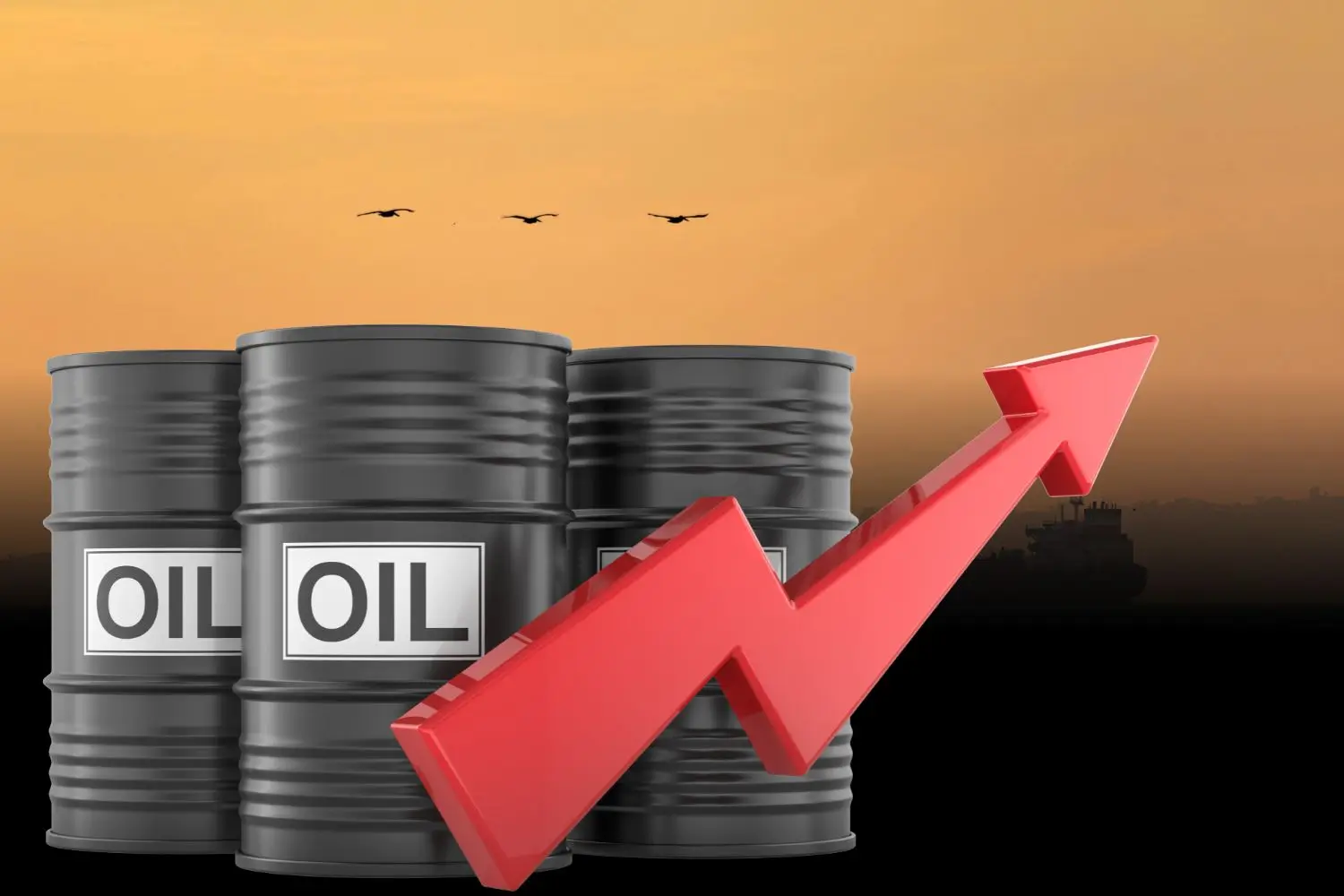
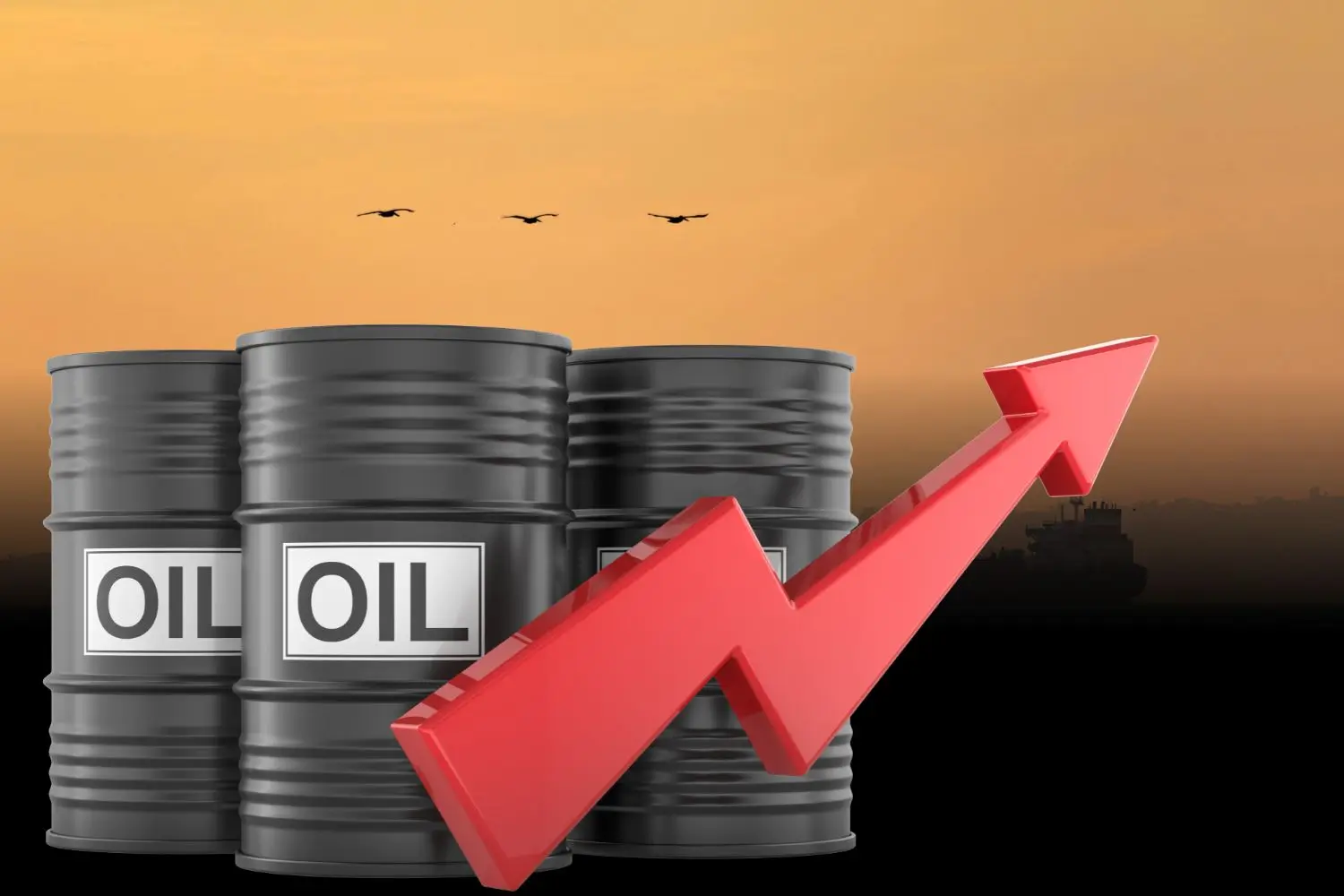 Global oil markets have entered one of the most volatile periods in years as crude prices surge past $100 per barrel, driven by escalating conflict in the Middle East and growing fears of supply disruptions. The sharp rally has sent shockwaves through global financial markets, raising concerns about inflation, economic stability, and energy security.
Analysts warn that if the conflict continues to escalate or shipping routes remain disrupted, the world could face the largest energy supply shock since the 1970s oil crisis.
Benchmark Brent crude oil has climbed above the key psychological threshold of $100 per barrel, marking its highest level since mid-2022. During the week, prices briefly surged to $119.50 per barrel, reflecting a sharp rise in geopolitical risk premiums.
The price spike represents a dramatic increase compared with earlier expectations for 2026. Major financial institutions, including Goldman Sachs, have already revised their forecasts, predicting Brent could average above $100 per barrel in March as market volatility intensifies.
Meanwhile, U.S. benchmark West Texas Intermediate (WTI) has also climbed significantly, reinforcing the global surge in energy prices.
Oil markets are now experiencing their strongest weekly gains in years, with Brent and WTI both heading for double-digit percentage increases.
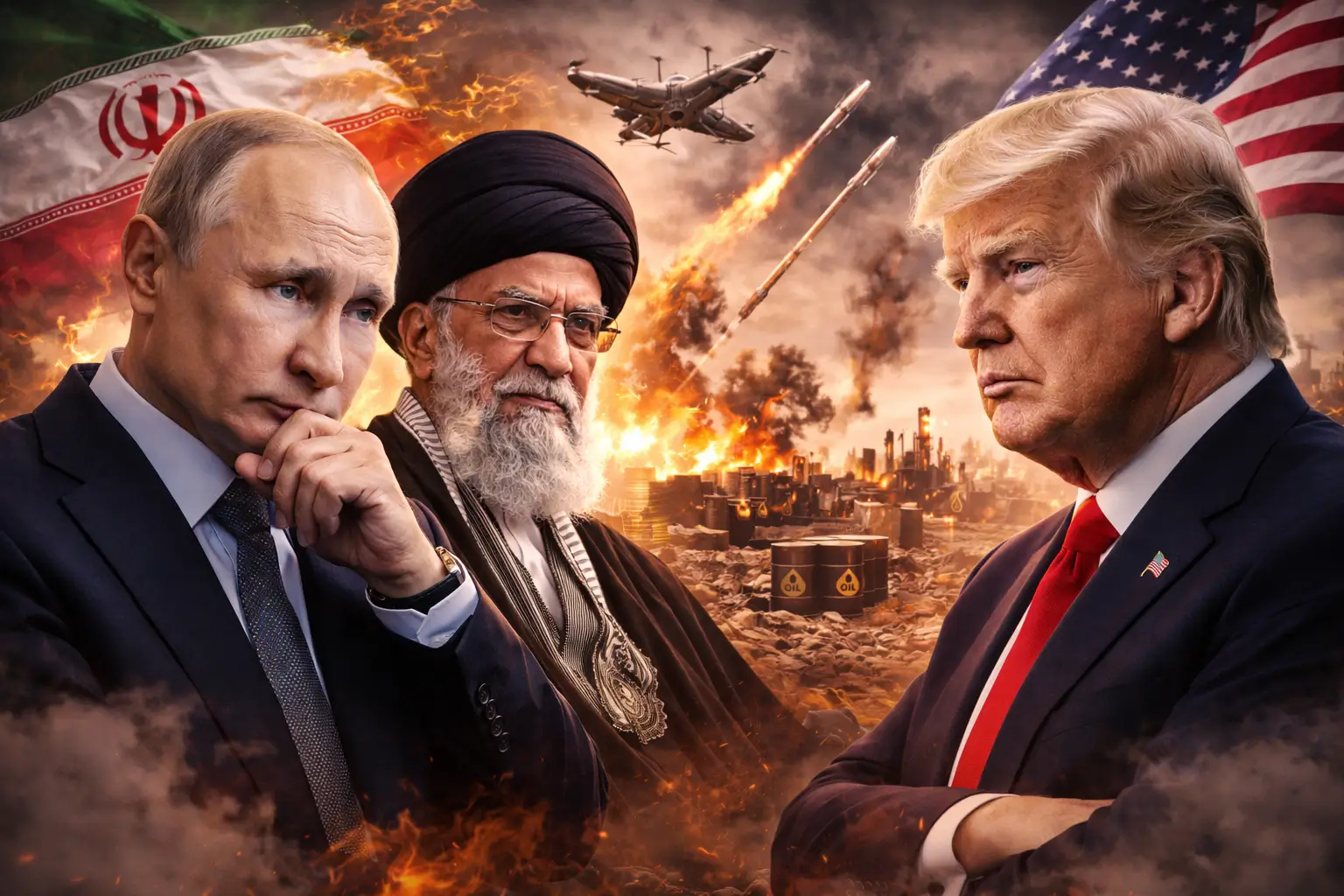
The main catalyst behind the oil rally is the ongoing conflict involving Iran, which has severely disrupted energy infrastructure and global shipping routes.
The war has triggered attacks on oil facilities, tanker routes, and transport hubs across the region, forcing producers to reconsider their export strategies.
In addition, several Gulf oil producers have had to reduce output because crude cannot be transported safely through the region’s main shipping lanes.
Energy analysts warn that the conflict has created one of the most serious threats to global energy supplies in decades, potentially leading to a sustained supply deficit.
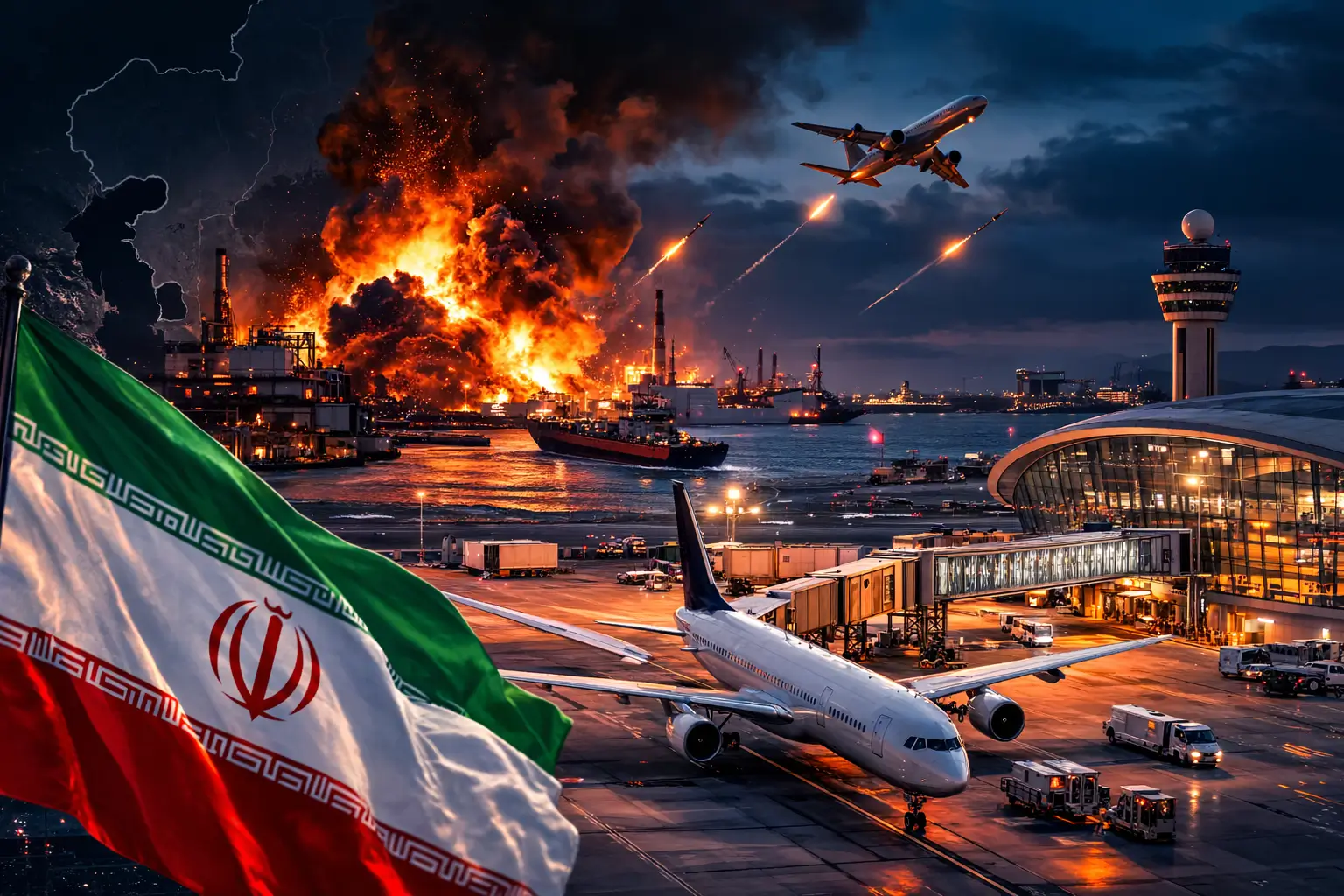
One of the most critical developments affecting oil markets is the disruption in the Strait of Hormuz, a narrow waterway between Iran and Oman that serves as a vital corridor for global energy trade.
Approximately 20% of the world’s daily oil supply passes through this strait, making it one of the most strategically important shipping routes in the global economy.
Since late February 2026, military tensions and attacks on commercial vessels have drastically reduced tanker traffic in the region. Shipping through the strait has dropped sharply, with many vessels forced to anchor outside the area due to safety concerns.
The near-shutdown of this route has severely disrupted energy exports from major producers such as Saudi Arabia, Iraq, and Kuwait.
Energy experts warn that if the strait remains blocked for an extended period, global oil prices could surge even higher, potentially triggering a broader economic crisis.
The conflict has also directly impacted oil infrastructure across the Gulf region.
In early March, a major refinery in Saudi Arabia’s Ras Tanura energy complex was targeted by drone attacks. Although damage was limited, operations were temporarily halted for security reasons, disrupting exports and contributing to a spike in global oil prices.
Meanwhile, tanker attacks and drone strikes in nearby regions have further heightened market anxiety.
These incidents highlight the vulnerability of energy infrastructure in geopolitically sensitive areas and reinforce the risk that the conflict could escalate into a broader energy crisis.
The rapid increase in oil prices is already having ripple effects across global markets.
Higher energy costs can quickly translate into higher transportation, manufacturing, and food prices, creating inflationary pressure for both developed and emerging economies.
Economists warn that sustained oil prices above $100 per barrel could significantly increase inflation rates worldwide. If the supply disruption continues, global inflation could rise by nearly 1 percentage point, according to economic estimates.
Financial markets have already begun reacting to these risks, with stock indices declining and bond yields fluctuating amid growing uncertainty.
For central banks, the situation presents a difficult dilemma: tightening monetary policy to control inflation could slow economic growth, while easing policy risks allowing inflation to spiral.
To prevent an extreme energy shock, governments and international organizations are considering emergency measures.
The International Energy Agency (IEA) has already discussed releasing large volumes of oil from strategic reserves to stabilize global supply and reduce market volatility.
However, experts caution that these reserves can only provide temporary relief. If disruptions in the Middle East continue, supply shortages could persist despite emergency releases.
Some energy producers are attempting to reroute exports through alternative ports or pipelines, but these solutions cannot fully replace the capacity of the Strait of Hormuz.
Despite the current price surge, analysts believe oil markets could stabilize later in the year if geopolitical tensions ease.
Goldman Sachs expects oil prices to gradually decline toward the low $70 range by the end of 2026, assuming shipping routes reopen and supply flows normalize.
However, the outlook remains highly uncertain.
If the conflict escalates further or if energy infrastructure continues to face attacks, oil prices could remain elevated for an extended period. In extreme scenarios, some analysts warn prices could even approach $150–$200 per barrel if the Strait of Hormuz remains closed for a prolonged period.
The surge in oil prices above $100 per barrel reflects a rapidly evolving geopolitical crisis that is reshaping global energy markets.
With the Middle East conflict disrupting supply routes, threatening key infrastructure, and destabilizing shipping lanes, oil markets are entering a period of heightened uncertainty.
For investors, policymakers, and businesses alike, the coming months will be critical. The direction of oil prices will depend largely on whether tensions ease or escalate further in one of the world’s most strategically important energy regions.
Until then, volatility is likely to remain the defining feature of the global oil market.