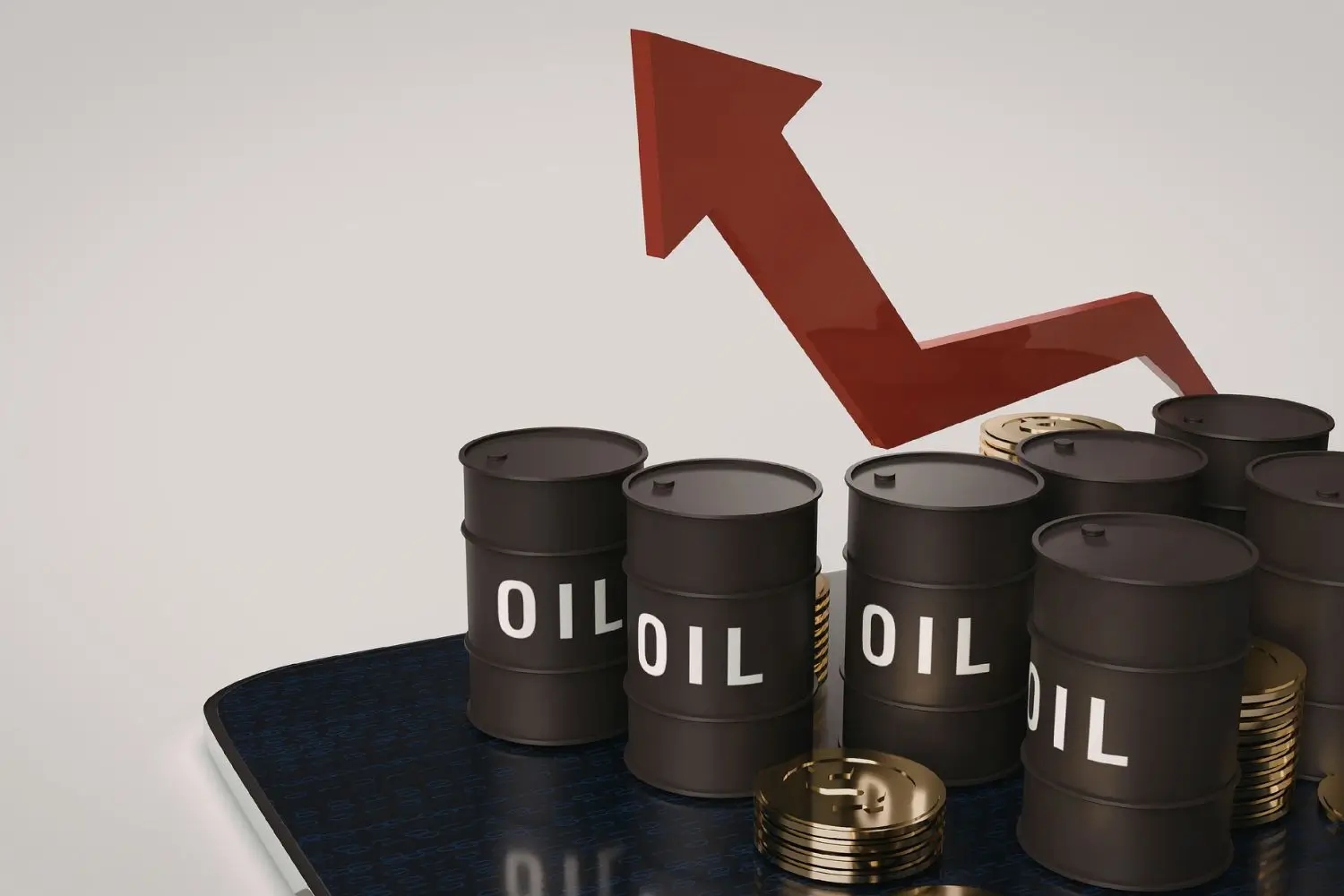
Crude oil prices fell more than 2% on Friday, August 1st, as speculation mounted that the Organization of the Petroleum Exporting Countries (OPEC) and its allies could soon increase production.
At the close of trading, Brent crude futures dropped $2.03 (or 2.83%) to $69.67 per barrel, while West Texas Intermediate (WTI) lost $1.93 (or 2.79%) to settle at $67.33 per barrel.
According to three sources familiar with ongoing discussions between OPEC and its key allies, including Russia, a deal to raise output by 548,000 barrels per day (bpd) in September 2025 could be signed as early as August 3rd. However, a fourth source close to the negotiations noted that talks are still in progress and the final increase could be smaller.
These developments have sparked concerns of a potential supply surplus, especially as global demand has not fully rebounded, with China — the world's largest energy consumer — still showing mixed economic signals.
Oil markets also reacted to trade-related developments in the United States. On July 31st, President Donald Trump signed an executive order imposing tariffs ranging from 10% to 41% on imports from dozens of countries and territories that failed to reach trade agreements with the U.S. by his August 1st deadline. Affected countries include Canada, India, and Taiwan.
Meanwhile, several major trade partners — including the European Union (EU), South Korea, Japan, and the United Kingdom — managed to strike deals in time to avoid these tariffs.
Analysts believe that the sweeping tariffs could negatively impact global economic growth, which in turn may reduce energy consumption. The fear of escalating trade tensions has also increased volatility in the commodity markets, with crude oil among the most vulnerable.
Despite the overall downtrend, oil prices earlier in the week found some support from strong rhetoric by President Trump against Russia. Specifically, he threatened to impose 100% secondary tariffs on countries buying Russian crude oil as a means to pressure Moscow into ending the war in Ukraine.
While no formal action has been taken yet, the threat alone has raised fears of potential disruptions to global oil flows, with some Russian exports possibly being removed from the market — which could lead to tighter supply and push prices upward.
According to analysts at JPMorgan, if the U.S. goes through with sanctions against China and India for purchasing Russian oil, as many as 2.75 million bpd of Russian exports could be at risk. This is significant considering that China and India are the second- and third-largest oil consumers globally, respectively.
Any disruption in oil imports to these countries could have major ripple effects across global energy markets.
Recent events highlight how oil prices are increasingly influenced by geopolitics and global policy decisions, beyond the traditional supply-demand dynamics. With major powers now deploying tariffs and sanctions as instruments of foreign policy, forecasting crude prices has become increasingly complex.
In the short term, if OPEC+ formalizes its decision to raise output, further downward pressure on prices is likely. However, geopolitical risks — particularly related to Russia and U.S.-China relations — may offer temporary support and keep prices from plunging too sharply.
The sharp drop in oil prices on August 1st reflects a convergence of multiple factors: looming increases in OPEC+ output, new U.S. tariff measures, and ongoing concerns over the Russia-Ukraine conflict. In an environment marked by macroeconomic uncertainty and heightened political intervention, investors and businesses in the energy sector must remain vigilant, closely monitoring developments from OPEC+, the White House, and global diplomatic arenas in order to adapt their strategies effectively.

.jpg)

.png)
 Tiếng Việt
 English