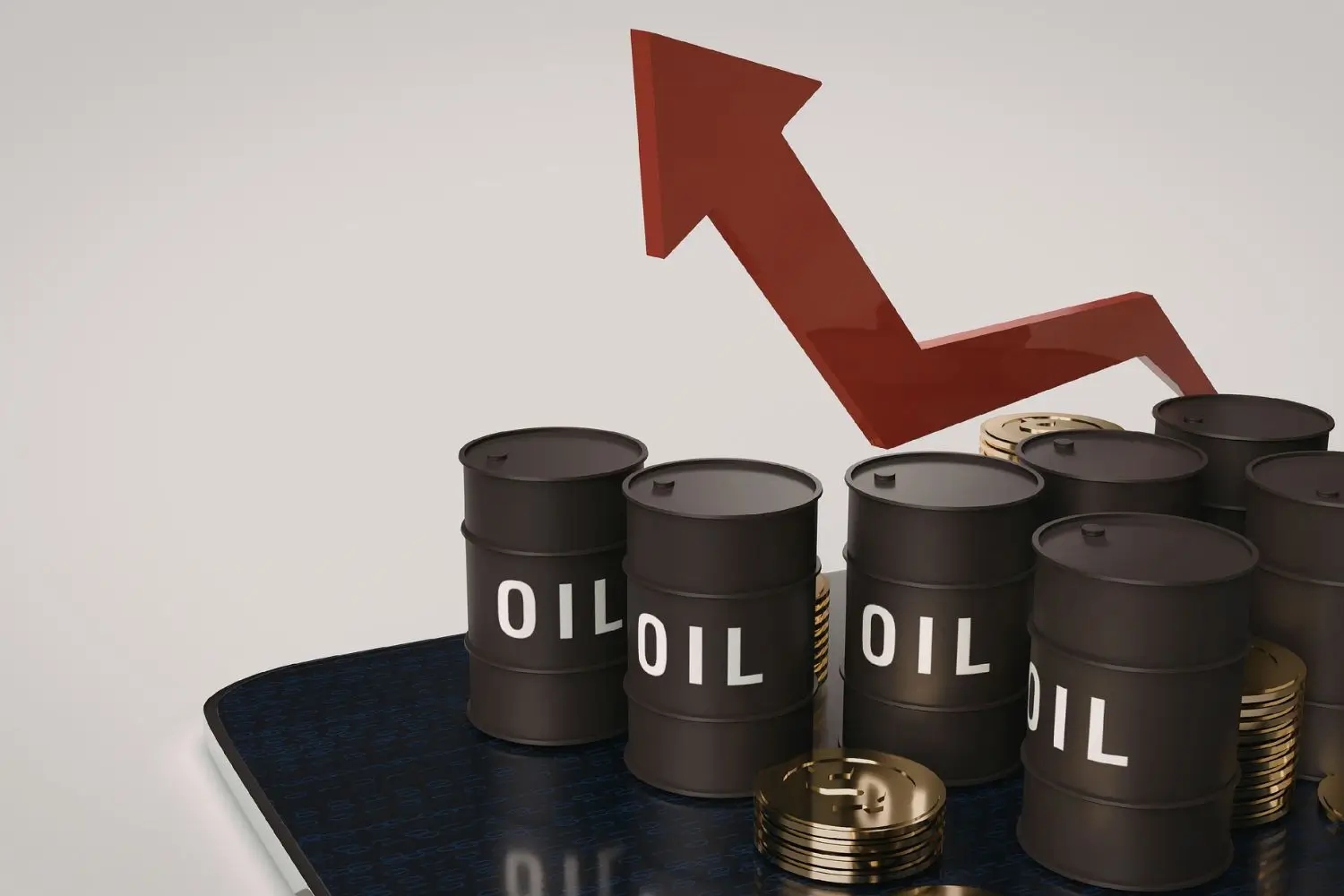
On October 10, 2025, oil prices edged lower after Israel and Hamas signed a ceasefire deal, easing the geopolitical “risk premium” that had supported prices in previous weeks. Despite the mild decline, both Brent and WTI crude benchmarks were still on track for modest weekly gains as traders balanced Middle East developments with OPEC+ policy and global demand signals.
According to Reuters, as of 03:38 GMT:
Brent crude slipped 7 cents to $65.15 per barrel.
U.S. West Texas Intermediate (WTI) fell 2 cents to $61.49.
The pullback came after Thursday’s 1.6% drop, driven by easing supply concerns following the Gaza ceasefire agreement between Israel and Hamas — a key factor in cooling oil’s recent risk-driven rally.
Still, both benchmarks were up roughly 1% for the week, recovering from the sharp losses seen in early October.
Markets reacted positively to Thursday’s truce between Israel and Hamas, marking the first stage of a U.S.-backed plan to end the prolonged Gaza conflict.
Under the agreement:
Both sides agreed to cease military operations.
Israel will partially withdraw forces from the Gaza Strip.
Hamas will release all remaining hostages in exchange for hundreds of Palestinian prisoners.
“The Gaza ceasefire marks a significant step toward ending the two-year conflict that had fueled fears of oil supply disruptions,” said Daniel Hynes, analyst at ANZ.
“This shift redirected attention back to the looming oil surplus as OPEC+ proceeds with unwinding production cuts.”
The easing in prices also reflects market focus on OPEC+ output adjustments.
With geopolitical risks declining, traders are again assessing fundamentals — particularly supply-demand balances.
Last Sunday, OPEC+ agreed to a smaller-than-expected output hike for November, slightly relieving oversupply fears but signaling that production growth could continue into early 2026.
While downside pressure has emerged, several factors helped limit the price drop:
On Wednesday, oil rose about 1%, reaching a one-week high after reports of stalled Ukraine peace negotiations, which signaled that sanctions on Russia, the world’s second-largest oil exporter, could persist — tightening global supply.
Analysts at BMI Research noted:
“Market expectations for a sharp increase in crude supply have not materialized. The latest production uptick was smaller than previously feared, contributing to a slight rise in prices for the week.”
This implies that traders still see supply growth as moderate and manageable.
Another factor weighing on sentiment is concern over a prolonged U.S. government shutdown, which could slow the world’s largest economy and weaken oil demand.
As the United States remains the biggest crude consumer, any economic slowdown could ripple across global energy markets.
In the near term, the oil market sits at a fragile equilibrium between fading geopolitical risks and persistent supply-demand imbalances.
Prices are expected to remain volatile, tracking both Middle East headlines and OPEC+ policy adjustments in the weeks ahead.
This week’s mild oil price decline highlights how sensitive global energy markets remain to geopolitical events.
While the Gaza ceasefire brought temporary relief and reduced risk premiums, ongoing uncertainties surrounding Ukraine, OPEC+ supply decisions, and U.S. economic conditions continue to shape the market’s direction.
In the months ahead, traders and investors will need to watch whether easing tensions can sustain stability — or if new geopolitical flashpoints reignite volatility in oil markets.
1. How are oil prices moving today?
As of Friday morning, Brent crude fell by 7 cents to $65.15, while WTI slipped 2 cents to $61.49 per barrel.
2. Why did oil prices decline?
The Gaza ceasefire reduced the geopolitical risk premium, shifting market focus back to potential oversupply as OPEC+ unwinds production cuts.
3. What factors are preventing a deeper price drop?
Two main factors: the ongoing Ukraine war (and related sanctions on Russia) and OPEC+’s smaller-than-expected November production increase.
4. What risks could push oil prices lower ahead?
A prolonged U.S. government shutdown or weaker global demand could pressure prices further in late 2025.

.jpg)

.png)
 Tiếng Việt
 English