.png)
 Tiếng Việt
 English


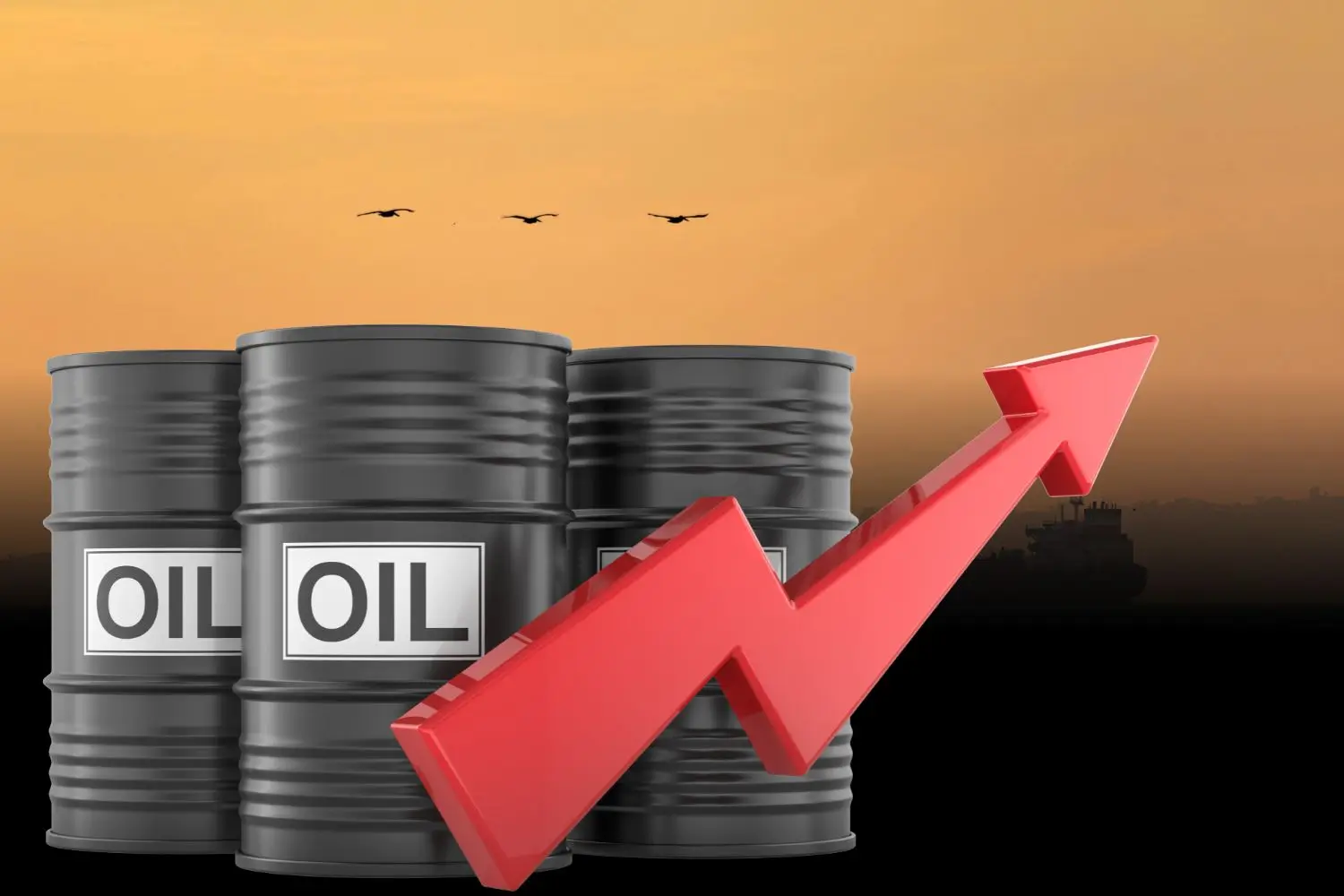
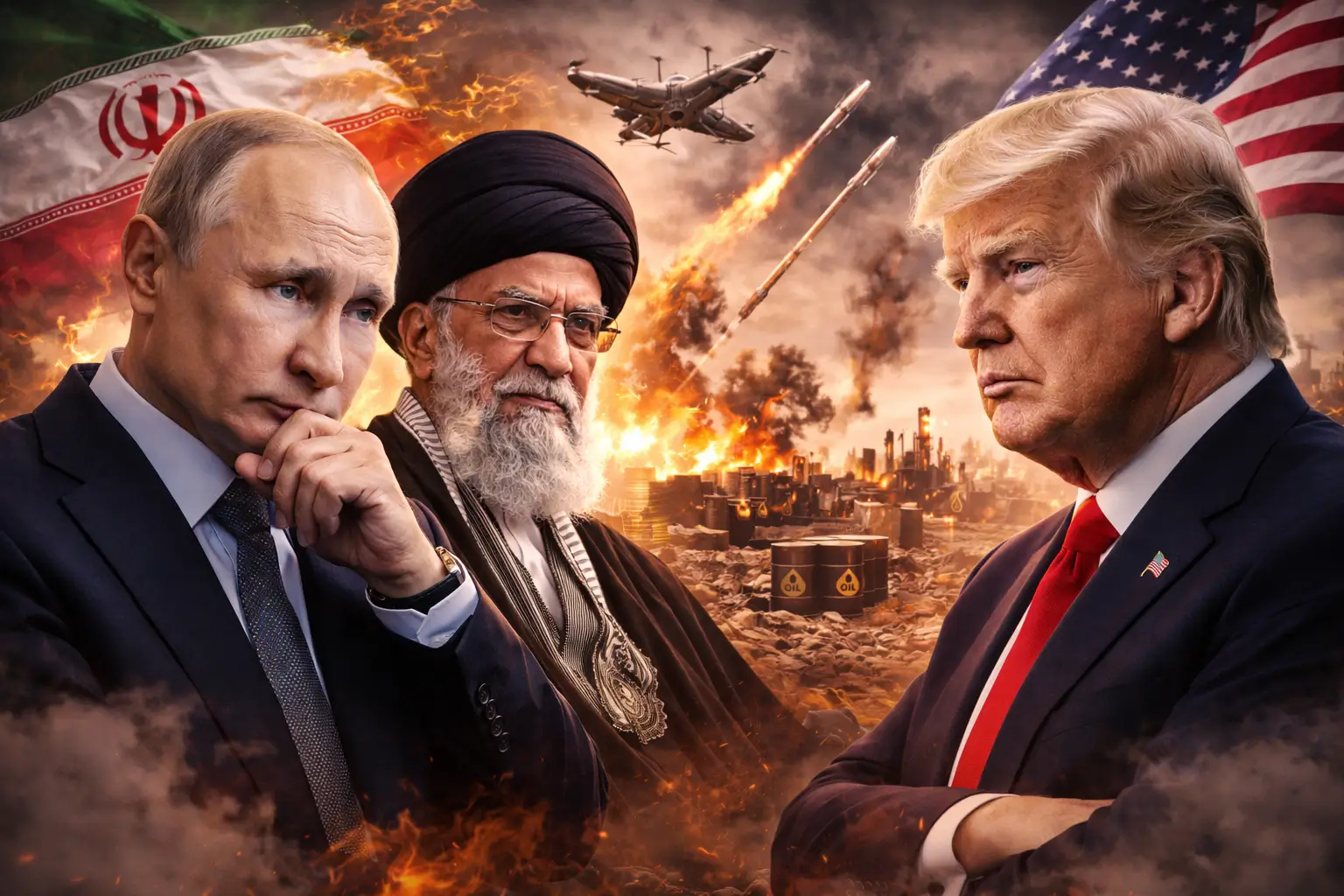
 Global energy markets are entering a period of intense volatility as oil prices climb above the $100-per-barrel threshold for the first time in years. The surge comes amid escalating tensions in the Middle East, where ongoing military confrontations involving the United States, Israel, and Iran are threatening critical oil supply routes.
Analysts warn that if the conflict continues to intensify, the world could face a new energy crisis with far-reaching economic consequences, including rising inflation and the risk of a global slowdown.
In recent trading sessions, Brent crude, the global benchmark for oil prices, surged past $100 per barrel as markets reacted to mounting fears of supply disruptions in the Middle East.
Market data shows that Brent crude at one point jumped more than 10% to around $101.59 per barrel, following reports of attacks targeting oil tankers and energy infrastructure across the Persian Gulf.
The rally reflects growing concern among traders and investors that the conflict could significantly disrupt the transportation of oil through key maritime routes.
Energy market analysts say prices could continue climbing if the security situation in the region deteriorates further.
One of the biggest concerns for global oil markets is the potential disruption at the Strait of Hormuz, one of the most strategically important oil transit routes in the world.
Approximately 20% of the world’s oil supply passes through the narrow waterway every day, making it a vital artery for global energy trade.
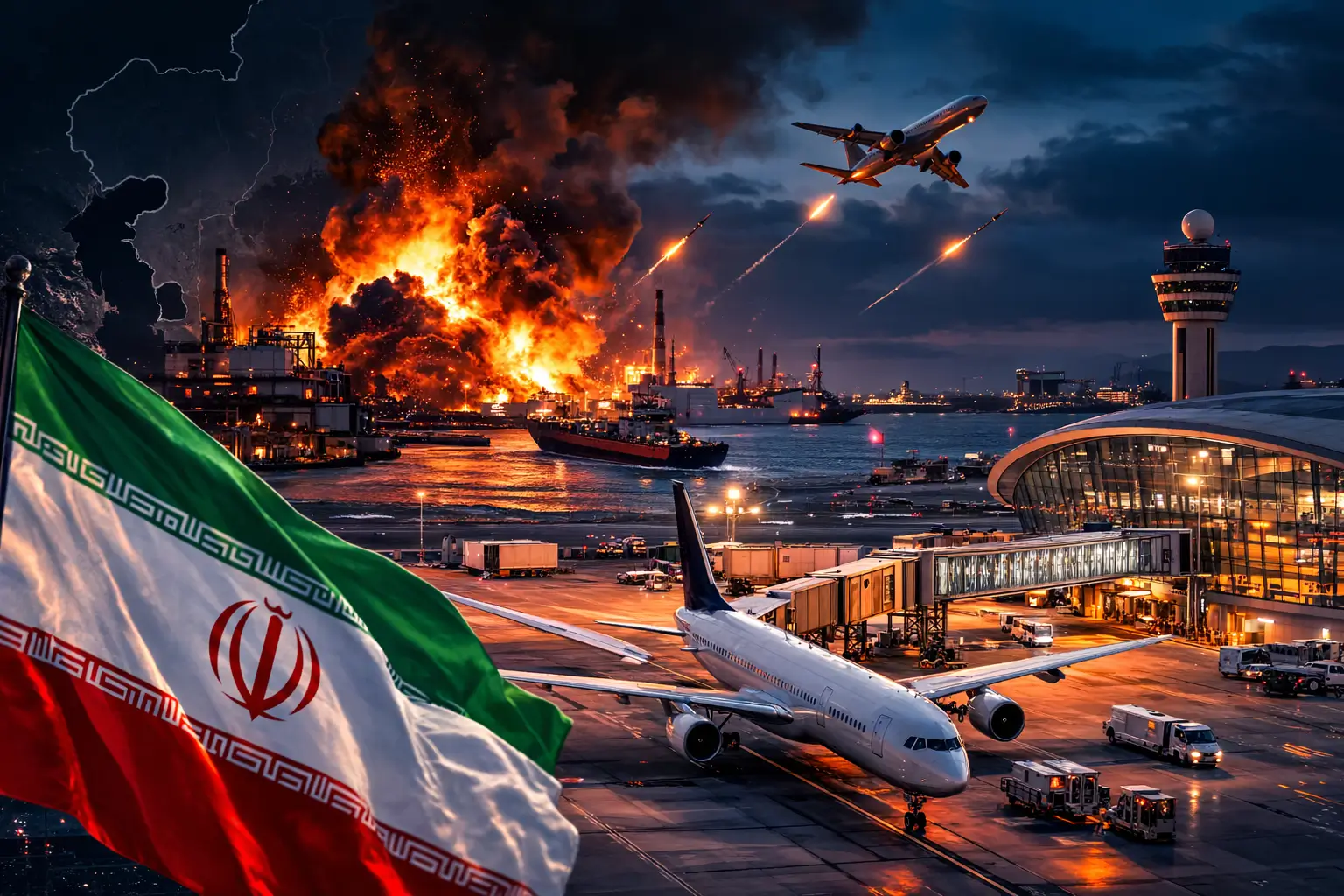
As military tensions rise, several oil tankers have reportedly been attacked or forced to reroute, leading to a sharp decline in shipping activity through the strait.
Experts warn that a complete blockade of the Strait of Hormuz could trigger a severe global energy shock.
Some forecasts suggest that in a worst-case scenario, oil prices could climb to $120–$150 per barrel if supply disruptions persist for an extended period.
The ongoing conflict in the Middle East is already beginning to impact global oil production and exports.
According to several industry estimates, disruptions to production and shipping could remove between 8 and 10 million barrels of oil per day from global markets.
Such a reduction would represent one of the largest supply shocks ever experienced by the oil industry.
Several oil-producing nations in the region have been forced to reduce output as energy facilities face security threats or logistical constraints.
Meanwhile, attacks on tankers and infrastructure across the Gulf are further complicating the flow of oil to global markets.
In response to growing concerns about a supply shortage, several governments and international organizations have begun implementing emergency measures to stabilize the market.
Member countries of the International Energy Agency (IEA) have reportedly agreed to release around 400 million barrels of oil from strategic reserves, marking one of the largest coordinated emergency releases in history.
The move aims to provide temporary relief to markets and offset some of the supply disruptions caused by the conflict.
However, many analysts believe the measure will only provide short-term support.
If the conflict continues to disrupt energy flows in the region, global strategic reserves could be depleted quickly and may not fully compensate for lost production.
The sharp rise in oil prices is not only affecting the energy sector but also putting significant pressure on global financial markets.
Historically, major oil price shocks tend to trigger a range of economic consequences, including:
Higher inflation
Rising transportation and production costs
Increased volatility in global stock markets
Greater risk of economic slowdown
Economists warn that if oil prices remain above $100 per barrel for an extended period, many governments may need to adjust economic policies or provide energy subsidies to protect consumers and businesses.
Major energy-importing economies such as China, India, Japan, and parts of Europe are expected to feel the strongest impact.
Beyond the energy market, the Middle East conflict could also have broader implications for the global economy.
Experts warn that prolonged disruptions to oil shipments through the Strait of Hormuz could lead to a period of stagflation, where high inflation coincides with slow economic growth.
Higher fuel costs would likely push up transportation expenses, manufacturing costs, and food prices worldwide.
As a result, governments may need to implement additional economic support measures to shield households and businesses from rising energy costs.
In the near term, the trajectory of oil prices will depend largely on geopolitical developments in the Middle East.
If tensions ease and shipping routes through the Strait of Hormuz return to normal operations, oil prices could gradually stabilize.
However, if the conflict intensifies or supply disruptions worsen, the global energy market could face a prolonged period of instability.
For now, investors and policymakers around the world are closely monitoring developments in the region, recognizing that the outcome could reshape the outlook for global energy markets and the broader economy.