.png)
 Tiếng Việt
 English


 Rising Tensions in the Middle East Raise Global Concerns
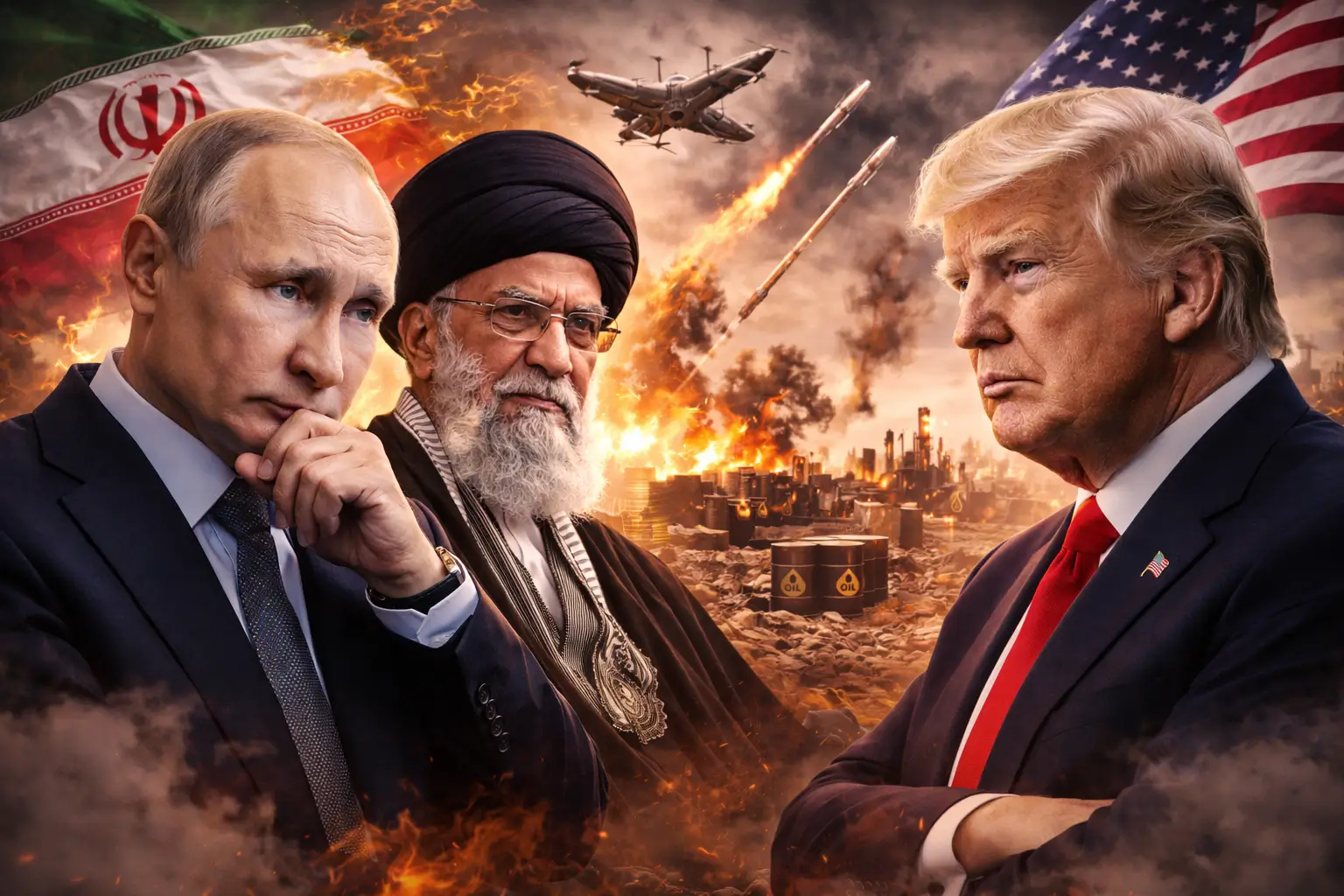
As military tensions intensify in the Middle East following coordinated strikes by the United States and Israel against Iran, Western officials are increasingly voicing concerns that Russia may be quietly supporting Tehran behind the scenes.
The accusations come at a time when geopolitical risks are already weighing heavily on global markets, particularly energy prices and investor sentiment. Analysts warn that if the conflict widens or external powers become more directly involved, the consequences could ripple across financial markets, supply chains, and international diplomacy.
While Moscow has not officially joined the conflict, recent statements from Western defense officials suggest that Russia’s involvement may be more subtle—but potentially significant.
According to officials in the United Kingdom, there are growing indications that Iran’s military tactics—particularly its use of drones—show similarities to Russian operational methods.
Grant Shapps, the United Kingdom’s defense secretary, recently stated that Iranian drone operations appear to carry a “Russian signature,” particularly in the way unmanned aerial systems are deployed on the battlefield.
Military analysts point specifically to the operational patterns of the Shahed-style drones used by Iran. These drones have previously been deployed extensively by Russia during the war in Ukraine, and their tactical application in the Middle East appears strikingly similar.
Western intelligence sources suggest that the overlap may indicate:
Shared technical knowledge
Training or strategic consultation
Tactical guidance based on battlefield experience
If confirmed, such cooperation could represent a new layer of geopolitical complexity in an already volatile region.
Drone technology has become a critical component of modern warfare, especially in asymmetric conflicts where traditional military advantages are limited.
Iran has long invested heavily in unmanned aerial systems, developing drones capable of long-range attacks and swarm tactics. However, Western defense officials now believe that certain operational methods resemble those used by Russian forces in Eastern Europe.
This includes:
Coordinated drone swarm attacks
Low-altitude flight patterns to evade radar
Long-distance strike capabilities targeting infrastructure
These similarities have prompted speculation that Russian military advisors or intelligence resources may be indirectly assisting Tehran.
While direct evidence remains limited, the growing pattern has triggered concern among NATO allies.
Russia’s potential involvement—whether direct or indirect—would align with its broader geopolitical strategy of counterbalancing Western influence.
Since the escalation of tensions between the West and Russia following the Ukraine war, Moscow has increasingly strengthened ties with countries that challenge U.S. geopolitical dominance.
Iran is one of those partners.
Strategic cooperation between Russia and Iran has expanded in several areas:
Energy coordination
Military technology exchanges
Regional security cooperation
Analysts say the Middle East conflict could provide Russia with an opportunity to stretch Western military and political resources across multiple fronts.
However, Moscow has so far avoided any official military commitment in the conflict.
Beyond the battlefield, the geopolitical tension carries significant implications for the global economy.
Financial markets are highly sensitive to geopolitical instability, particularly when the Middle East is involved due to the region’s critical role in global energy supply.
Several potential economic consequences are already being discussed by analysts:
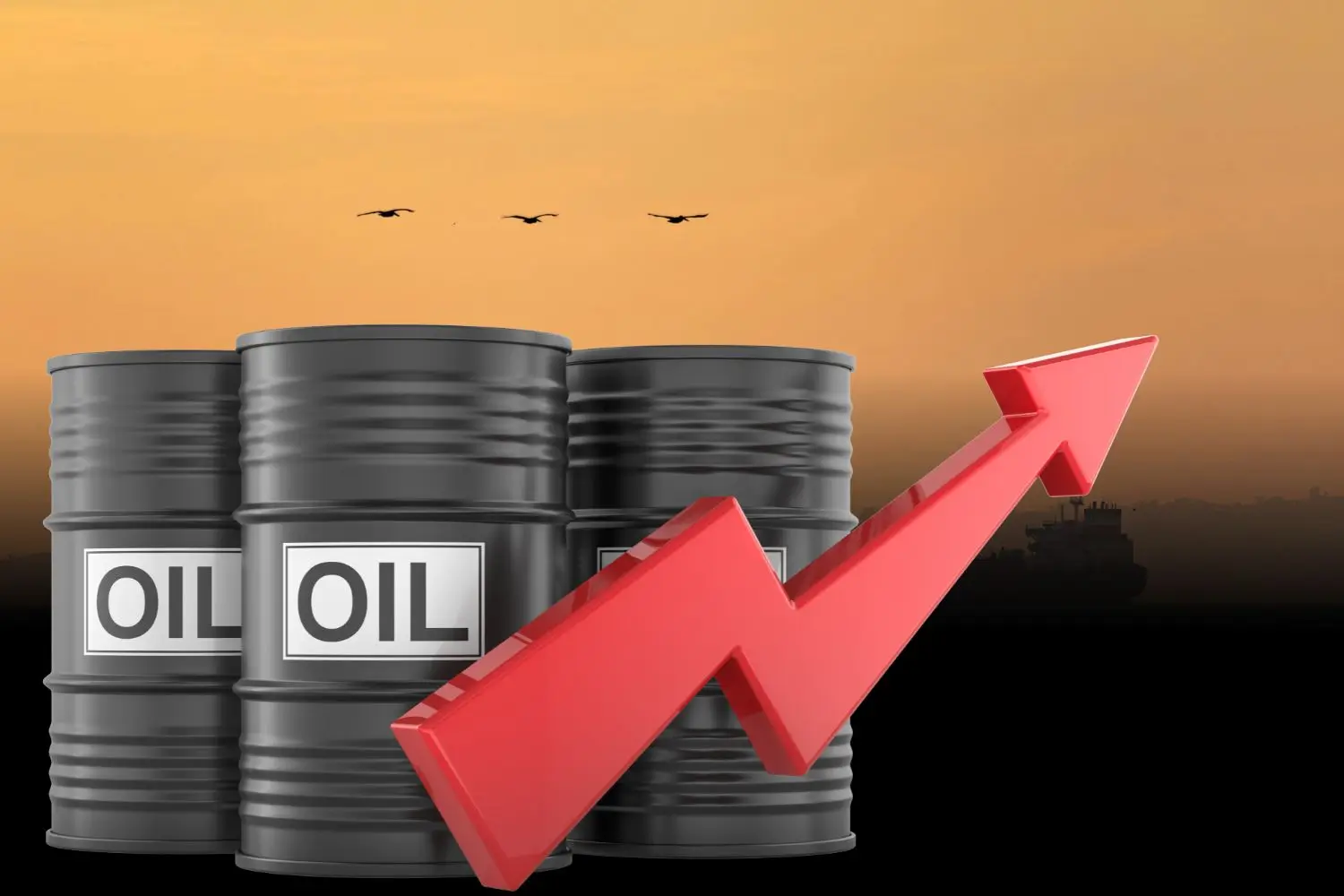
Iran is a major oil producer, and any escalation in the conflict could disrupt supply routes across the Middle East.
If shipping lanes or energy infrastructure were affected, oil prices could spike rapidly.
Higher energy prices would likely trigger:
Rising inflation globally
Increased transportation and production costs
Market volatility across equities and commodities
Periods of geopolitical tension often push investors toward traditional safe-haven assets such as:
Gold
U.S. Treasury bonds
The U.S. dollar
Such shifts can significantly alter capital flows and financial market dynamics.
If Western governments perceive Russia as indirectly influencing the conflict, NATO countries may accelerate defense spending.
Higher military budgets could reshape fiscal priorities in Europe and North America, influencing public spending and economic policy.
The allegations against Russia also carry potential diplomatic consequences.
If Western governments conclude that Moscow is actively assisting Iran, relations between Russia and Western nations could deteriorate even further.
Possible diplomatic responses could include:
Expanded sanctions against Russia
Increased military cooperation among NATO members
Stronger Western support for Israel and regional allies
Such developments would deepen the geopolitical divide that has already widened since the conflict in Ukraine.
At the same time, Russia may seek closer alignment with countries that challenge Western influence, further reshaping global alliances.
For many geopolitical analysts, the accusations highlight a broader strategic contest between major global powers.
Rather than a single regional conflict, the situation may represent a larger geopolitical struggle involving influence, energy resources, and global security architecture.
Experts warn that even indirect involvement by Russia could raise the stakes significantly.
If tensions continue escalating, the world could face a scenario where multiple geopolitical flashpoints—from Eastern Europe to the Middle East—become interconnected.
Such developments would increase uncertainty for global markets and policymakers alike.
At this stage, the allegations remain largely based on intelligence assessments and military analysis rather than publicly confirmed evidence.
However, financial markets and policymakers are watching developments closely.
Investors are particularly focused on:
Oil price movements
Energy supply disruptions
Military escalation in the region
Diplomatic responses from major global powers
Any further escalation could rapidly shift market sentiment.
For now, the conflict represents another reminder that geopolitical tensions remain one of the most unpredictable forces shaping the global economy.