.png)
 Tiếng Việt
 English


 Russia Struggles to Benefit from the Global Oil Price Rally
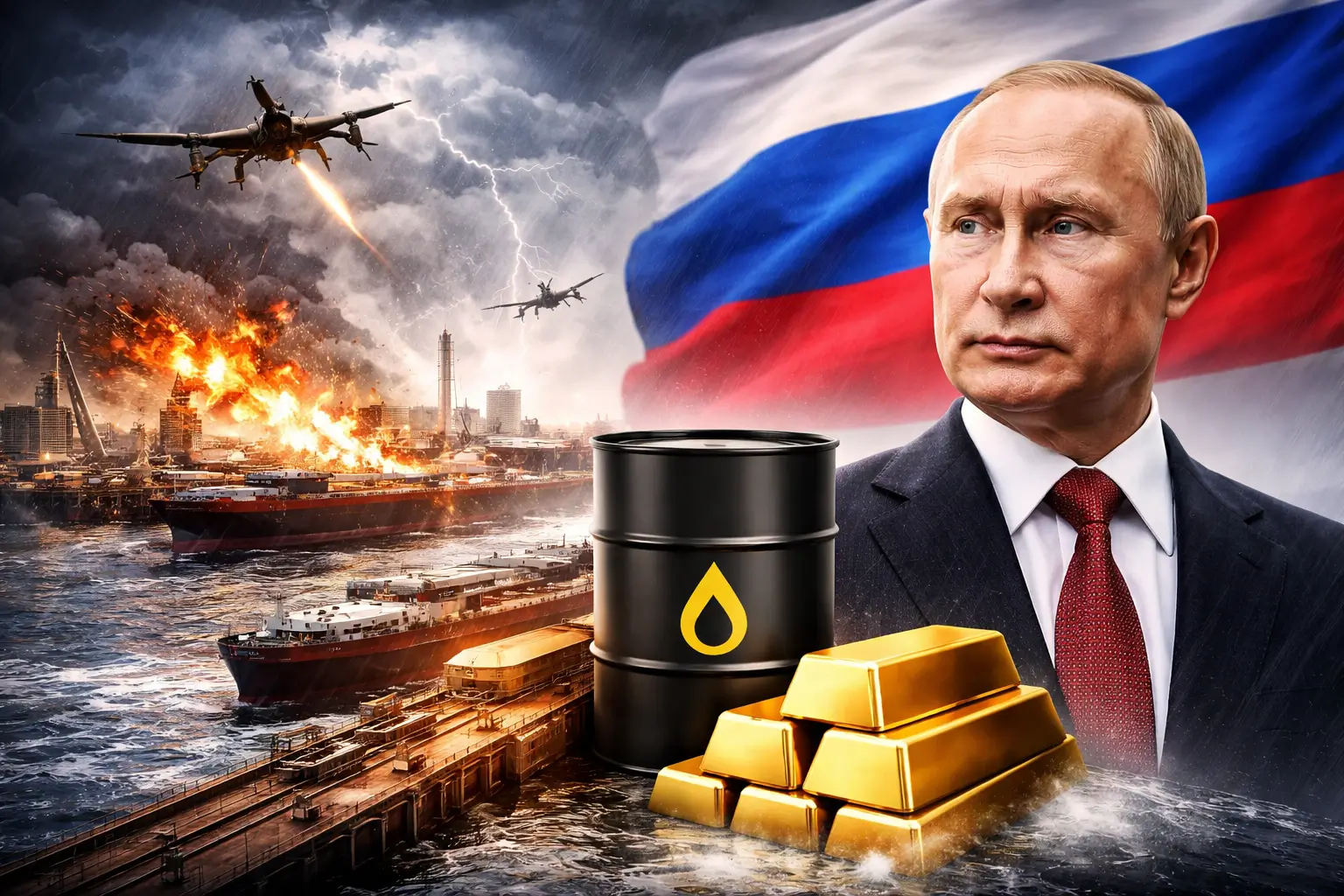
As global oil prices climb sharply amid escalating geopolitical tensions, Russia—one of the world’s largest oil exporters—is facing a paradox: it is unable to fully capitalize on the surge.
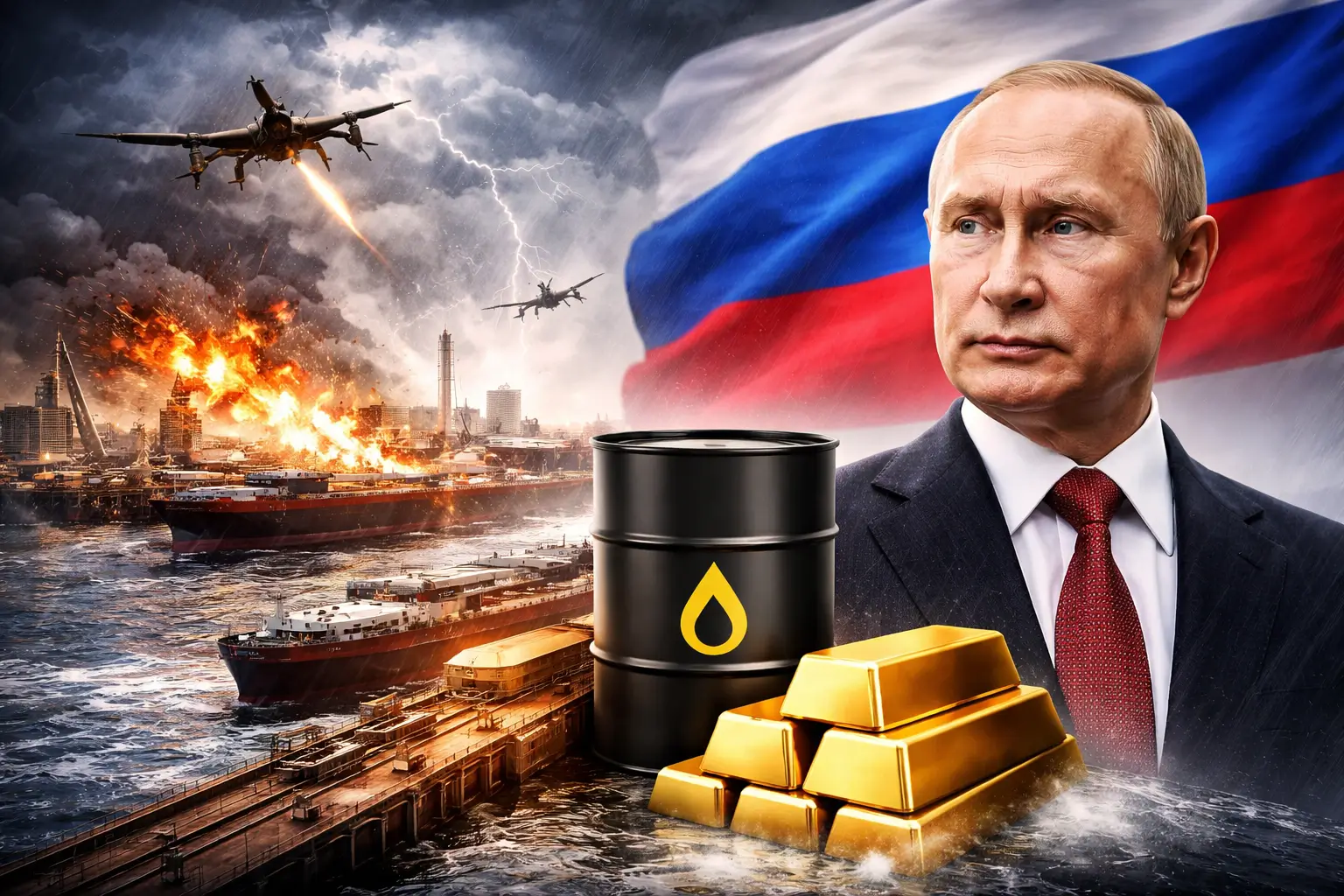
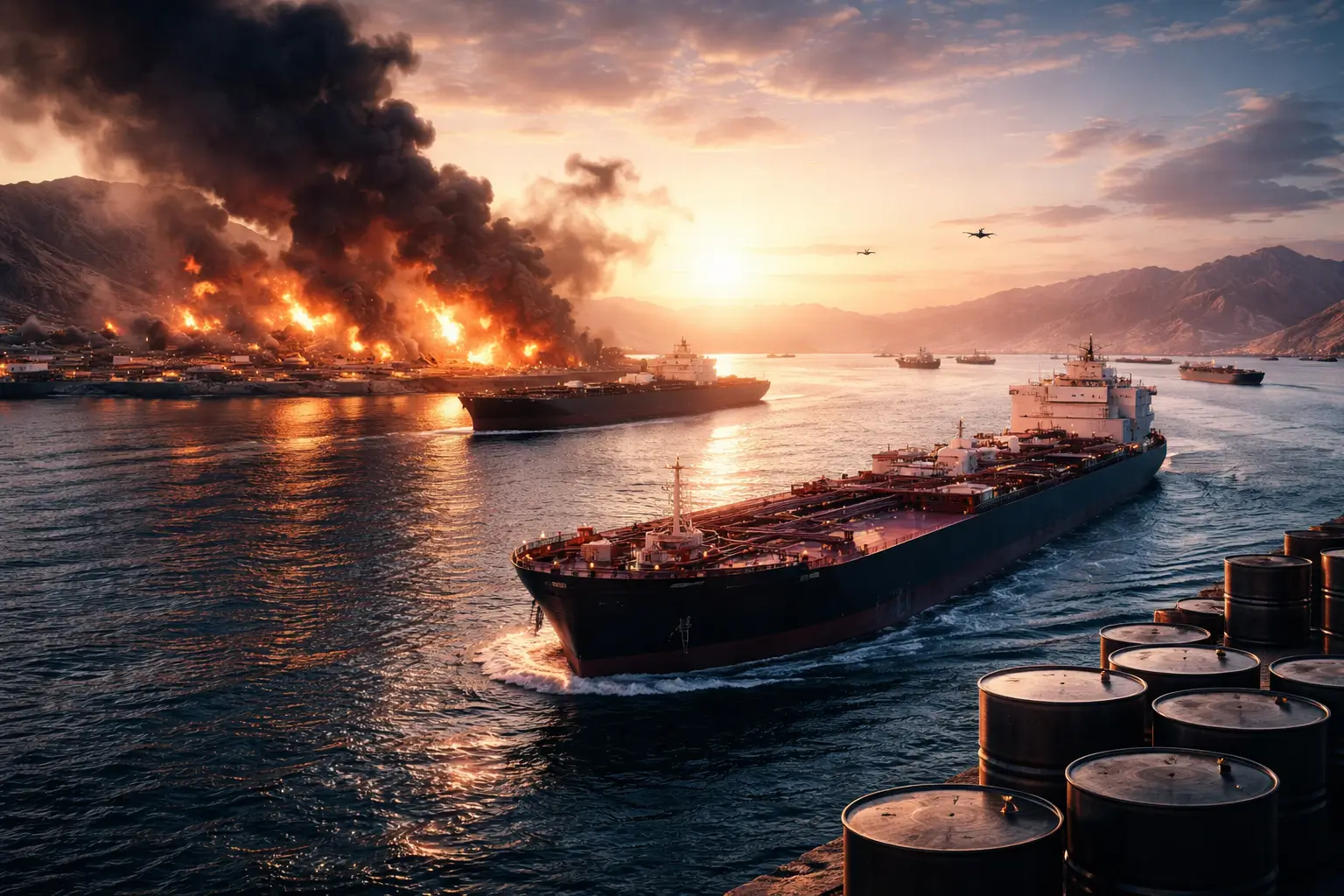
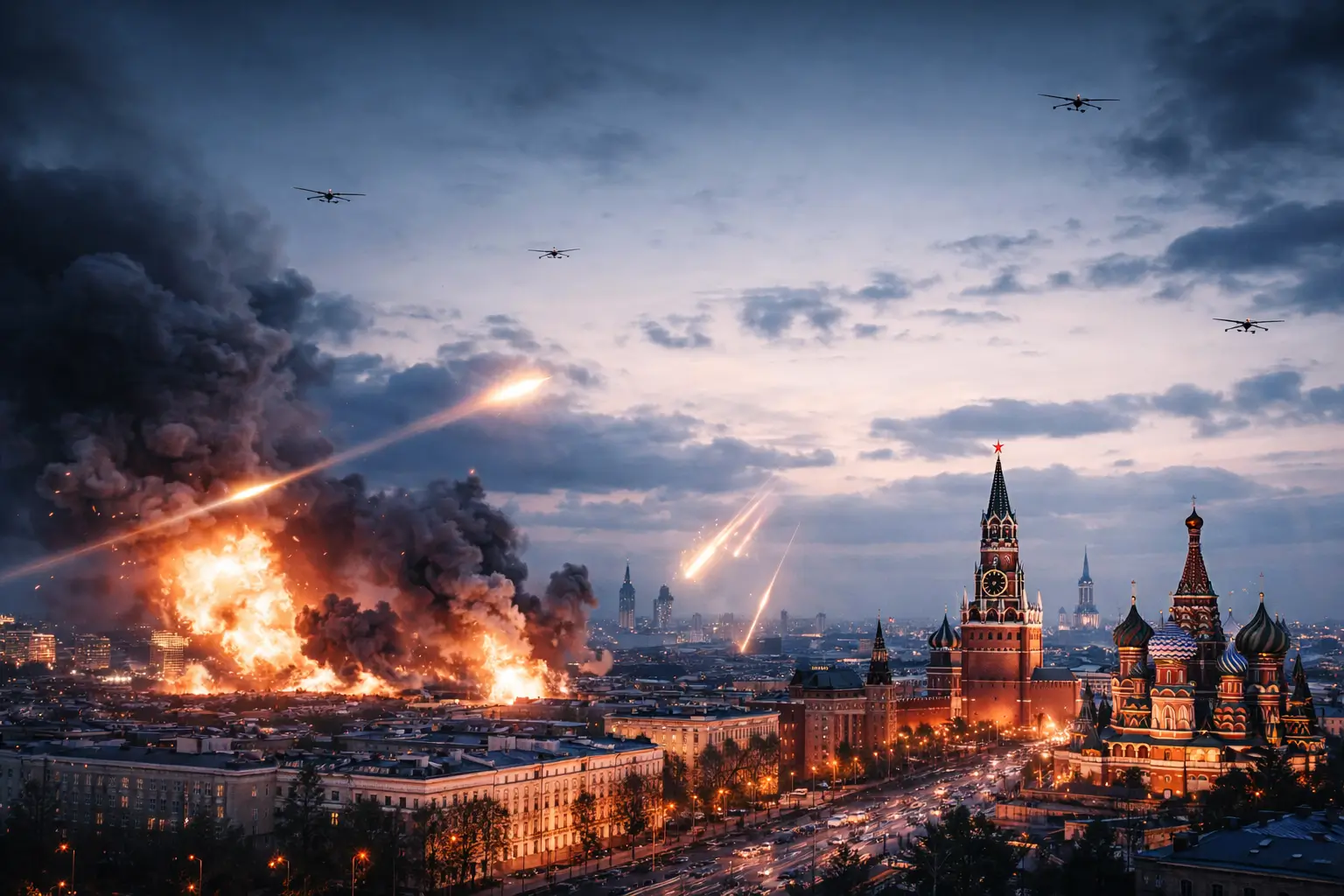
Recent data indicates that Russian oil exports have declined significantly, driven by a combination of adverse weather conditions, logistical bottlenecks, and increasingly frequent drone attacks targeting critical energy infrastructure.
According to energy market reports, Russia’s oil export operations have been disrupted for several consecutive days. Harsh weather conditions at key export ports have delayed shipments, while drone strikes have added further strain to already fragile logistics networks.
Oil shipment volumes from Russia have reportedly dropped to around 1.7 million barrels per day, well below normal levels. Notably, some export activities have been suspended for up to 10 days, creating a significant gap in global supply chains.
These developments highlight how even major energy producers are increasingly vulnerable to modern, non-traditional risks in today’s geopolitical landscape.
While supply disruptions support higher oil prices globally, the benefits of this rally are not evenly distributed. Countries with stable logistics and resilient supply chains are better positioned to capitalize on elevated prices, whereas Russia is struggling to translate higher prices into actual revenue.
This reflects a shifting dynamic in the global energy market: price alone is no longer the decisive factor—operational efficiency and risk resilience have become equally critical.
Recent developments underscore the growing influence of geopolitical factors on oil markets. Drone attacks, regional conflicts, and threats to strategic shipping routes are emerging as key drivers of price volatility.
Amid ongoing tensions in the Middle East, the risk of further supply disruptions remains high. This not only impacts oil prices but also increases volatility across broader financial markets.
As a major energy supplier, Russia is directly exposed to these risks, with its infrastructure and export operations increasingly becoming targets in a more complex security environment.
One of the most critical takeaways is the rising importance of logistics in the energy sector. Prolonged export disruptions highlight the vulnerability of global oil supply chains.
Analysts warn that such disruptions may not be temporary. If geopolitical instability persists, transportation costs, insurance premiums, and infrastructure protection expenses are likely to rise, contributing to further market volatility.
For Russia, this implies an urgent need to restructure its logistics network and strengthen the protection of critical supply chain nodes.
The combination of elevated oil prices and supply disruptions is pushing global energy markets into what many analysts describe as a “dual risk” phase.
On one hand, higher oil prices fuel inflationary pressures worldwide. On the other, unstable supply conditions make the market increasingly unpredictable, amplifying price swings.
In this environment, investors and businesses must adapt their strategies, focusing not only on price trends but also on geopolitical developments and operational risks.
Despite remaining a major force in global oil markets, Russia now faces growing pressure to adapt to a rapidly evolving environment.
Strengthening resilience against geopolitical risks, investing in more secure infrastructure, and diversifying export routes will be essential for Russia to better capitalize on future opportunities.
In the short term, continued disruptions could prevent Russia from fully benefiting from high oil prices—traditionally a key driver of its economic strength.
The current state of the oil market reflects a structural shift: from a system driven primarily by supply and demand to a more complex ecosystem shaped by geopolitics and logistics.
Russia’s situation serves as a clear example. Rising oil prices no longer guarantee increased profits if supply chains are disrupted. In an increasingly volatile world, adaptability and risk management will determine who truly benefits from the global energy market.