.png)
 Tiếng Việt
 English


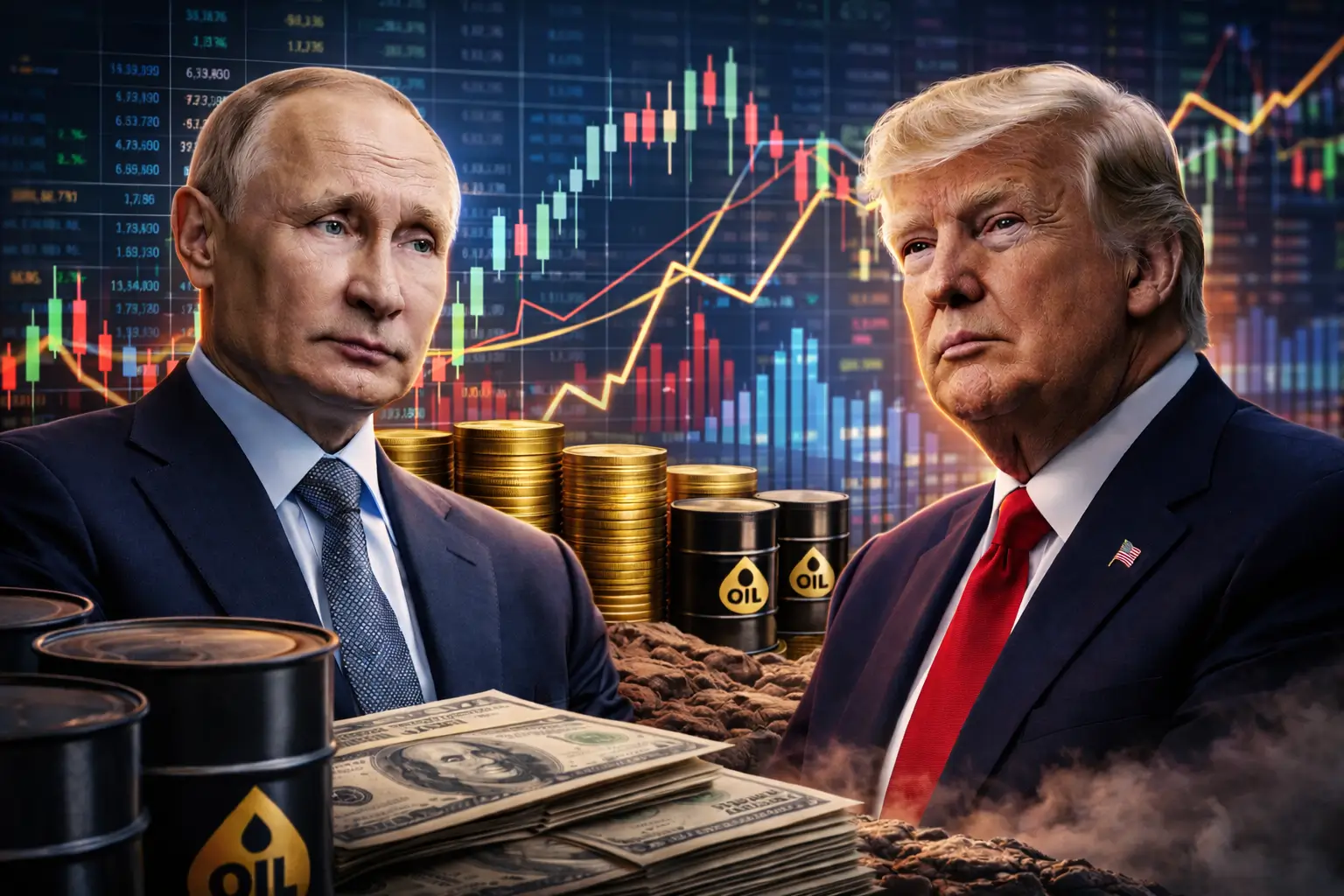 Amid growing instability in global energy markets triggered by escalating geopolitical tensions in the Middle East, officials from Russia and the United States have held discussions on the deepening global energy crisis and the future of the world’s oil supply.
The meeting reportedly took place in Florida between Russia’s economic representatives and advisers connected to U.S. President Donald Trump’s administration. The discussions focused primarily on the severe impact that the ongoing Middle East conflict is having on global oil supplies.
Analysts say the talks are particularly significant given that economic relations between Moscow and Washington have remained strained for years due to sanctions linked to the Russia-Ukraine war.
According to Russian officials, a senior economic envoy representing President Vladimir Putin met with American counterparts as part of an ongoing dialogue on economic cooperation.
The discussions covered several key issues, including:
The impact of the Middle East conflict on global oil supply
The role of Russian oil and natural gas in stabilizing energy markets
Potential economic cooperation between the two countries
Russian representatives stated that the discussions occurred at a time when global energy markets are facing one of the most significant supply shocks in recent history.
Some U.S. officials participating in the meeting confirmed that the two sides exchanged views on multiple economic issues and agreed to continue dialogue in the future.
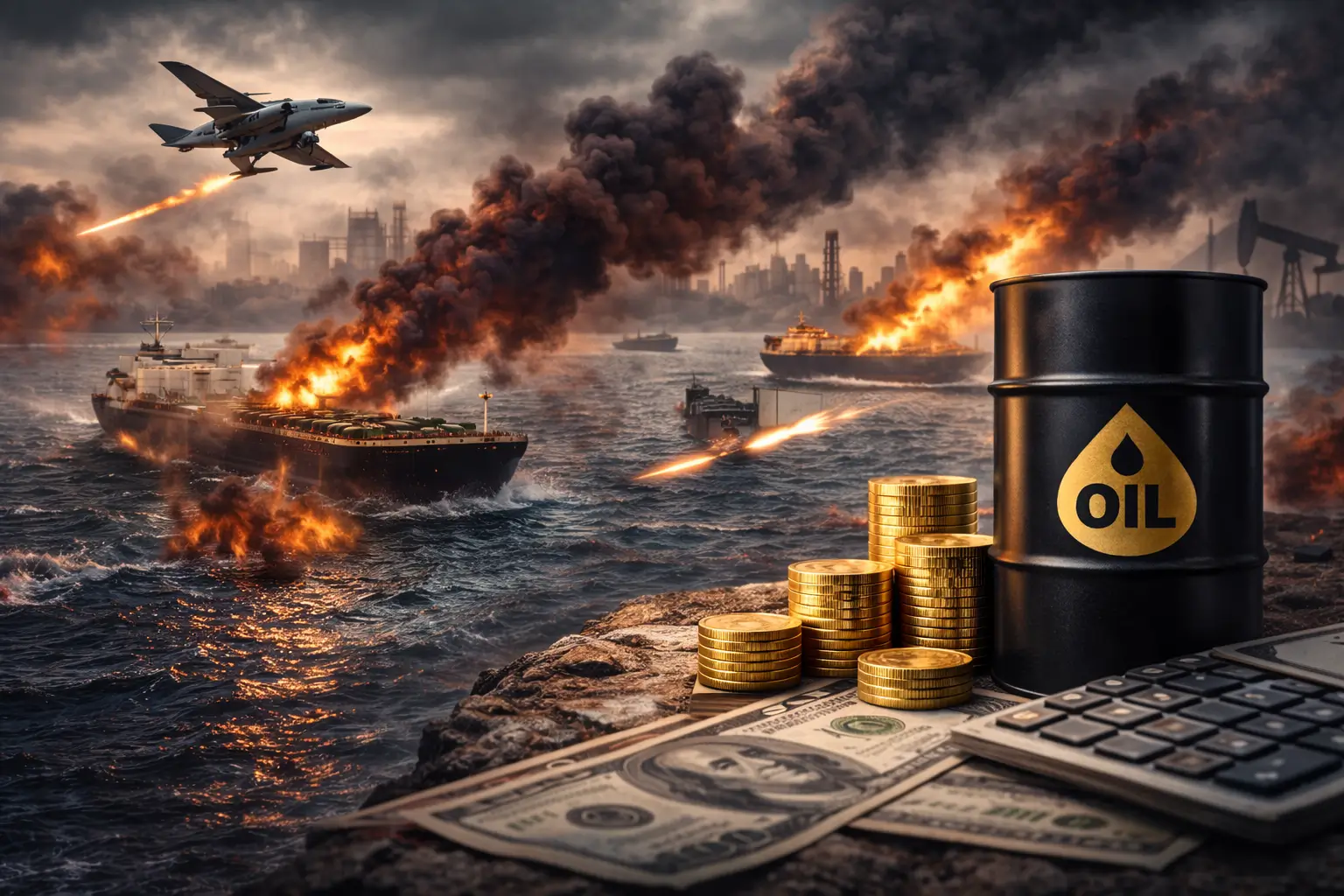
The primary driver of the growing energy crisis is the disruption of oil flows through the Persian Gulf, particularly along the critical shipping route of the Strait of Hormuz.
Energy experts estimate that nearly 20 million barrels of oil per day are currently being affected due to military operations and rising security risks for oil tankers operating in the region.
The Strait of Hormuz is widely considered one of the most strategic oil transit routes in the world, with roughly 20% of global oil supply passing through the narrow waterway each day.
When this route is threatened or disrupted, global energy markets react almost immediately.
Recent reports indicate that Brent crude oil prices have surged past $100 per barrel, pushing energy costs significantly higher worldwide.
The International Energy Agency (IEA) has warned that the current conflict may represent one of the largest oil supply disruptions in modern energy market history.
According to the agency’s estimates:
Global oil supply could fall by approximately 8 million barrels per day
Some parts of the Middle East have lost more than 10 million barrels per day in production
Over 85 oil tankers have been stranded in the Persian Gulf
These developments have forced major energy-consuming economies, including the United States, European countries, and several Asian nations, to implement emergency measures to stabilize the market.
One of the most notable responses is a coordinated release of nearly 400 million barrels of oil from strategic reserves by member countries of the International Energy Agency, representing the largest intervention of its kind.
During the discussions with U.S. officials, Russian representatives emphasized that the country’s oil and natural gas exports could play an important role in stabilizing global energy markets.
Russia currently remains:
One of the world’s top three oil exporters
The country with the largest natural gas reserves globally
Following the reduction of Russian energy imports by Europe in recent years, Moscow has increasingly redirected its exports toward Asian markets such as China and India.
However, amid tightening global supply conditions, Russia argues that its energy resources could once again become a key factor in balancing global oil markets.
Another notable aspect of the current crisis is that rising oil prices are generating significant financial gains for Russia.
Recent estimates suggest that Moscow could be earning around $150 million in additional revenue per day due to the surge in global energy prices.
Some analysts believe the current energy crisis could help Russia strengthen its fiscal position, which has faced pressure in recent years due to sanctions and wartime spending.
In addition, demand for Russian oil from Asian economies continues to grow as countries search for alternative supply sources to offset disruptions in Middle Eastern production.
Despite the ongoing dialogue between Russia and the United States, experts warn that global energy markets remain exposed to considerable risks.
Several key factors could continue to destabilize markets, including:
Prolonged military conflict in the Middle East
The potential closure of the Strait of Hormuz
Continued energy sanctions between Western nations and Russia
If oil supply disruptions persist, energy prices could climb even higher, putting additional pressure on inflation and global economic growth.
In the short term, the direction of global energy markets will largely depend on geopolitical developments in the Middle East and policy decisions made by major energy powers.
If tensions ease and oil transportation routes reopen, prices could gradually stabilize.
However, if the conflict escalates further, the world may face a prolonged period of energy market volatility.
Against this backdrop, the recent discussions between Russia and the United States are seen as a crucial step toward addressing the growing instability in global energy markets and exploring possible solutions to the unfolding energy crisis.