Samsung, Hyundai and major Korean conglomerates unveil massive domestic investments after U.S. tariff deal, strengthening South Korea’s industrial landscape.
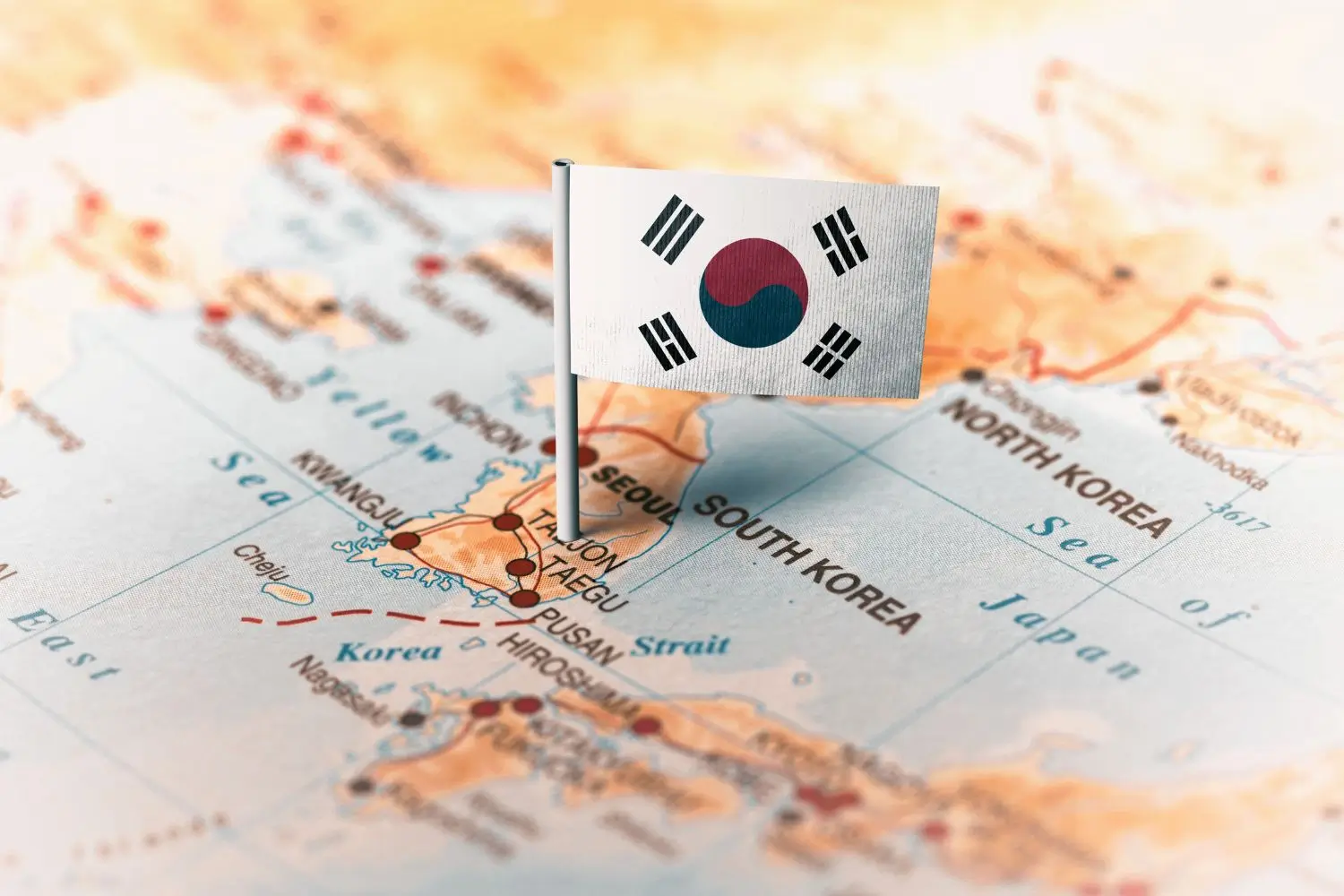
As South Korea finalizes a major trade agreement with the United States, concerns have surfaced in Seoul regarding potential capital outflows from leading Korean conglomerates. Yet, recent announcements from Samsung, Hyundai, SK Group, and other industrial giants paint a very different picture: South Korea is about to witness one of the largest domestic investment waves in its modern economic history, signaling the nation’s determination to fortify its high-tech industrial foundation.
During a meeting with President Lee Jae Myung, leaders of the country’s top conglomerates revealed ambitious domestic investment plans. These moves are widely seen as strategic responses to ease worries that Korea’s newly signed trade agreement with the U.S.—involving a total commitment of $350 billion—might incentivize companies to prioritize the American market over their home ground.
The bilateral trade agreement marks one of the most significant economic milestones between the two nations in recent years. Under the deal, South Korea will invest 350 billion USD into strategic sectors in the U.S., including:
$150 billion for shipbuilding collaboration
$200 billion for semiconductors, energy, AI, and other advanced industries
To safeguard domestic financial stability, these investments will be capped at $20 billion per year.
In return, the United States has agreed to:
Reduce tariffs on Korean automobiles and parts from 25% to 15%
Apply semiconductor tariffs to Korea on terms no less favorable than those of competing countries
While the agreement brings clear benefits for Korea’s automotive and semiconductor exports, public concern grew over whether Korean companies would shift their expansion plans abroad. This prompted President Lee to convene a high-level meeting with business leaders to reinforce domestic industrial strategy.
Among all announcements, Samsung Electronics drew the most attention with its commitment to invest 450 trillion won (approximately $310 billion) in South Korea over the next five years—the largest domestic investment plan in Samsung’s history.
Scheduled to begin operations in 2028
Focused on next-generation memory chips for AI and high-performance computing
Designed to meet soaring global chip demand
Samsung plans to establish regional AI hubs to support universities, startups, and SMEs. This includes acquiring approximately 15,000 GPUs by 2028—an extraordinary scale given global GPU shortages.
Subsidiaries are also accelerating investment:
Samsung SDI: solid-state battery production line in Ulsan
Samsung Display: expansion of 8.6-generation OLED manufacturing
Samsung SDS: cloud and AI infrastructure development
Samsung Chairman Jay Y. Lee emphasized that the company’s domestic expansion will create high-quality jobs, strengthen collaboration with smaller enterprises, and support balanced national development—goals aligned with governmental priorities.
Hyundai Motor Group followed with a major plan of its own: 125 trillion won (about $86 billion) in domestic investments from 2026 to 2030. The plan signals Hyundai’s aggressive push toward future mobility and production innovation.
Integrating AI into manufacturing and vehicle development
Advancing robotics for industrial and consumer applications
Accelerating autonomous vehicle technologies
Expanding R&D operations and modernizing industrial facilities
Importantly, this amount significantly exceeds Hyundai's spending during 2021–2025 (89 trillion won), underscoring a major acceleration in its transformation into a next-generation mobility powerhouse.
SK Group, a leader in semiconductors, energy, and advanced technologies, announced plans to invest at least 128 trillion won domestically through 2028. The group’s core investment areas include:
Artificial intelligence and big data
Next-generation semiconductors
Renewable energy and advanced battery technologies
Biotechnology and life sciences
SK Chairman Chey Tae-won noted that the newly finalized U.S. trade agreement “reduces uncertainty” and allows the group to pursue bold domestic initiatives with confidence.
At the same time, major shipbuilders such as Hanwha Ocean and HD Hyundai also pledged greater domestic investment efforts, even as they prepare to satisfy Korea’s commitments to support the American shipbuilding industry under the new trade deal.
President Lee Jae Myung expressed gratitude toward the business community for supporting the trade negotiations while reaffirming the government’s commitment to strengthening the domestic industrial environment.
Key policy directions under consideration include:
Regulatory easing
Expanded tax incentives for high-tech sectors
Greater public investment in digital and industrial infrastructure
Strategic development of AI, robotics, and semiconductor talent
President Lee stressed that reinforcing domestic capacity is essential for Korea to maintain its global competitiveness in emerging industries.
The collective investment pledges from Korea’s largest corporations signal several major shifts for the national economy:
With heavy investments in chips, AI, batteries, and robotics, South Korea is positioning itself at the forefront of the next industrial revolution.
Tens of thousands of jobs in engineering, AI, R&D, and advanced manufacturing are expected to emerge across the country.
By placing advanced facilities and AI data centers outside Seoul, the investments promote balanced national growth.
Keeping capital inside the country ensures stability and long-term industrial resilience.
The message is clear: South Korea will not allow external trade deals to dictate the trajectory of its domestic industries.
To reassure the public and markets that U.S. investments will not diminish Korea’s industrial strength, while also supporting the government’s long-term industrial strategy.
It boosts Korea’s production capacity at a critical moment in the global chip race, reinforcing Samsung’s competitive edge against rivals in Taiwan, the U.S., and China.
Hyundai seeks to become a global leader in autonomous vehicles, AI-driven manufacturing, robotics, and next-generation electric mobility.
While it includes large investments, Korea gains significant tariff benefits and improved market access—especially for automobiles and semiconductors—making the deal strategically valuable in the long run.

.jpg)

.png)
 Tiếng Việt
 English