Tesla shareholders are voting on an unprecedented $878 billion pay package for CEO Elon Musk — a record-breaking deal that could reshape the company’s governance, leadership, and its path toward becoming an AI and robotics powerhouse.
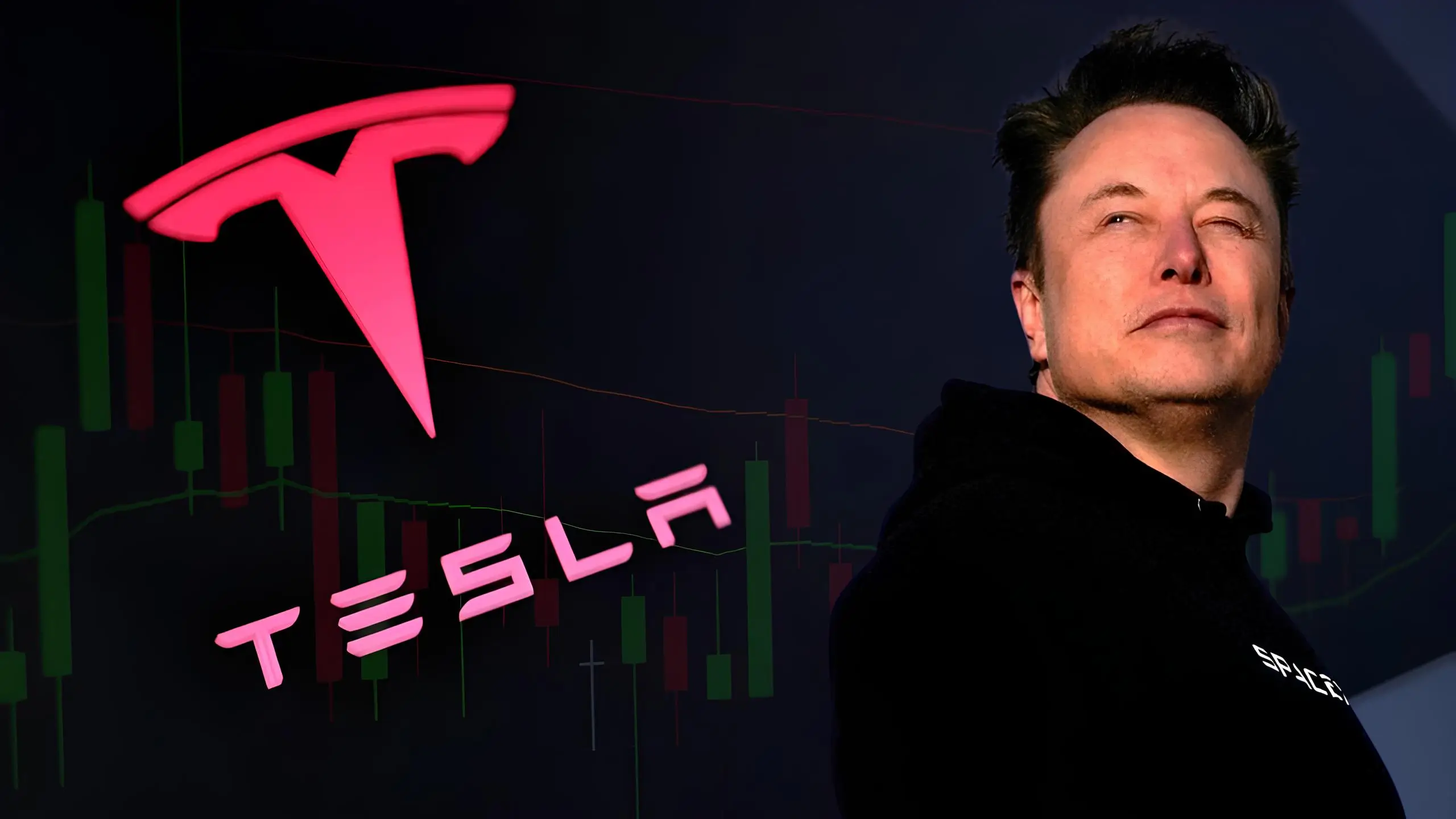
On November 6, 2025, Tesla faces one of the most consequential shareholder meetings in its history. Investors will decide not only on an $878 billion compensation package for CEO Elon Musk — the largest in corporate history — but also on several key proposals that could redefine the company’s power structure and future direction.
The annual meeting, held at Tesla’s Giga Texas factory in Austin, has drawn global attention. The outcome is seen as a referendum on Musk’s leadership, a man credited with transforming Tesla from a risky startup into a $1.5 trillion global leader in electric vehicles and clean energy.
Under the proposal, Musk’s compensation would come entirely in stock options, not cash. He will only receive the full payout if Tesla achieves a series of ambitious performance milestones over the next 10 years, including:
Producing 20 million electric vehicles annually (about ten times its current output);
Deploying 1 million robotaxis worldwide;
And raising Tesla’s market capitalization to new tiers — starting from $2 trillion and potentially reaching $8.5 trillion.
If achieved, Musk could become the first individual in history to surpass $2 trillion in personal wealth.
But the package has sparked fierce debate. Critics argue it’s excessive and misaligned with shareholders’ interests. Norway’s sovereign wealth fund — one of Tesla’s largest investors — announced it would vote against the proposal, stating that the deal “lacks balance between leadership rewards and long-term shareholder value.”
Supporters, however, claim the package serves as a necessary incentive to retain Musk’s leadership, describing him as the visionary force behind Tesla’s success and a driving factor in its expansion into AI, robotics, and sustainable energy.
Beyond Musk’s pay deal, shareholders are voting on several governance-related measures that could redefine Tesla’s internal balance of power:
Eliminating the Supermajority Voting Rule
Tesla’s current governance structure requires a two-thirds majority for major corporate decisions. The board is proposing to replace it with a simple majority vote (50% + 1).
Proponents argue this would help streamline decision-making in a rapidly changing industry.
Opponents warn it could concentrate more power in Musk’s hands, who already holds substantial influence over the company’s direction.
Potential Investment in xAI – Musk’s AI Company
Another controversial proposal involves whether Tesla should invest in Musk’s separate venture, xAI, which develops advanced artificial intelligence systems that may overlap with Tesla’s own projects. Some investors fear this could create conflicts of interest and blur the boundaries between Musk’s multiple enterprises.
Political Neutrality Policy
A group of shareholders has proposed that Tesla adopt a formal policy of political neutrality, following public criticism of Musk’s outspoken social and political statements on his social media platform, X (formerly Twitter).
U.S. markets are closely watching the developments. Tesla’s stock (TSLA) slipped about 3% in pre-meeting trading, reflecting investor uncertainty over the vote’s outcome.
Analysts suggest that a rejection of the pay deal could destabilize Tesla’s leadership and even raise the possibility of Musk stepping down. Chairwoman Robyn Denholm cautioned, “Rejecting the package could risk losing one of the most important leaders in Tesla’s history.”
On the other hand, critics argue that Tesla should not hinge its future on a single individual, no matter how visionary. “A trillion-dollar company needs sustainable leadership structures, not just one genius,” said Dan Ives, an analyst at Wedbush Securities.
The Tesla vote is not just about one company — it’s a litmus test for modern corporate governance in the technology era.
For two decades, many tech giants — from Amazon to Meta — have been closely tied to their founders’ personal brands. But such dependency also raises long-term risks if leadership succession and accountability are not institutionalized.
In Tesla’s case, the central question remains: Can the company sustain growth if Musk’s attention is divided among multiple ventures like SpaceX, Neuralink, The Boring Company, and xAI?
Investors around the world will be watching how Tesla’s shareholders balance bold innovation with responsible governance, a challenge increasingly relevant as corporations face rising scrutiny over transparency and long-term sustainability.
If the Pay Deal Is Approved:
Musk would remain firmly at the helm, accelerating Tesla’s push into AI and robotics. The stock could see a short-term rally driven by renewed investor confidence in his leadership.
If the Proposal Is Rejected:
The risk of Musk’s potential departure could create leadership instability, trigger short-term volatility, and force Tesla to consider succession planning.
If a Compromise Is Reached:
Shareholders might approve a revised or capped version of the pay deal, ensuring Musk remains motivated while addressing governance concerns — a balanced outcome that preserves confidence in Tesla’s direction.
Regardless of the outcome, this shareholder vote will mark a defining chapter in Tesla’s history. It’s a global discussion about vision, power, and accountability — between a visionary CEO and the shareholders who have fueled Tesla’s meteoric rise.
Tesla has already revolutionized the auto industry. Now, it is testing the boundaries of corporate leadership and governance in the 21st century. The results of November 6 could shape not only Tesla’s destiny but also how the world defines the relationship between human ambition, technology, and corporate responsibility.
1. Why is Elon Musk’s pay package so large?
It’s structured entirely as stock options and tied to extreme performance goals, including Tesla reaching trillions in market value and achieving mass-scale AI and robotics milestones.
2. Why are some shareholders opposed?
Critics argue the package is excessive and could dilute shareholder value while reinforcing Tesla’s dependence on a single leader.
3. What happens if shareholders reject the proposal?
There’s a real possibility Musk could reduce his role or leave Tesla, which might cause short-term market turbulence.
4. Could this vote affect the broader tech industry?
Yes. The decision will influence how investors and boards worldwide approach leadership incentives, innovation, and corporate governance in major tech firms.

.jpg)

.png)
 Tiếng Việt
 English