
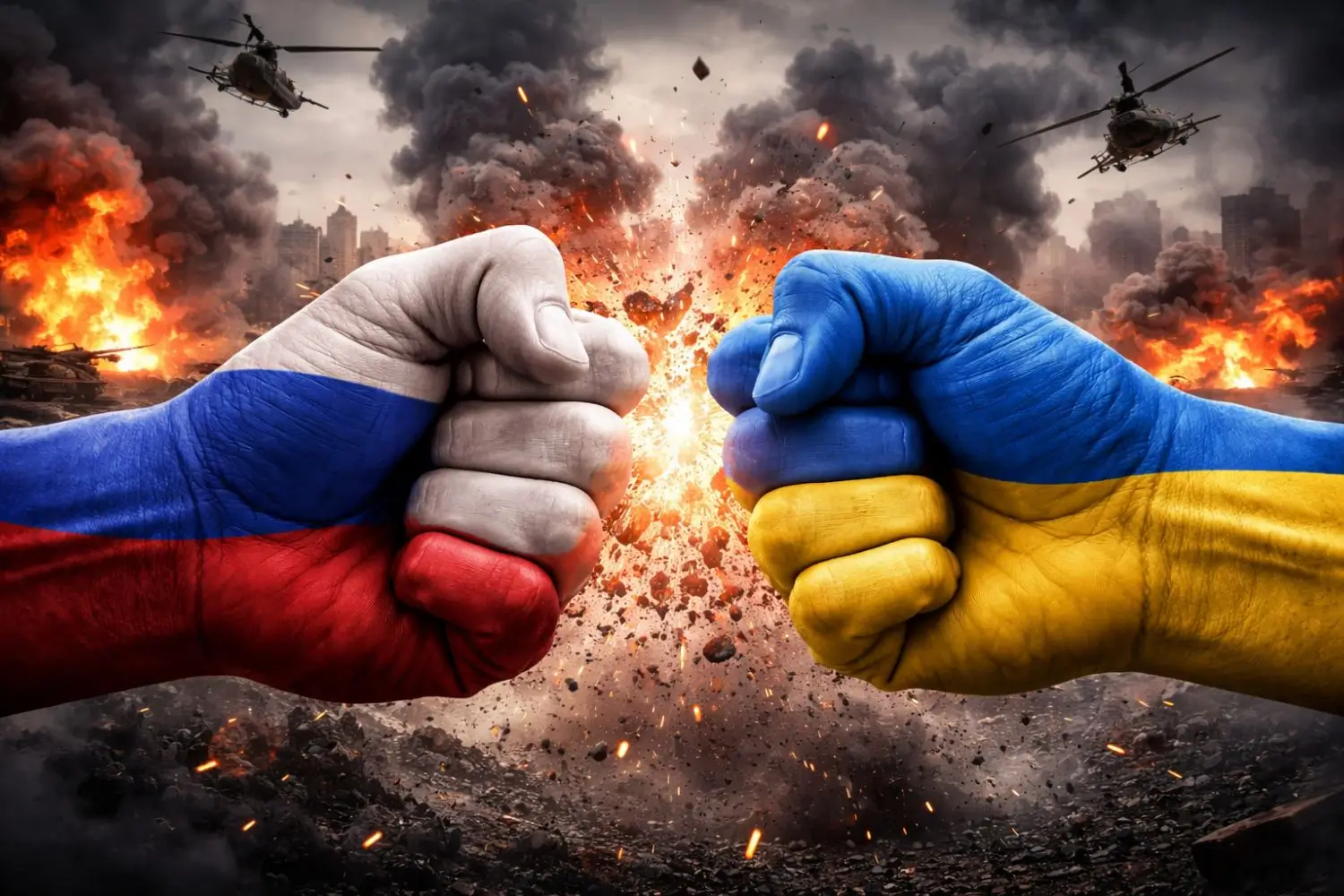
Russia, the United States, and Ukraine are scheduled to return to the negotiating table for a new round of trilateral talks in Abu Dhabi, United Arab Emirates (UAE) on February 4–5, 2026, after the initial plan was postponed due to scheduling adjustments among the three parties.
The information was confirmed by both the Kremlin and Ukrainian President Volodymyr Zelensky, marking continued efforts to find a resolution to the Russia–Ukraine conflict, which has lasted nearly four years.
The first meeting within the framework of multilateral negotiations between the three sides took place in late January in Abu Dhabi and ended without any formal agreement, although it was described as “constructive.”
Originally, the second round of talks was planned for February 1, but was delayed by several days to better accommodate the working schedules of the delegations. According to the Kremlin spokesperson, the postponement was purely technical and did not affect the commitment to continue dialogue.
President Zelensky also wrote on social network X that Kyiv’s negotiating team had completed its preparations and was ready for meetings on February 4–5 in Abu Dhabi, where the parties hope to engage in more substantive discussions.
One of the central issues of the upcoming talks is territorial control, which has remained the most serious point of contention between Moscow and Kyiv since the conflict began in February 2022.
Ukraine insists that restoring its territorial integrity is a top priority, while Russia continues to pursue its own geopolitical and security conditions. These deep differences have hindered major progress in previous negotiations and remain the main obstacle to reaching a comprehensive agreement.
The United States plays a key mediating role in the negotiations, focusing on promoting a sustainable peace solution for both sides. Since returning to the White House, President Donald Trump has made ending the Ukraine conflict one of his major campaign promises and foreign policy priorities.
US officials have participated in bilateral and multilateral discussions with representatives of Russia and Ukraine before bringing the issue back to the trilateral format in the UAE.
The UAE’s continued hosting of negotiation rounds reflects the country’s ambition to act as a peace mediator not only in the Middle East but also in Europe, where the Russia–Ukraine war has had far-reaching impacts on global security and the economy.
This support demonstrates not only diplomatic goodwill but also highlights the UAE’s growing position as a reliable platform for complex international negotiations.
Despite progress in diplomatic channels, military activities continue in several conflict zones across Ukraine. International reports indicate ongoing drone and missile attacks, causing casualties and damage to civilian infrastructure, while the humanitarian situation remains fragile.
Kremlin spokesman Dmitry Peskov described the process of resolving the conflict as “highly complex,” emphasizing that Moscow and Kyiv have found some common ground on certain issues. However, deeper disagreements persist and require long-term efforts.
President Volodymyr Zelensky stated that Kyiv is prepared for deeper discussions aimed at achieving a “real and just end” to the conflict. He expressed hope that the upcoming talks would deliver clearer results than previous rounds.
US representatives involved in the negotiations said the next round is expected to address broader issues within Washington’s proposed peace framework, including security guarantees, reconstruction, and mechanisms to resolve territorial disputes.
If the parties manage to find common ground on the most difficult issues such as territorial control and international security, the Abu Dhabi talks could pave the way for a long-term peace roadmap. This would have major significance not only for Ukraine and Russia but also for European security and the global order.
However, these disagreements also represent the greatest challenge and could prolong or stall the process if the sides fail to compromise. Mutual distrust and conflicting interests over territory remain critical knots that require delicate and persistent diplomacy.
The trilateral negotiations between Russia, the United States, and Ukraine in Abu Dhabi on February 4–5, 2026 represent one of the most important diplomatic efforts to end a conflict that has lasted nearly four years. Although serious challenges and deep disagreements remain, all three parties have shown a commitment to continue dialogue. Whether this meeting can become a turning point will largely depend on their ability to compromise on key issues such as territorial control and national security.

.png)
 Tiếng Việt
 English