.png)
 Tiếng Việt
 English


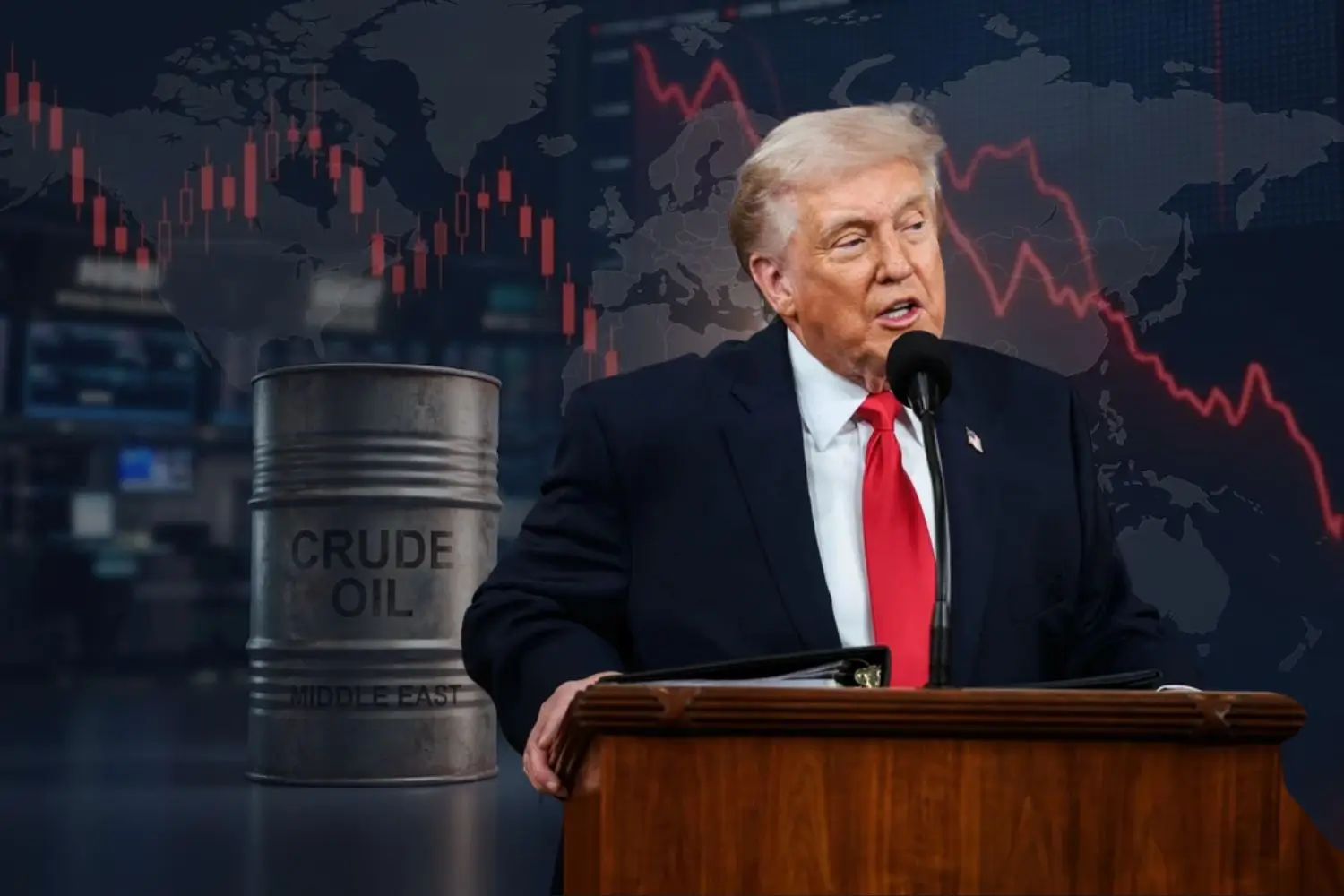 Trump Says Iran Strikes Will Continue “With Full Force,” Warns of More U.S. Casualties
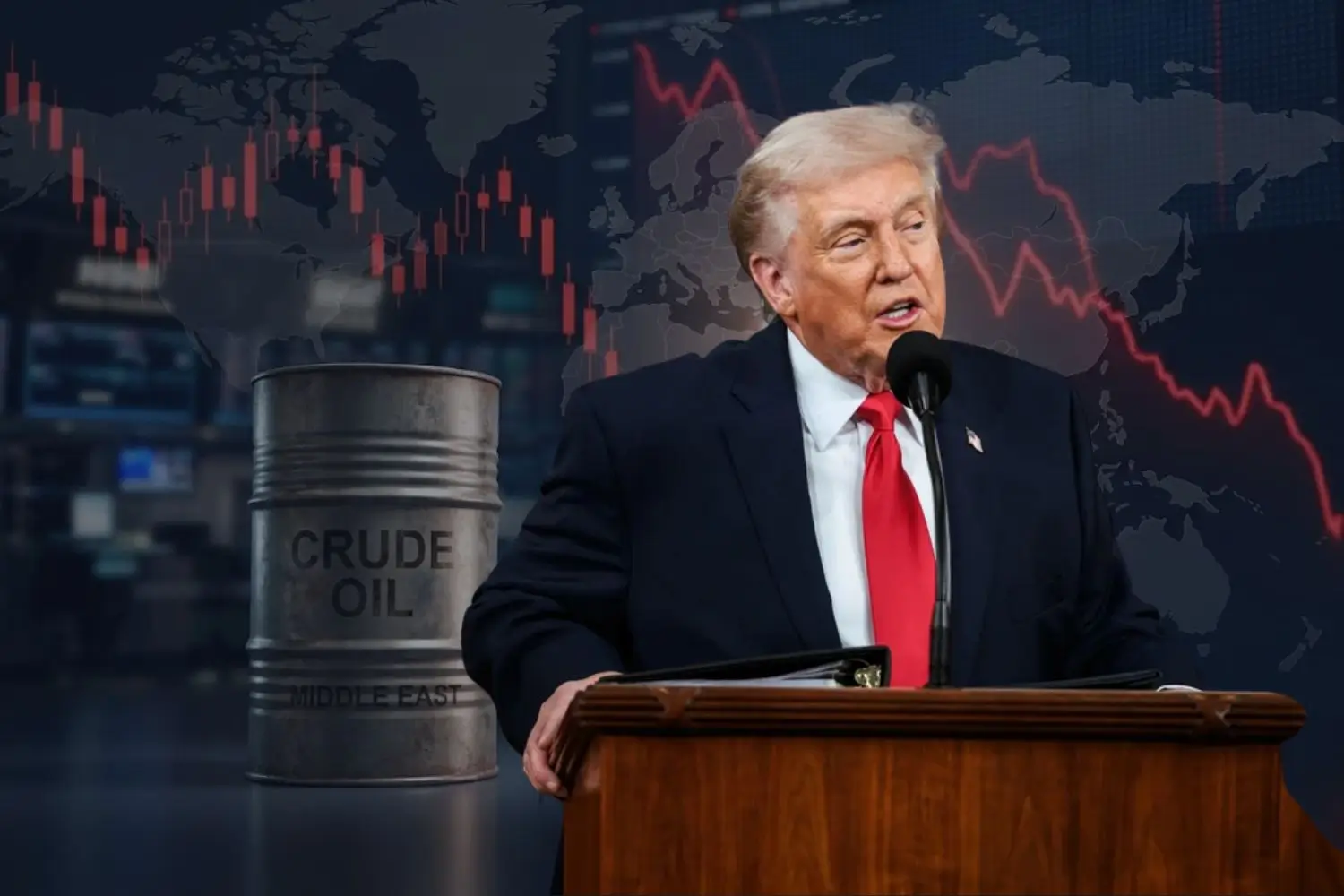
U.S. President Donald Trump declared on Sunday that American military operations targeting Iran will continue in the coming days, signaling a sustained campaign rather than a limited retaliatory action. In a video posted on Truth Social, Trump emphasized that combat operations are ongoing “with full force” and would persist until all U.S. objectives are achieved.
The remarks mark a significant escalation in rhetoric and suggest that Washington is preparing for an extended period of confrontation. Trump also cautioned that further casualties among U.S. troops are likely, underscoring the growing human and geopolitical stakes of the conflict.
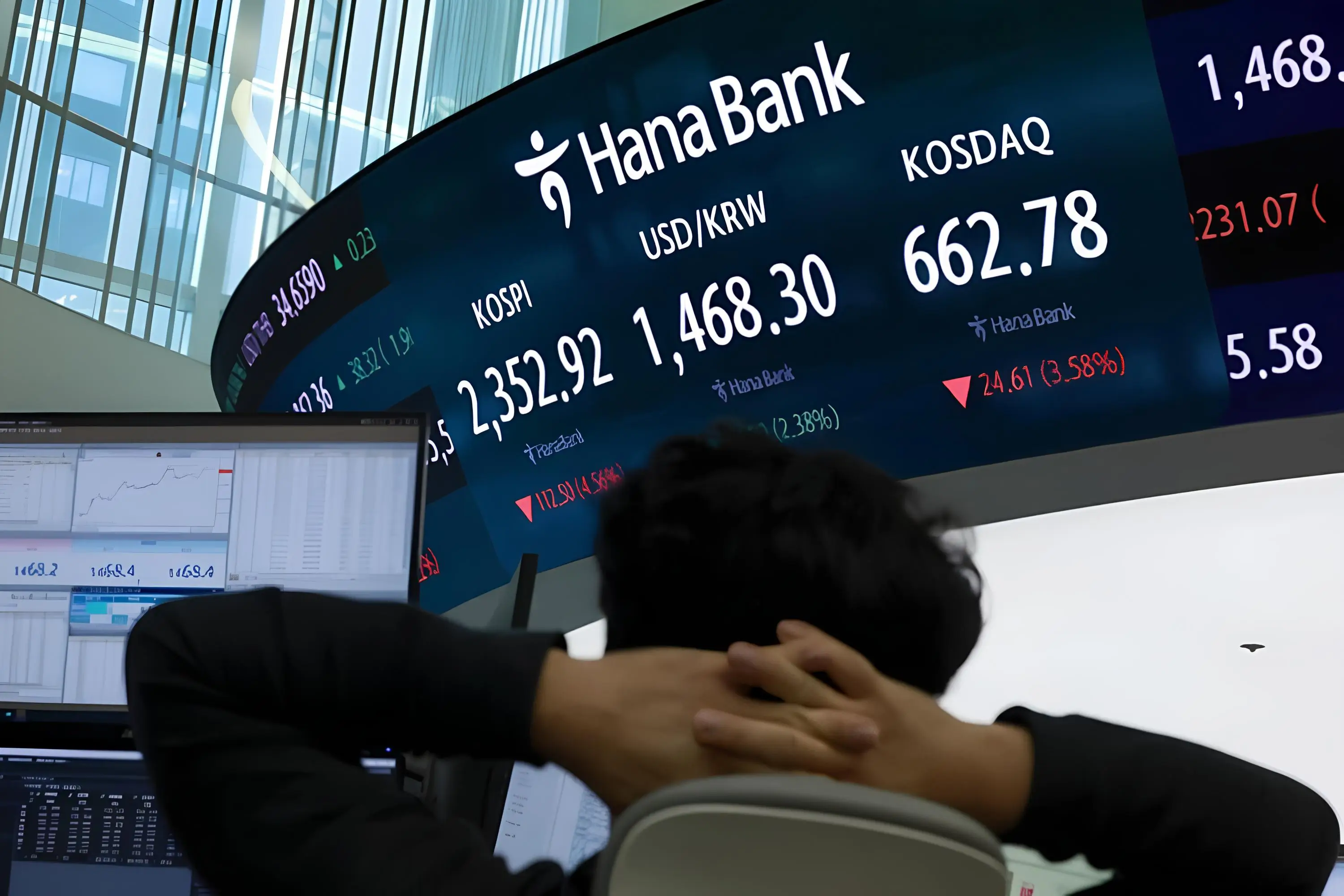
As global markets react to heightened uncertainty, investors are reassessing geopolitical risk, energy supply concerns, and the broader implications for economic stability.
In his video address, President Trump stated:
“Combat operations are continuing with full force at this time, and they will continue until all of our objectives are achieved.”
The message leaves little room for ambiguity. Rather than framing the strikes as isolated or defensive measures, the administration appears to be positioning them as part of a broader strategic campaign.
Trump further warned that additional U.S. military casualties could occur, following reports of American service members killed in recent hostilities. This acknowledgment signals expectations of prolonged engagement rather than a rapid de-escalation.
The latest strikes represent a sharp deterioration in already fragile relations between Washington and Tehran. Diplomatic efforts aimed at curbing Iran’s nuclear activities have stalled in recent months, while regional tensions have steadily mounted.
Analysts note that military escalation between the two nations carries risks beyond direct confrontation. Iran maintains influence across several Middle Eastern theaters, meaning that retaliatory actions could expand geographically and draw in additional actors.
Such dynamics heighten the probability of:
Disruptions to regional stability
Escalation involving U.S. allies
Wider implications for global trade and energy flows
The situation remains fluid, with both sides signaling resolve rather than compromise.
Financial markets typically respond swiftly to geopolitical shocks, and this episode is no exception. Investors have shown signs of moving toward defensive assets amid concerns that conflict could intensify.
Energy markets are particularly sensitive to Middle East instability. The region plays a central role in global oil production and shipping routes. Any sustained military campaign involving Iran raises concerns about supply disruptions — especially if strategic waterways such as the Strait of Hormuz are threatened.
Higher oil prices could:
Reignite global inflation pressures
Complicate central bank policy decisions
Slow economic growth in energy-importing nations
For the United States, rising fuel costs would also carry domestic political implications.
Trump’s assertive tone reinforces his long-standing emphasis on a hardline foreign policy approach. By publicly committing to continued military operations, the administration signals both determination and a willingness to absorb potential costs.
However, prolonged conflict carries risks on multiple fronts:
Extended campaigns increase exposure for U.S. personnel and assets in the region.
Escalation could amplify energy price volatility, influencing inflation, consumer confidence, and financial markets.
Sustained military engagement often sparks debate at home, particularly if casualties rise or economic fallout intensifies.
Public reaction and Congressional responses may shape how the administration navigates the next phase of operations.
From a macroeconomic perspective, geopolitical instability tends to introduce volatility across asset classes. Investors must evaluate not only immediate military developments but also second-order effects.
Increased defense spending
Shifts in global energy flows
Currency market volatility
Pressure on emerging markets exposed to oil price swings
Central banks, already navigating complex inflation dynamics, may find policy calibration more challenging if energy costs rise sharply.
Periods of military tension often trigger a shift toward perceived safe-haven assets, including:
U.S. Treasuries
Gold
The U.S. dollar
However, market responses can vary depending on whether the conflict is seen as contained or likely to escalate. If hostilities expand regionally, the magnitude of defensive flows could intensify.
While President Trump emphasized that operations will continue until “all objectives” are achieved, the precise scope of those objectives remains unclear.
Key questions include:
Are the strikes aimed at degrading specific military capabilities?
Is regime pressure a strategic aim?
What diplomatic channels, if any, remain open?
The answers to these questions will significantly influence both the duration of the campaign and its global repercussions.
The immediate outlook suggests continued volatility in both geopolitical and financial arenas. Investors and policymakers alike will be closely monitoring:
Further statements from Washington and Tehran
Regional responses from neighboring countries
Movements in global oil benchmarks
Reactions in currency and equity markets
Should the conflict remain limited in scope, markets may stabilize once initial shock effects subside. However, any sign of broader regional involvement would likely prolong risk aversion.
President Donald Trump’s declaration that military operations against Iran will continue “with full force” marks a pivotal moment in U.S.–Iran relations. By acknowledging the likelihood of further American casualties, the administration signals readiness for sustained engagement.
Beyond the battlefield, the ramifications extend into global financial markets, energy pricing, and economic policy. As tensions evolve, the intersection of geopolitics and macroeconomics will remain at the forefront of investor attention.
In times like these, clarity is scarce and volatility abundant — and the coming days may prove decisive in shaping both regional stability and global market direction.