.png)
 Tiếng Việt
 English


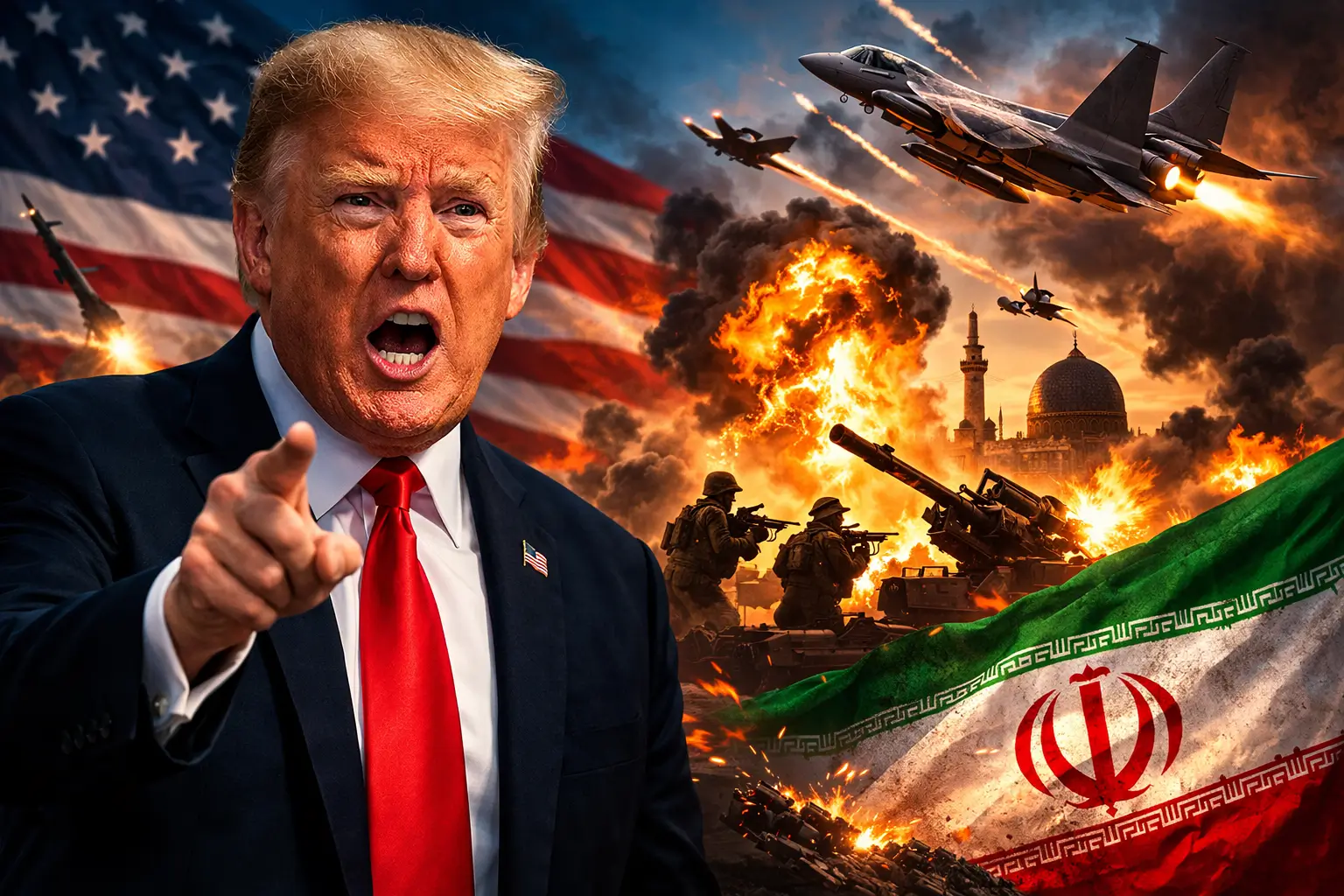 The confrontation between the United States and Iran intensified on its fourth day, as President Donald Trump declared that the U.S. military possesses a “nearly unlimited” stockpile of weapons and could sustain military operations indefinitely if necessary.
The remarks, delivered via social media late Monday night, signal a firm escalation stance from Washington at a time when geopolitical tensions are already rattling global markets and raising concerns over broader regional instability.
In his post, Trump emphasized that the United States is fully equipped to carry out extended military operations without facing supply constraints.
“The United States has stockpiled and is ready to WIN, LOUDLY!!!” he wrote, adding that America holds “a nearly unlimited supply” of weapons capable of sustaining military campaigns “forever, and very successfully.”
The statement came as U.S. and Israeli forces continued coordinated military activities inside Iran following major airstrikes launched over the weekend.
While previous administrations have often highlighted deterrence strategies, Trump’s wording underscored operational endurance — a signal that Washington is prepared for a protracted confrontation if required.
Speaking earlier at the White House during a Medal of Honor ceremony, Trump described the campaign as “major combat operations” taking place in Iran.
Although he refrained from providing precise operational details, he suggested that the mission could extend four to five weeks — potentially longer depending on developments.
“We are significantly ahead of schedule,” he said. “But however long it takes, it’s okay. Whatever it takes.”
These comments mark Trump’s first public remarks since hostilities began, offering insight into the administration’s current strategic posture.
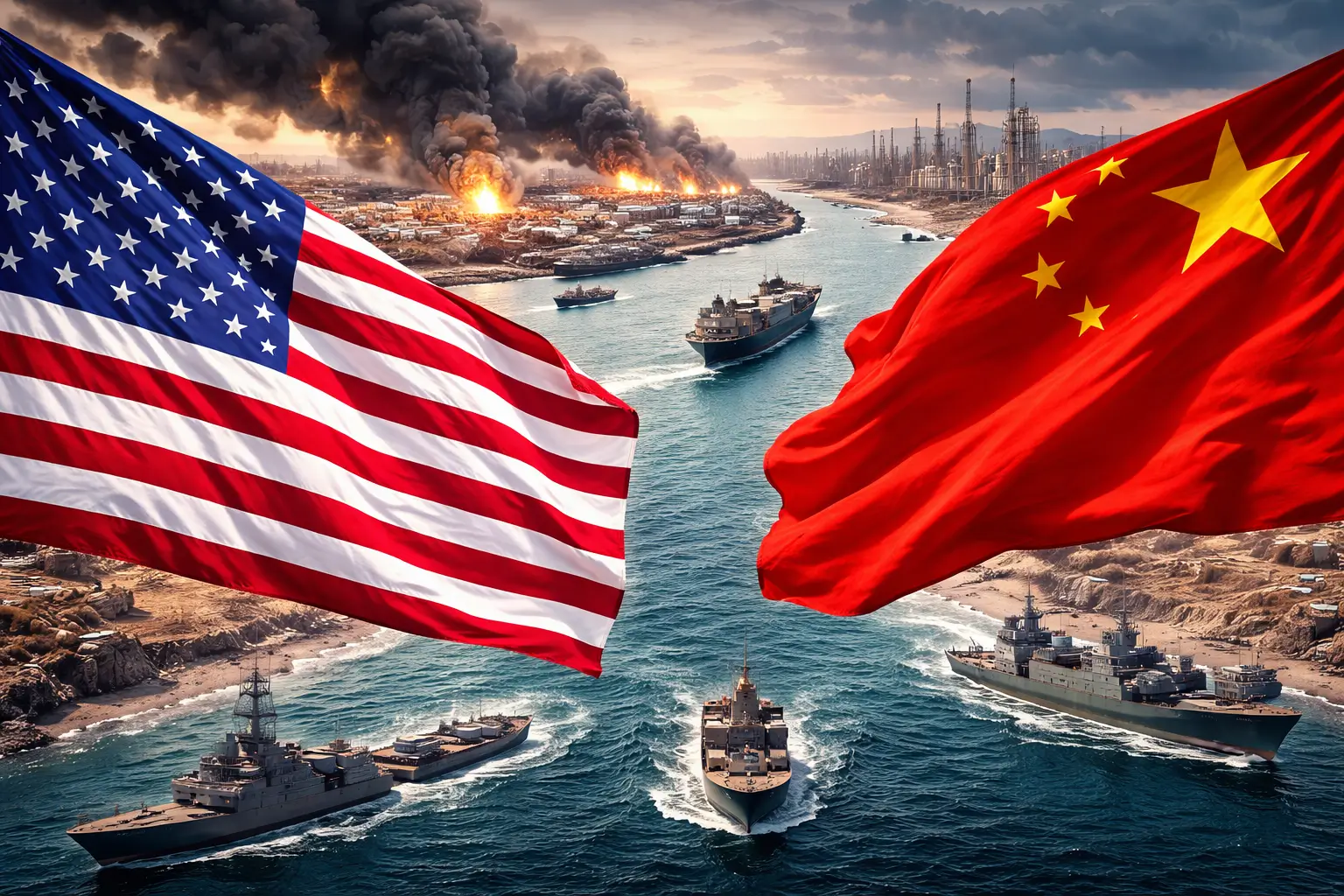
The current phase of conflict follows coordinated U.S.–Israel air operations targeting Iranian military infrastructure. Tehran has condemned the attacks and vowed retaliation, raising fears of further escalation across the Middle East.
Regional observers warn that sustained military activity could spill over into neighboring countries, particularly given Iran’s network of allied armed groups across the region.
The fourth day of fighting suggests that neither side is signaling de-escalation, increasing the probability of prolonged instability.
Trump’s assertion of unlimited weapons supply serves both domestic and international audiences.
Domestically, the message reinforces a narrative of strength and preparedness. Internationally, it acts as a deterrent signal aimed at Tehran and its regional allies.
However, such rhetoric also carries risk. By framing the conflict as potentially indefinite, markets and diplomatic partners may interpret the situation as structurally unstable rather than temporary.
From a military logistics standpoint, while the United States maintains one of the world’s largest defense stockpiles, extended operations historically strain supply chains and budgets. Analysts will closely watch whether Congress signals additional defense appropriations in the coming weeks.
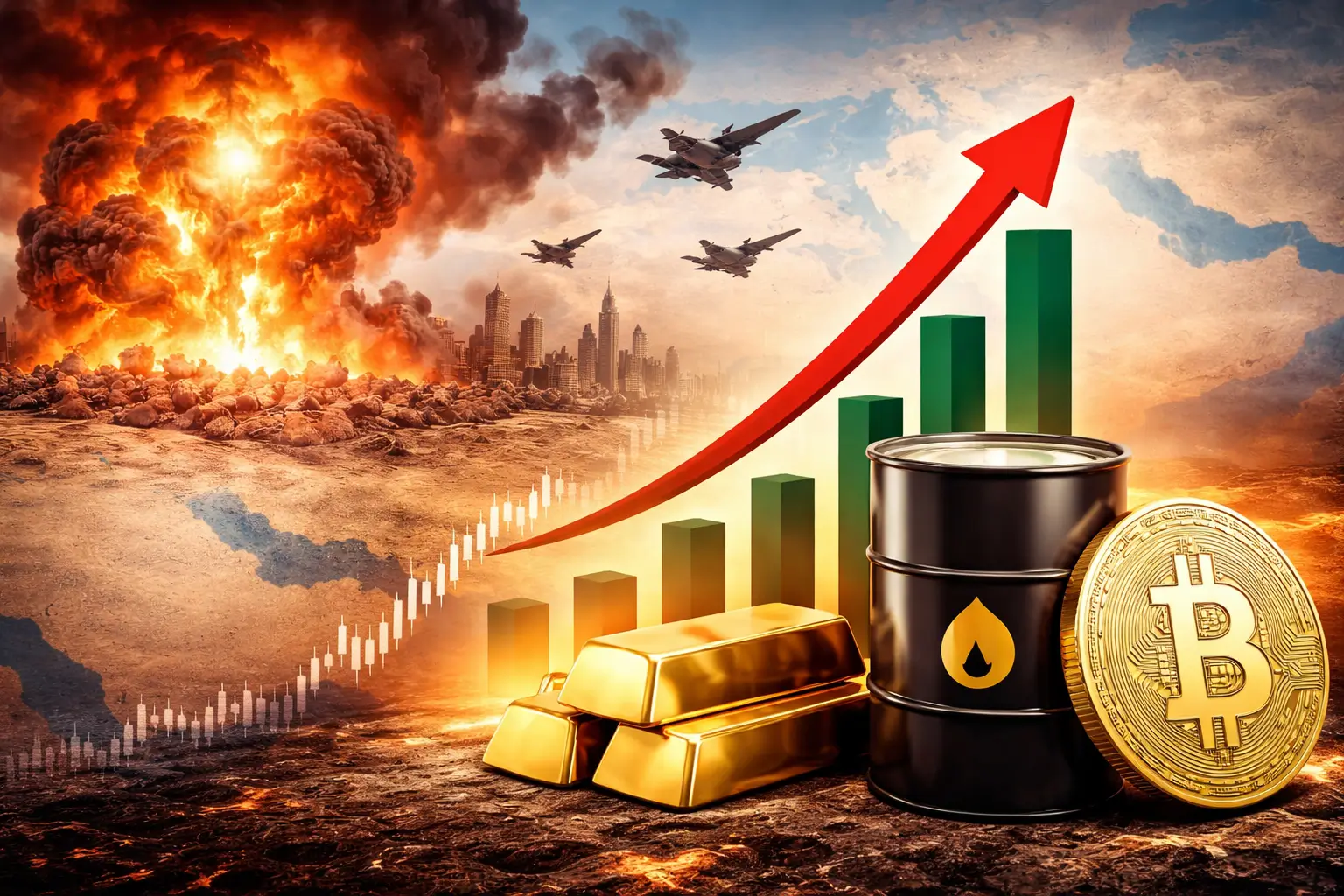
Financial markets are particularly sensitive to Middle East tensions due to the region’s critical role in global energy supply.
Although the White House has not indicated plans for broader mobilization, any prolonged military engagement involving Iran — a major regional power — could affect:
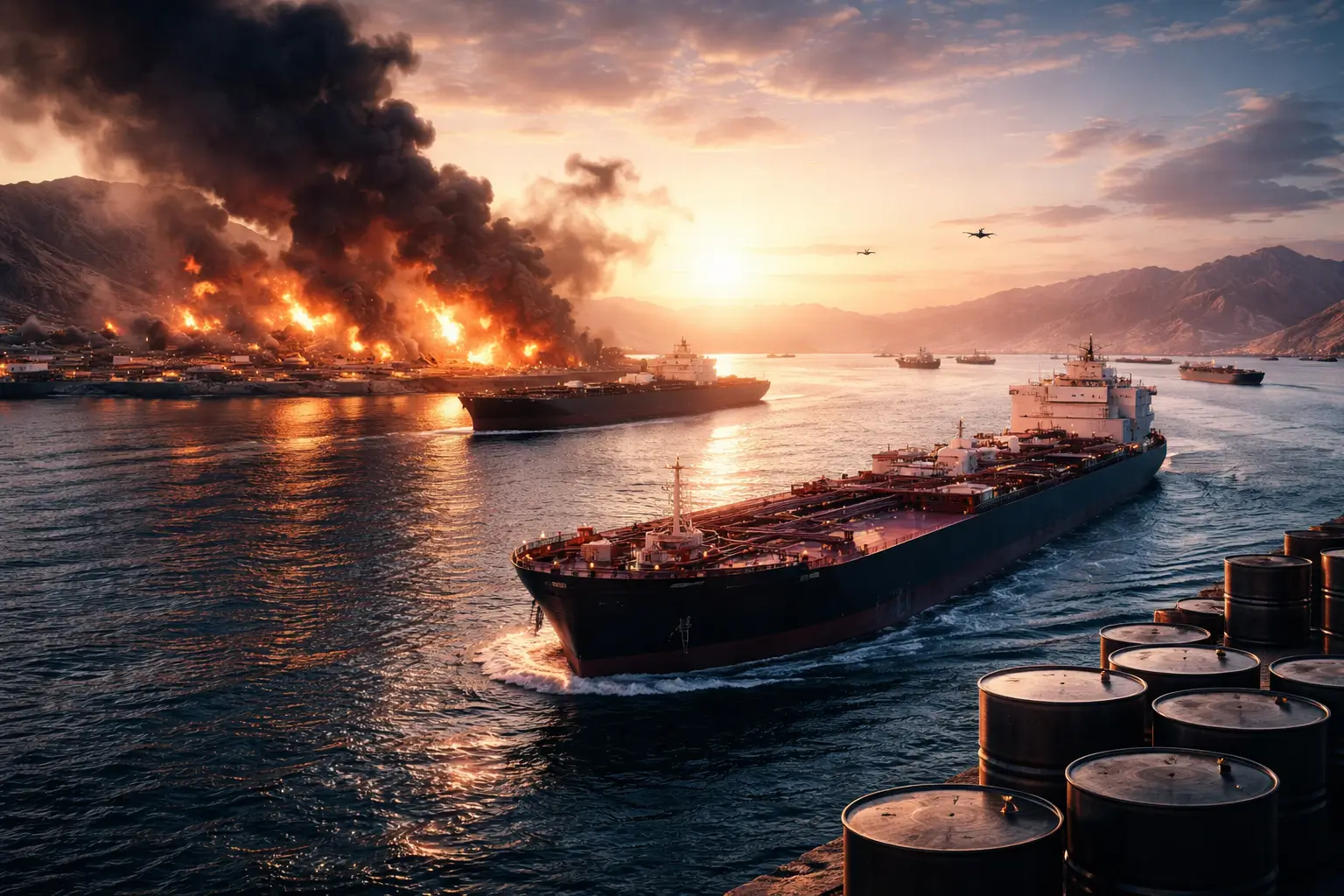
Oil transportation routes
Energy infrastructure security
Global risk appetite
Defense sector equities
Historically, periods of escalating U.S.–Iran tensions have led to spikes in oil prices and increased volatility across equity markets.
Investors are now assessing whether the situation represents a short-term military operation or the beginning of a longer geopolitical cycle.
While Trump projected confidence, he stopped short of committing to a defined timeline. His estimate of four to five weeks leaves flexibility for either de-escalation or intensification.
Military analysts note that early operational success does not guarantee swift resolution. Much will depend on Iran’s response capacity and whether diplomatic backchannels remain active.
The phrase “whatever it takes” suggests operational persistence rather than a quick-strike strategy.
The renewed confrontation adds another layer of complexity to an already fragile global environment marked by:
Elevated inflation pressures
Tight monetary policy in major economies
Slowing global growth
Ongoing regional conflicts
For policymakers and investors alike, geopolitical shocks complicate forward guidance and economic forecasting.
Should hostilities expand beyond targeted strikes, broader regional actors could be drawn in, increasing systemic risk.
As the Iran conflict enters its fourth day, President Trump’s assertion of unlimited military capacity signals readiness for sustained engagement.
Whether this messaging succeeds in deterring escalation or instead hardens positions on all sides remains to be seen.
For global markets, the central question is no longer whether tensions exist — but how long they will persist, and at what economic cost.
The coming weeks will determine whether this confrontation remains a contained military campaign or evolves into a broader geopolitical flashpoint with lasting financial consequences.