President Donald Trump rolled back tariffs on key food imports such as coffee, bananas, cocoa and beef in an effort to curb grocery costs and ease voter frustration over persistent U.S. inflation.
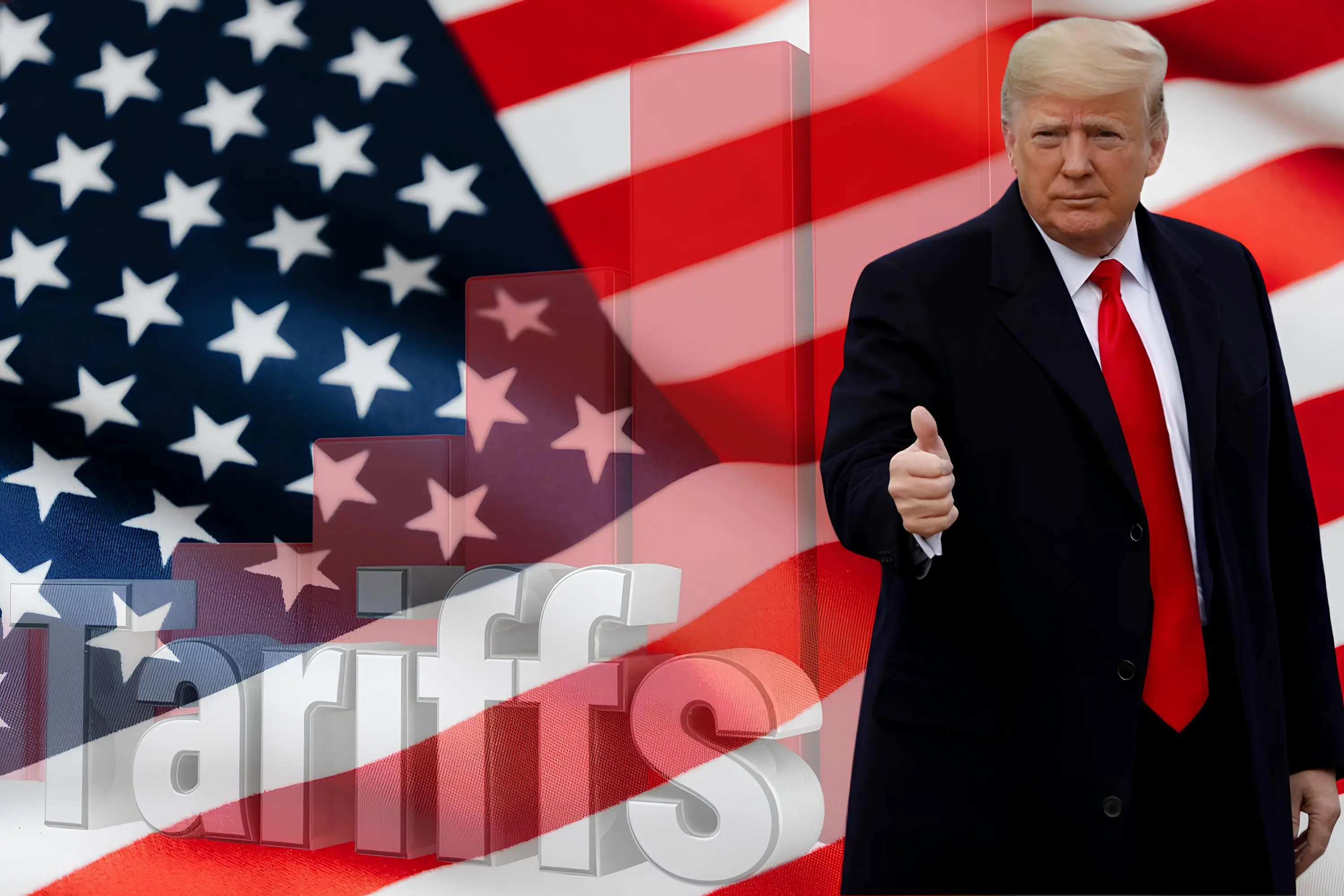
President Donald Trump on Friday announced that the United States would exempt several key agricultural imports — including coffee, cocoa, bananas and certain beef products — from higher tariff rates introduced earlier this year.
The move represents a strategic policy reversal for Trump, who has long defended tariffs as necessary to protect American jobs and industries.
The White House said the decision comes amid mounting political pressure from consumers struggling with soaring grocery bills. Prices of everyday staples such as beef, coffee and chocolate had climbed after new tariffs were imposed earlier in 2025, adding strain to households already burdened by years of elevated inflation.
Trump’s order also extends exemptions to a range of fruits and spices — including tomatoes, avocados, coconuts, oranges, pineapples, black and green tea, cinnamon and nutmeg — many of which are not produced in sufficient quantities domestically.
The announcement followed new trade framework agreements signed with four Latin American countries — Argentina, Guatemala, El Salvador and Ecuador — that maintain 10–15% tariffs on most exports but eliminate duties on goods not produced in the U.S., such as bananas and coffee.
Analysts see the tariff rollback as both economic and political. It reflects growing acknowledgment inside the administration that consumers — not foreign producers — often bear the brunt of higher duties.
It also seeks to ease friction with Latin American partners and demonstrate responsiveness to U.S. voters facing stubbornly high living costs.
Despite the change, experts warn that tariff reductions alone may offer limited relief. Global supply constraints, transport costs and climate-related disruptions continue to drive food prices higher, particularly for coffee and beef.
The exemption for beef comes after months of price spikes tied partly to Trump’s own tariff policies.
Over the past year, Washington imposed steep duties on major suppliers such as Brazil, Australia, New Zealand and Uruguay, pushing effective tariff rates above 75%.
At the same time, the U.S. cattle herd fell to its lowest level in nearly 75 years due to drought and rising feed costs.
The resulting supply crunch drove retail beef prices up 12–18% year over year in September, according to the Bureau of Labor Statistics.
Ranchers say input costs have soared because tariffs on steel, fertilizer and equipment parts made maintenance and repairs more expensive.
Industry leaders told CNBC that rapid policy shifts — from new tariffs to sudden quota expansions — have chilled long-term investment and kept supplies tight.
The new tariff relief is expected to reduce import costs and help stabilize prices through the first quarter of 2026, though the impact will depend on how quickly suppliers adjust.
Few commodities illustrate tariff pressures more clearly than coffee.
According to BLS data, average retail coffee prices hit $8.41 per pound in July, up 33% from a year earlier — the highest level on record.
Trump’s earlier 50% tariff on Brazilian coffee, which supplies about one-third of U.S. imports, sent costs soaring across the roasting and retail chain.
Importers had little room to maneuver since the U.S. produces virtually no coffee domestically.
Other major exporters such as Vietnam and Colombia were caught in the same tariff net.
The September CPI report showed coffee prices up 21% year over year, the largest jump since the 1990s.
By lifting duties on coffee, tea and spices, the administration hopes to reverse some of these increases and appease consumers ahead of the holiday season.
Retailers had warned that tariffs were affecting about 74% of U.S. food imports — many of which have no domestic supply chain.
Similarly, cocoa prices remain under pressure after tariffs and three years of poor harvests in Ivory Coast and Ghana. Even after a recent sell-off, futures trade around $5,300 a ton, more than double pre-pandemic levels.
Confectionery giant Hershey expects $160–170 million in tariff expenses this year, which combined with high bean prices has driven retail chocolate costs nearly 30% higher than a year ago.
While the tariff cuts are designed to ease grocery costs, economists say their effect will be modest and gradual.
According to CPI data, food-at-home prices rose 2.7% year over year in September, and the latest readings — delayed by the government shutdown — suggest price pressures remain broad-based.
Global food markets face ongoing challenges: extreme weather, trade uncertainty, energy costs and transport disruptions.
Still, Trump’s reversal could signal a more pragmatic approach ahead of 2026, as the administration seeks to balance economic nationalism with consumer relief.
“This move recognizes that tariffs are a tax on Americans too,” said an economist at the Peterson Institute for International Economics.
“The real test will be whether suppliers and retailers pass savings on to shoppers.”
Trump’s decision to lift tariffs on coffee, bananas and beef marks a notable shift in U.S. trade strategy.
While the immediate impact on inflation may be limited, the policy underscores growing political pressure to address rising living costs and restore consumer confidence.
For now, markets view the move as a symbolic gesture toward economic stability — but one that could reshape trade relations and price dynamics heading into 2026.
1. Why did President Trump cut tariffs on food imports?
→ To lower grocery prices and ease voter frustration with persistent inflation. Food costs had surged after earlier tariff hikes.
2. Which products are affected by the new tariff exemptions?
→ Coffee, cocoa, bananas, beef, tomatoes, avocados, coconuts, oranges, pineapples, tea and spices such as cinnamon and nutmeg.
3. Will this policy change reduce inflation?
→ It could offer modest short-term relief, but broader factors like global supply constraints and high energy costs will still influence prices.
4. How are producers responding?
→ Beef, coffee and cocoa industries have welcomed the relief but warn that policy volatility continues to discourage long-term investment.

.jpg)
.png)
 Tiếng Việt
 English