.png)
 Tiếng Việt
 English


In today’s highly interconnected global economy, monetary policy is one of the most powerful tools that central banks use to steer economic growth, control inflation, and maintain financial stability. But what exactly is monetary policy? How does it work, and why does it matter to both investors and everyday citizens?
Let’s explore this vital concept and its impact on the economy.
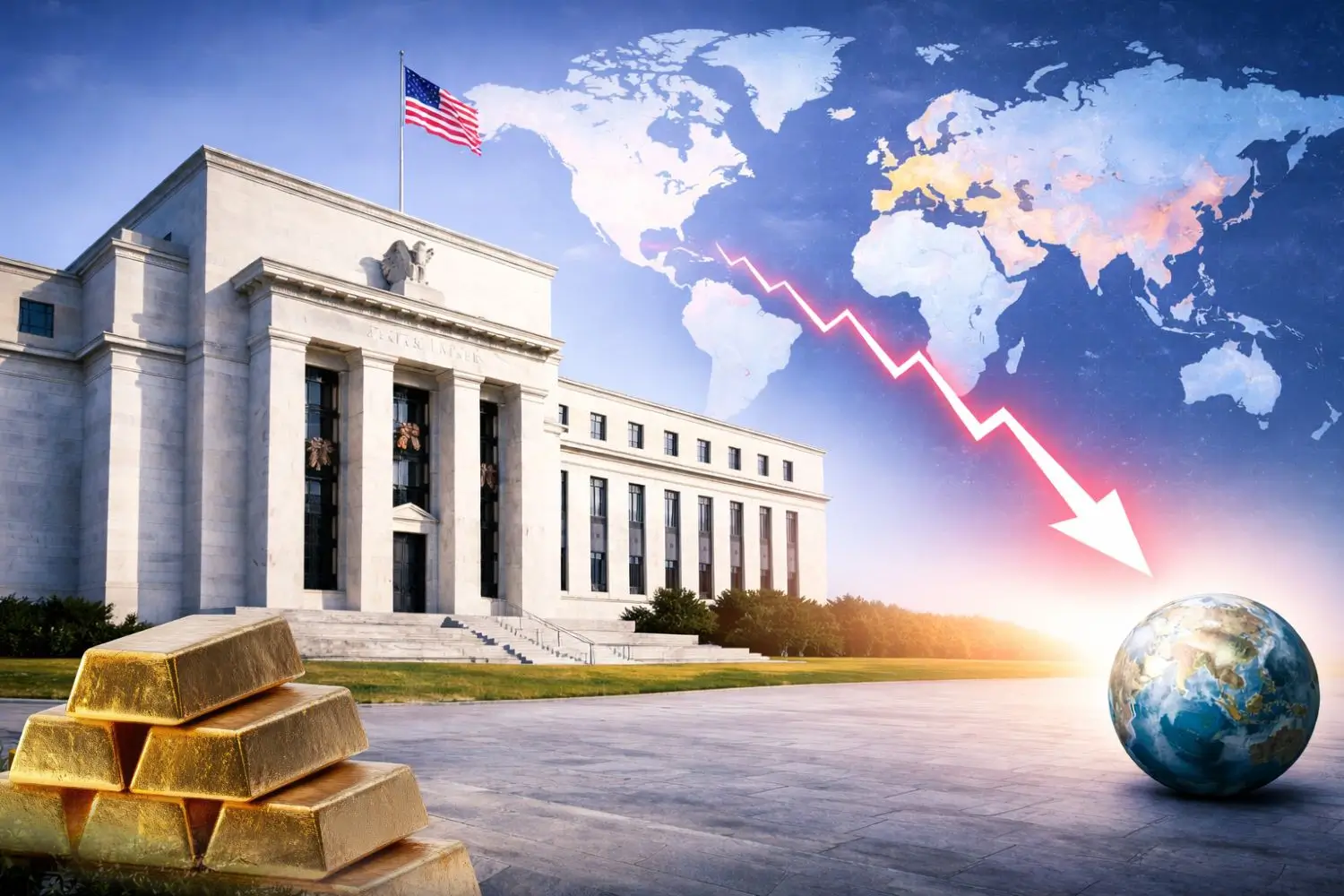
Monetary policy refers to the actions taken by a central bank (such as the US Federal Reserve, the European Central Bank, or the State Bank of Vietnam) to control the money supply and interest rates in order to influence a country’s economic activity.
By adjusting monetary conditions, central banks can either stimulate or cool down the economy, depending on current needs.
The main goals of monetary policy typically include:
Maintaining price stability (controlling inflation or deflation)
Promoting sustainable economic growth
Stabilizing exchange rates
Achieving full employment
Ensuring financial system resilience
Used during periods of economic slowdown or recession, central banks may:
Lower interest rates
Inject liquidity by purchasing government bonds
Goal: Stimulate borrowing, spending, and investment
Implemented when the economy overheats or inflation rises sharply. Central banks may:
Raise policy interest rates
Reduce the money supply
Goal: Curb inflation and avoid asset bubbles
Policy Interest Rates
These include the benchmark interest rate, discount rate, and others. Changes directly affect borrowing costs for banks and consumers.
Open Market Operations (OMO)
Buying or selling government securities to regulate liquidity in the financial system.
Reserve Requirement Ratio
The percentage of deposits that commercial banks must hold at the central bank. Raising or lowering this requirement impacts banks’ ability to lend.
Targeted Credit Controls (less common)
Used in some developing economies to guide credit to specific sectors.
Monetary policy has wide-reaching impacts across sectors:
Consumers: Changes in interest rates affect saving and borrowing behavior
Businesses: Investment decisions and operating costs are influenced by credit availability and rates
Stock markets: Lower interest rates often boost equities, while rate hikes may trigger corrections
Currency markets: Interest rate differentials influence capital flows and exchange rates
From 2022 to 2024, major central banks tightened monetary policy in response to post-COVID inflation spikes. But by 2025, some economies — particularly in Europe and Asia — have begun to shift toward easing as growth slows and deflationary pressures return.
The balance between fighting inflation and supporting growth remains a delicate task for policymakers worldwide.
Monetary policy is far more than just a technical tool for economists. It directly impacts the cost of living, job opportunities, investment returns, and financial security for individuals and businesses alike.
By understanding how monetary policy works and staying informed about central bank decisions, investors and consumers can make smarter financial decisions in an ever-changing economic landscape.