.png)
 Tiếng Việt
 English


 The Strait of Hormuz: A Critical Artery of Global Energy
The Strait of Hormuz has long been considered one of the most strategically important energy routes in the world. This narrow maritime passage connects the Persian Gulf to the Indian Ocean and serves as a vital corridor for global oil and liquefied natural gas (LNG) shipments.
According to international energy organizations, around 20% of the world’s oil supply passes through the Strait of Hormuz every day. Any disruption in this region has the potential to create significant shocks in global energy markets and international trade.
As geopolitical tensions in the Middle East intensify and military activities increase, the strategic waterway has once again become the center of a new wave of global political tensions.
The United States has been urging major economies that rely heavily on Middle Eastern oil—particularly China—to participate in international efforts aimed at ensuring maritime security and restoring safe passage through the Strait of Hormuz.
According to international reports, Washington is pressuring Beijing to use its influence in the region to help stabilize the situation and maintain the flow of oil shipments through the critical route.
U.S. officials have also indicated that a planned diplomatic visit to China could potentially be delayed if Beijing fails to cooperate on the Hormuz issue.
These developments highlight the growing urgency surrounding the situation and reflect Washington’s attempt to build a broader international coalition to safeguard one of the world’s most important energy supply routes.
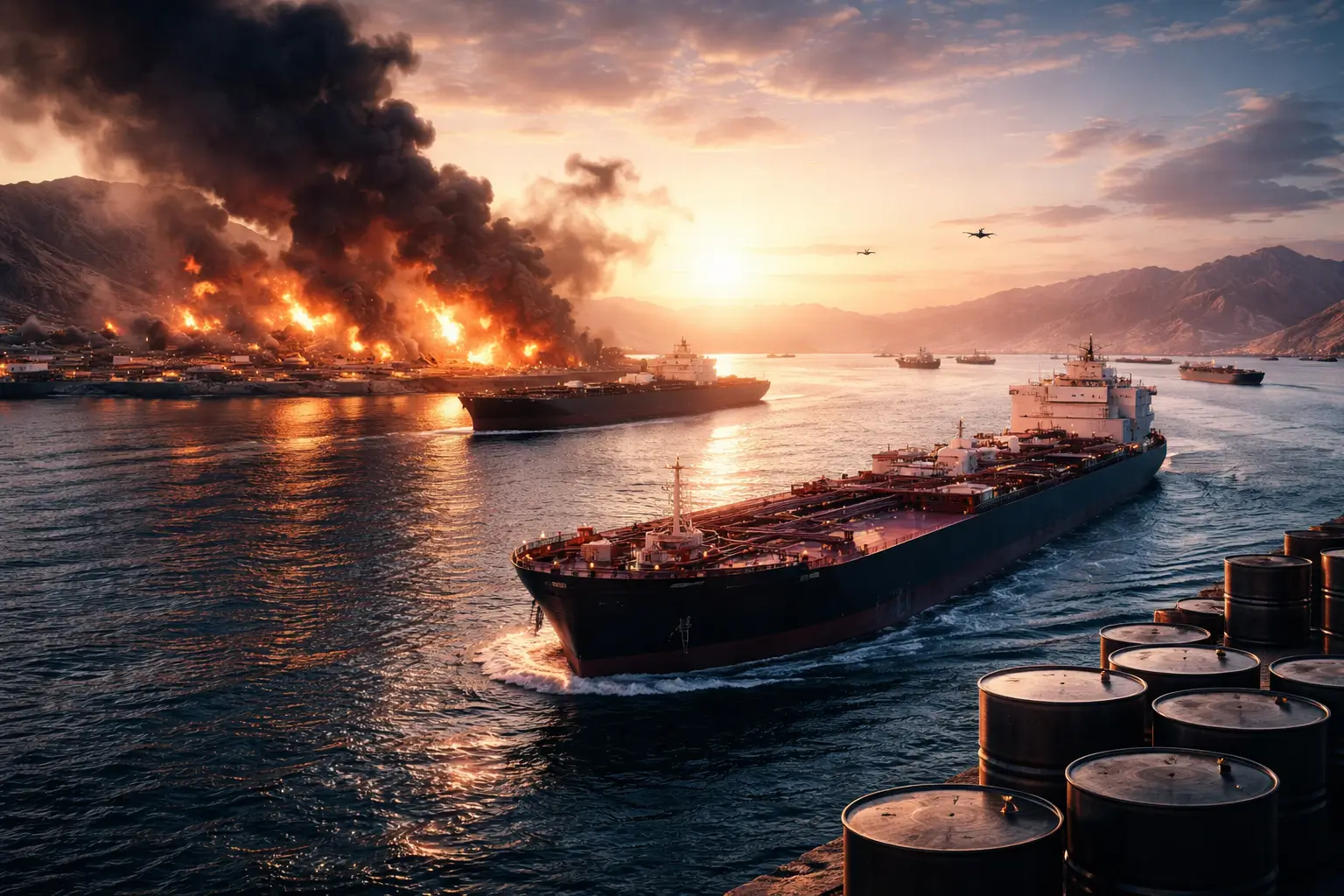
Shipping industry data suggests that tanker traffic through the Strait of Hormuz has declined significantly since regional tensions escalated.
In some periods, only a handful of oil tankers were reported passing through the strait, illustrating the severity of the disruption affecting global energy logistics.
Several oil tankers have been forced to anchor offshore while waiting for security assurances, while others have diverted to alternative routes that significantly increase travel distance and transportation costs.
The disruption of this strategic corridor does not only affect the oil market but also has broader implications for global supply chains, as numerous commercial shipping routes pass through nearby waters.
Amid pressure from Washington, China has called for restraint and diplomatic engagement to reduce tensions in the Middle East.
Chinese officials emphasize that the priority should be to de-escalate the conflict and resume diplomatic negotiations to ensure the safety of international maritime routes.
China is one of the world’s largest importers of oil transported through the Strait of Hormuz. As a result, any prolonged disruption could pose significant economic risks for the country’s energy security and industrial production.
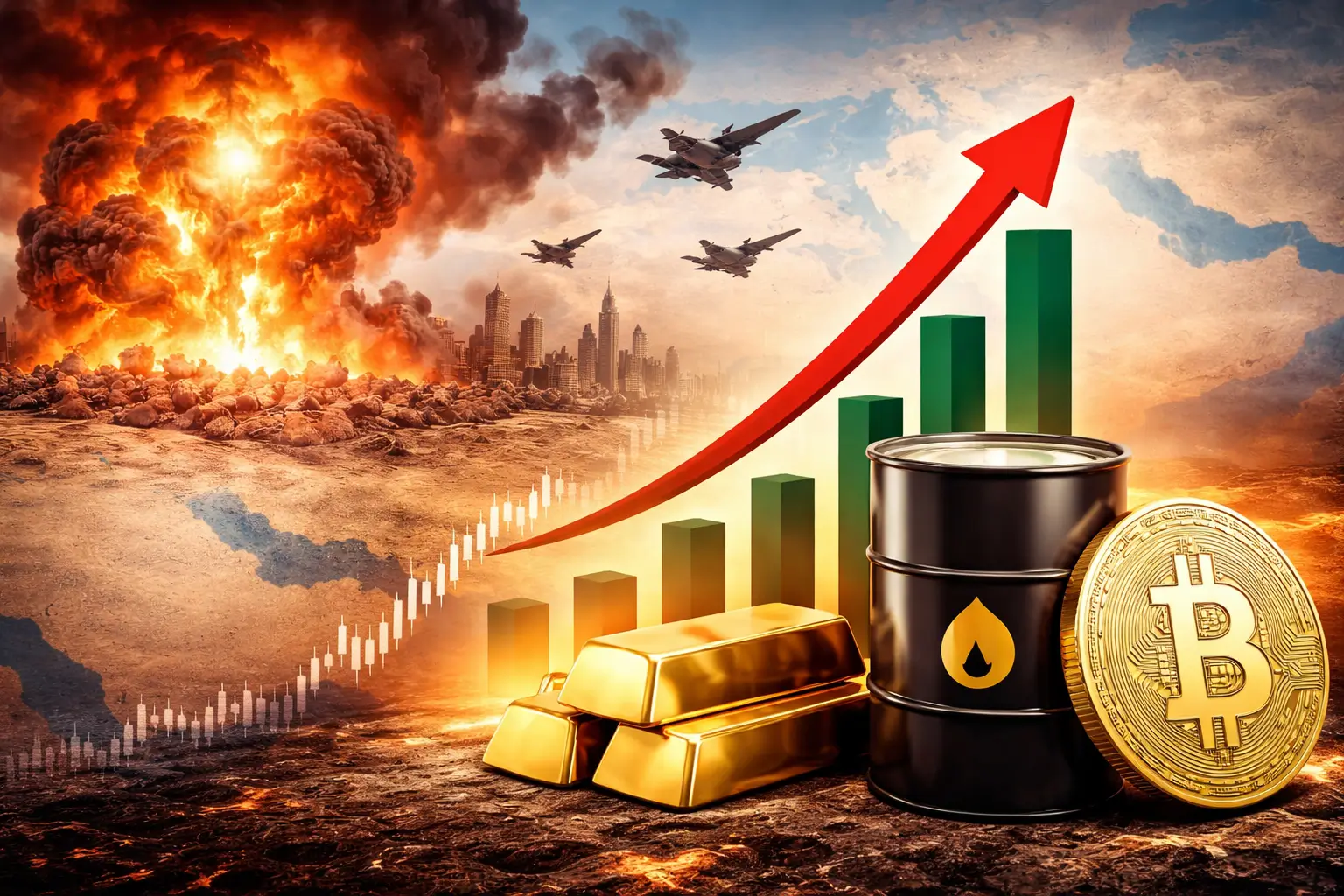
Energy analysts warn that prolonged disruption in the Strait of Hormuz could trigger a sharp rise in global oil prices.
If oil supply from the Middle East becomes constrained, the global energy market could experience a supply shock similar to past oil crises.
In addition, maritime insurance premiums and shipping costs have already begun to rise due to the growing security risks in the region.
Higher transportation costs could eventually translate into higher consumer prices worldwide, adding further inflationary pressure to the global economy.
The tensions surrounding the Strait of Hormuz also highlight the increasing strategic competition between major global powers.
While the United States has called on allies and partners to help protect the shipping route, some countries remain cautious about participating in military operations in the region.
Differences in policy approaches among global powers could complicate international coordination efforts and deepen geopolitical divisions.
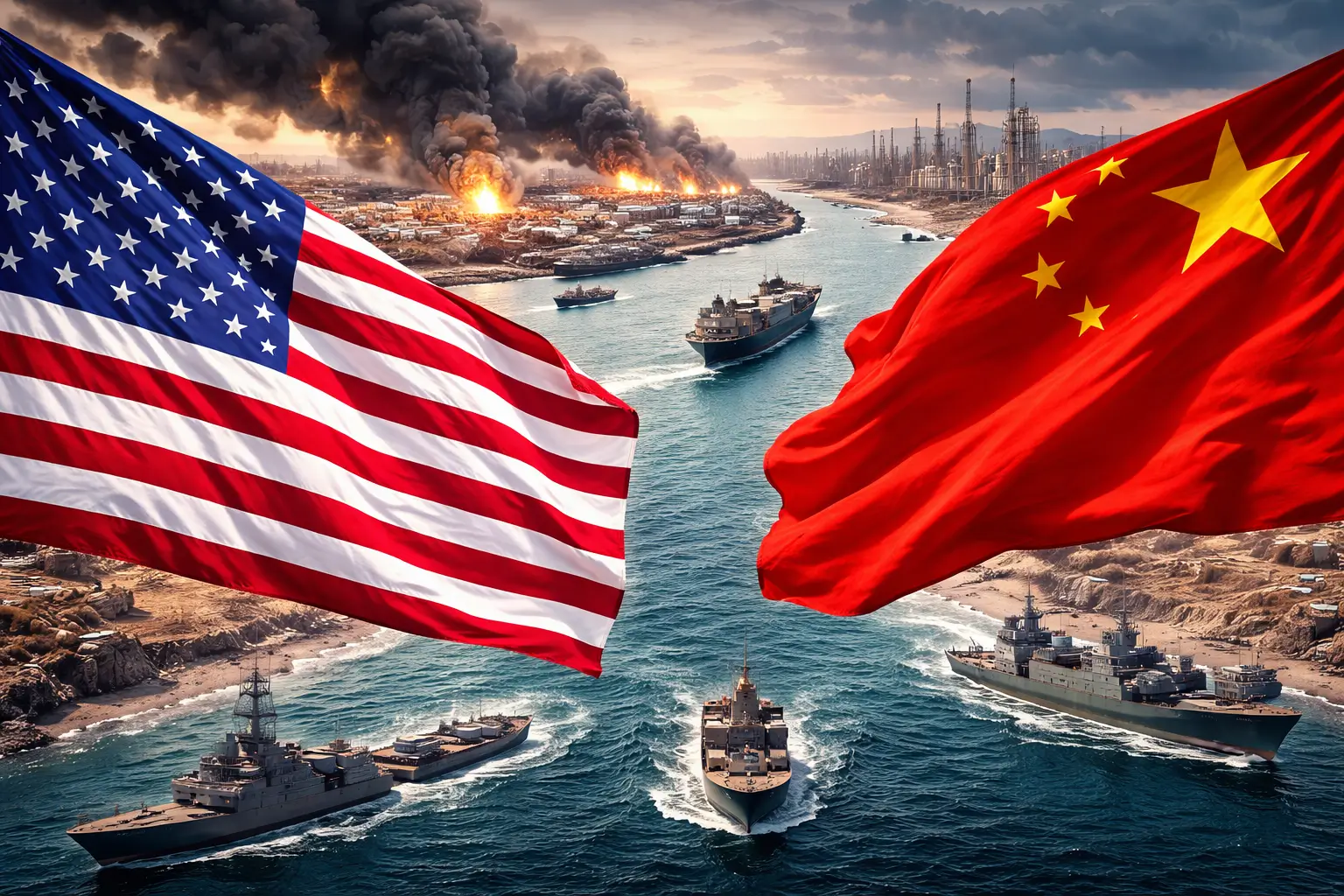
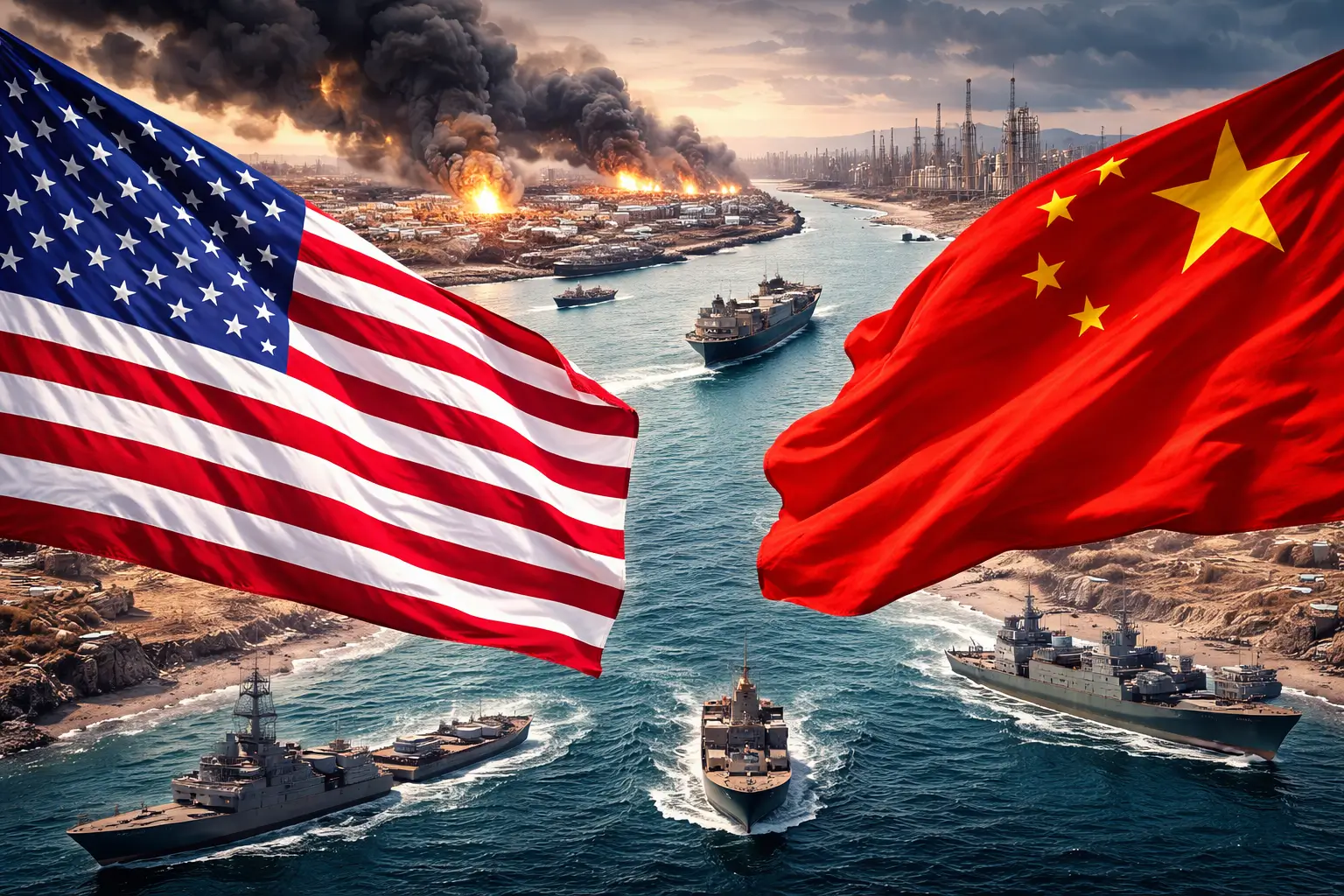
Some analysts believe that the crisis surrounding the Strait of Hormuz could evolve into another geopolitical flashpoint in the broader strategic rivalry between the United States and China.
Developments around the Strait of Hormuz are being closely monitored by global financial markets and investors.
Any escalation in tensions could trigger strong reactions across oil markets, equity markets, and currency markets.
Historically, disruptions in global energy supply have often led to sharp increases in oil prices and heightened volatility across financial markets.
As a result, the situation in the Strait of Hormuz is now considered one of the most significant geopolitical risks facing the global economy in 2026.
The future of the situation in the Strait of Hormuz will largely depend on diplomatic efforts, regional security developments, and the level of coordination between major global powers.
If international negotiations succeed in ensuring safe maritime passage, global energy markets may stabilize relatively quickly.
However, if tensions continue to escalate, the world could face another major energy crisis with far-reaching consequences for international trade and global economic growth.
In this context, the Strait of Hormuz is no longer merely an energy transport corridor—it has become a geopolitical hotspot capable of shaping the future of global energy markets and trade in the years ahead.