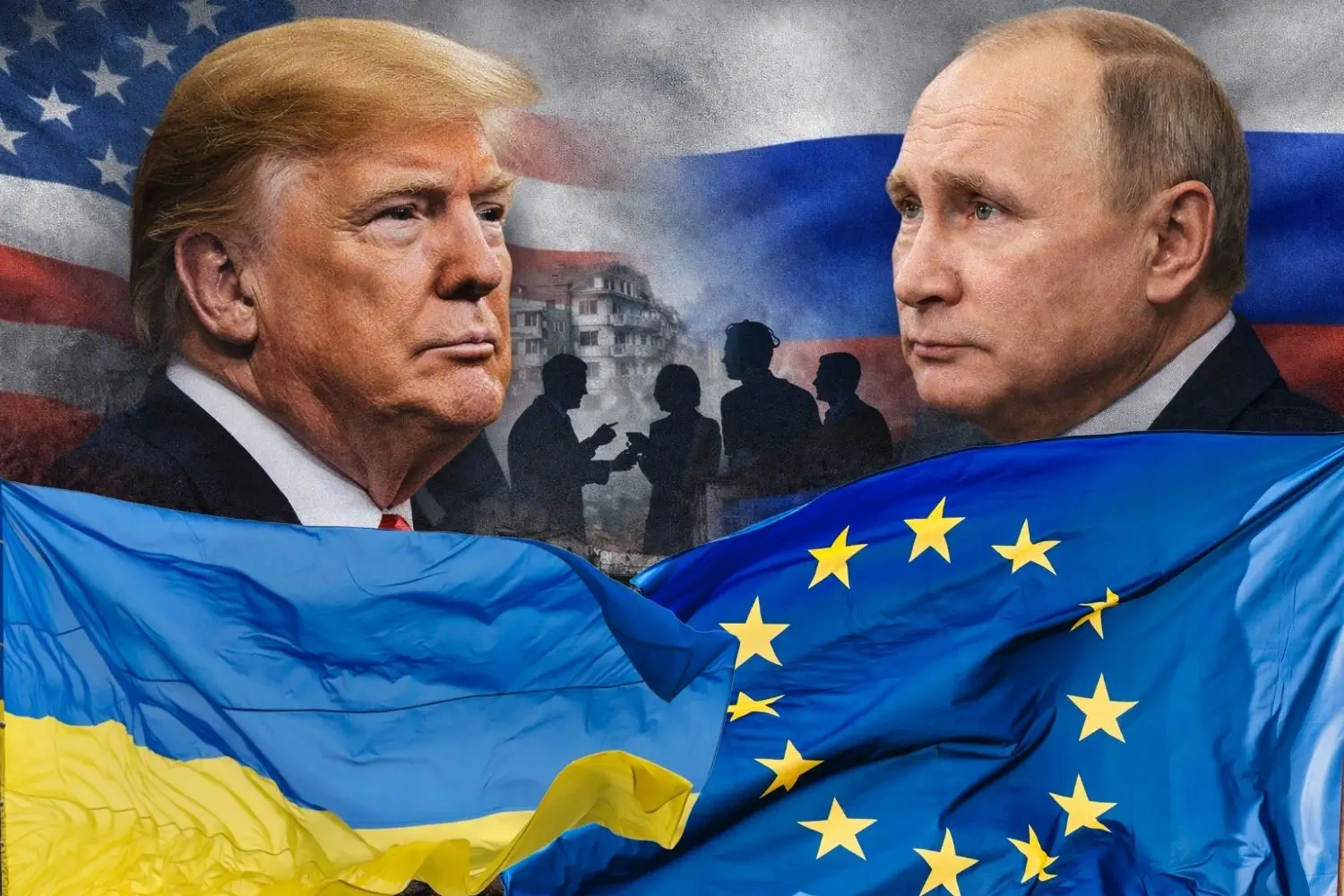
Growing diplomatic engagement between the United States and Russia over the war in Ukraine has triggered mounting concern across the European Union (EU). Several EU governments fear that Washington and Moscow could strike a bilateral understanding that directly affects Europe’s security—without meaningful European involvement.
In response, a group of member states is pushing for a move without precedent: the appointment of a dedicated EU special envoy to represent the bloc’s collective interests in negotiations on Ukraine. According to diplomats familiar with the discussions, France and Italy are leading the initiative, with increasing backing inside the European Commission and among other EU capitals.
The push reflects anxiety that Europe risks being reduced to a bystander in a process that will shape the continent’s security architecture for years to come.
Supporters of the initiative argue that Europe can only safeguard its core red lines if it has a direct seat at the negotiating table. These red lines include Ukraine’s long-term security arrangements, its Euro-Atlantic aspirations, and the broader post-war security order in Eastern Europe.
EU officials stress that decisions on these issues cannot be left solely to bilateral US–Russia discussions. Any settlement would have immediate and far-reaching consequences for the European Union, particularly for countries bordering Russia and Ukraine.
From this perspective, appointing a special envoy is less about symbolism and more about ensuring that the EU transitions from an observer to an active participant in shaping the outcome of the conflict.
If approved, the move would mark a significant departure from the EU’s traditional approach to conflict diplomacy. Historically, the bloc has relied on joint statements, sanctions policy, and financial or military support rather than appointing a single high-level negotiator to engage directly with all parties.
This time, the circumstances are different. The peace efforts led by US President Donald Trump come as the war enters its fourth year, with no clear breakthrough in sight. European leaders fear that key decisions could be made quickly—and without European consent.
In recent weeks, French President Emmanuel Macron and Italian Prime Minister Giorgia Meloni have coordinated calls for reopening diplomatic channels with Russian President Vladimir Putin and his inner circle. Their message has been consistent: Europe must not be absent from any serious discussion on ending the war.
Despite growing momentum, the proposal remains controversial within the EU. Critics warn that appointing a special envoy to engage directly with Russia could be interpreted as suggesting Moscow is negotiating in good faith—an assumption many EU governments do not share.
So far, peace mediation efforts have failed to produce a breakthrough. Russia continues to insist that Ukraine cede territories that Russian forces do not fully control, a demand Kyiv and its Western allies have firmly rejected.
Opponents of the initiative argue that entering talks under these conditions could risk legitimizing Russia’s maximalist demands or undermining the EU’s longstanding support for Ukraine’s territorial integrity.
In Brussels, discussions focus not only on whether to appoint a special envoy, but also on the political signal such a move would send to both the United States and Russia.
EU officials emphasize that the initiative is not intended to challenge Washington’s role as a mediator. Rather, it is meant to underline that Europe cannot be sidelined when its own security is at stake.
Former US special envoy for Ukraine Kurt Volker has argued that if Europe wants to be taken seriously in negotiations, it must act with greater resolve. According to him, President Trump will continue engaging directly with President Putin, and Europe must develop its own diplomatic channel if it wants influence over the outcome.
One of the most sensitive questions remains unresolved: who would the EU special envoy represent, and to whom would they report? Options under discussion include reporting lines to the European Commission president, the European External Action Service, or the European Council.
As for potential candidates, Italy has floated the name of former Prime Minister Mario Draghi. Other diplomats have mentioned Finnish President Alexander Stubb, citing his close personal relationship with President Trump and his background as leader of a country bordering Russia.
EU officials caution, however, that no formal post currently exists and that all discussions about potential candidates remain preliminary.
Regardless of the final decision, the debate itself highlights a broader shift in European thinking. There is growing recognition that relying exclusively on US-led diplomacy is no longer sufficient to protect Europe’s strategic interests.
As the global order becomes increasingly multipolar, the EU faces pressure to act more decisively in matters of hard security. The discussion over appointing a special envoy reflects an effort to redefine Europe’s role—not only in the Ukraine war, but in future geopolitical crises as well.
If realized, the move would serve as a critical test of the EU’s ability to act cohesively and assertively in one of the most consequential security crises Europe has faced since the end of the Cold War.

.jpg)

.png)
 Tiếng Việt
 English