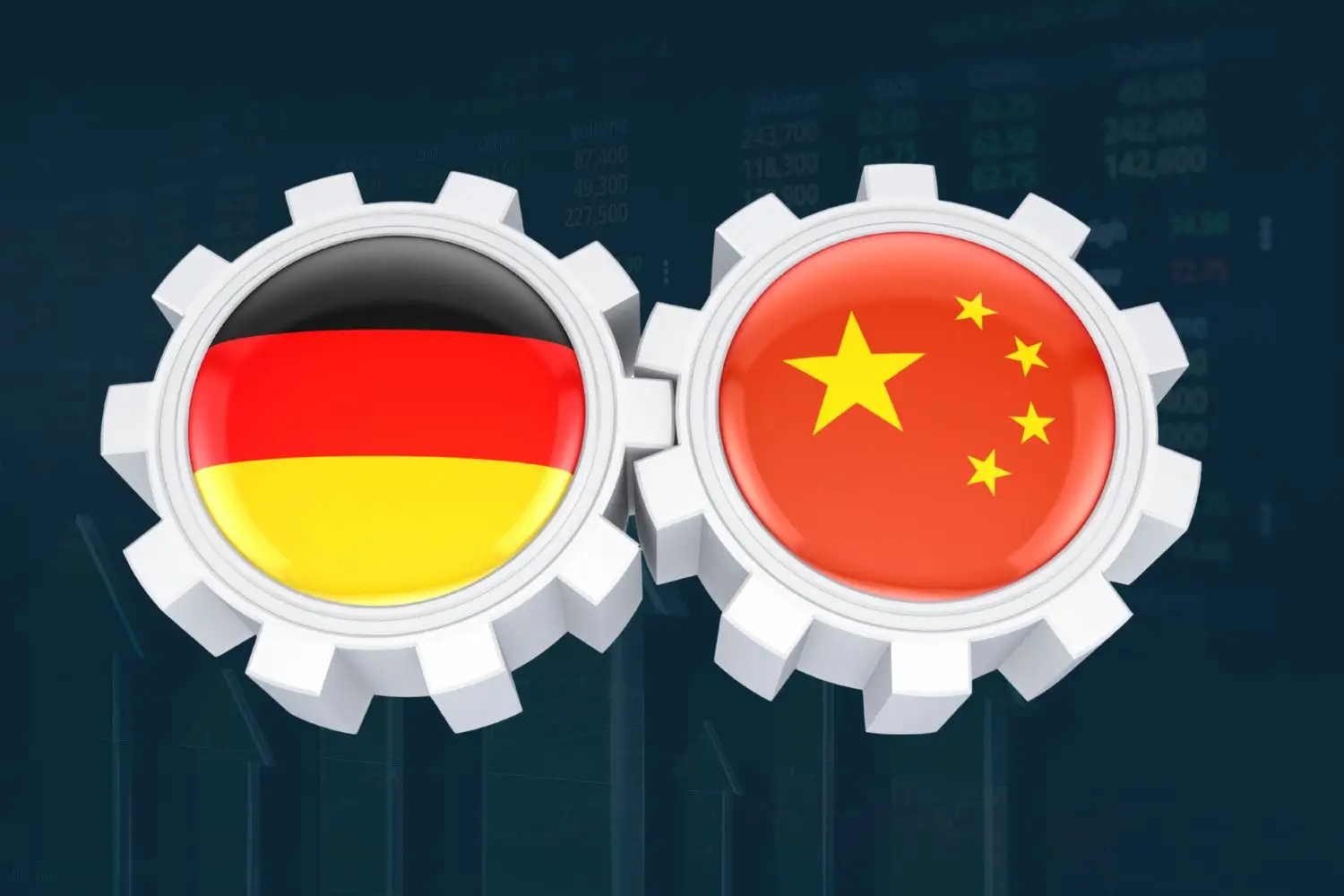
In the final week of May (May 26–30), the U.S. dollar rebounded on the international market after a sharp decline the previous week. The recovery was largely driven by renewed concerns over trade tensions between the United States and China, following statements from President Donald Trump.
On May 29, President Donald Trump accused China of violating the initial trade agreement signed between the two countries. This reignited fears of a renewed trade war, prompting global investors to seek refuge in safe-haven assets, particularly the U.S. dollar. As a result, the greenback saw increased demand and strengthened by the end of the trading week.
By the close of trading on May 30, the U.S. Dollar Index (DXY)—which measures the dollar’s value against a basket of six major currencies—rose to 99.44, up 0.34 points from the previous week. This marked a notable recovery amid heightened geopolitical and trade-related uncertainty.
In Vietnam, the central exchange rate published by the State Bank of Vietnam (SBV) on May 30 was set at VND 24,978/USD, reflecting an increase of 18 VND from the prior week. Under the ±5% trading band, commercial banks are allowed to quote USD rates in the range of VND 23,729–26,227/USD.
The reference exchange rate announced by the State Reserve Management Agency also rose by 18 VND on both buying and selling sides, reaching VND 23,780–26,176/USD.
At Vietcombank—one of Vietnam’s leading commercial banks—the exchange rate climbed by 70 VND in both directions, closing at VND 25,810 (buy) and VND 26,200 (sell) on May 30.
Interestingly, while the official market saw a noticeable uptick, the informal (free) market experienced a slight decline. The free market USD rate dropped by 60 VND on both the buying and selling sides, with transactions fluctuating around VND 26,260–26,360/USD. This contrasting movement reflects cautious investor sentiment amid ongoing market uncertainties and the lack of a clear policy signal from the U.S. Federal Reserve.
In the near term, the dollar's trajectory will remain sensitive to developments in U.S.–China relations and Fed monetary policy. Should trade tensions escalate, the USD is likely to benefit from its traditional role as a safe-haven asset. Conversely, dovish signals from the Fed regarding interest rates may weaken the dollar.
Investors are advised to closely monitor official statements and upcoming macroeconomic data to align their forex strategies with evolving market dynamics.

.jpg)
.png)
 Tiếng Việt
 English