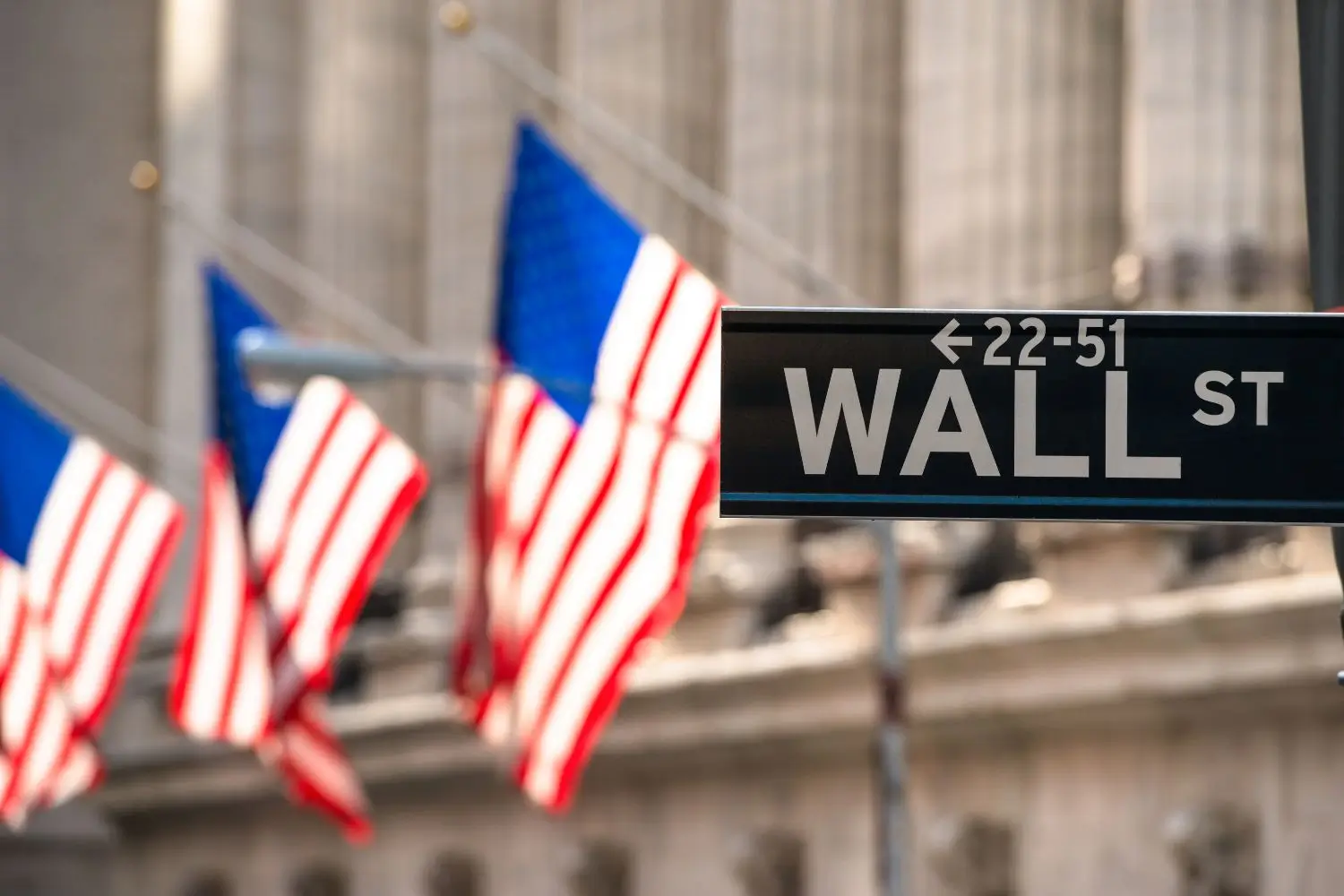
 Wall Street Futures Plunge as U.S.–Israel–Iran Tensions Escalate, Oil Prices Spike
Global financial markets opened the week in defensive mode as Wall Street futures plunged Sunday evening (U.S. time), following reports that the United States and Israel carried out military strikes on Iran. The sharp escalation in geopolitical tensions triggered a broad sell-off in risk assets while sending oil prices soaring amid fears of supply disruptions in the Middle East.
The sudden shock hit markets already grappling with persistent inflation, elevated interest rate expectations, and growing uncertainty surrounding artificial intelligence (AI)-driven valuations in the technology sector.
As of 19:05 ET (08:05 GMT+7), major U.S. equity index futures were firmly in negative territory:
S&P 500 futures fell nearly 1.1% to 6,815.75
Nasdaq 100 futures declined 1% to 24,737.50
Dow Jones 30 futures dropped 1.1% to 48,447.0
The sell-off extended losses from Friday’s weak session, when investor sentiment had already deteriorated amid rising risk aversion. Concerns over AI-related disruptions and stubborn inflation had begun weighing heavily on equities, particularly growth and technology stocks.
Over the weekend, the United States and Israel reportedly launched coordinated strikes on Iran, resulting in significant casualties, including Iran’s Supreme Leader Ayatollah Ali Khamenei. The attacks marked a dramatic escalation in tensions between Washington and Tehran, especially after recent negotiations over Iran’s nuclear enrichment program stalled without meaningful progress.
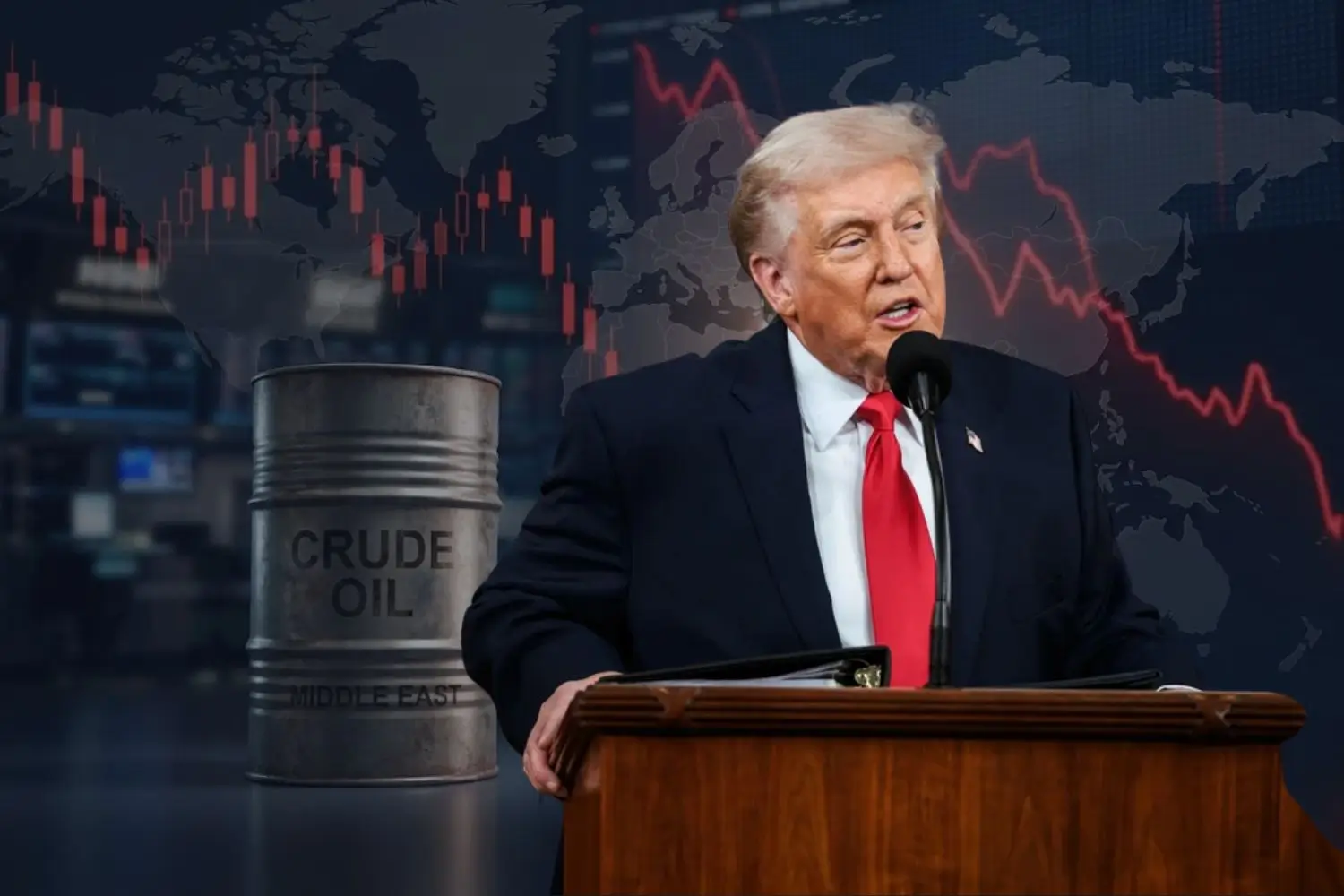
President Donald Trump stated Sunday night that operations against Iran would continue until all “objectives” are achieved, while warning of additional U.S. casualties following the deaths of three American service members.
Iran responded with retaliatory strikes targeting Israel and several Middle Eastern countries, including Bahrain, Qatar, and the United Arab Emirates. The rapid escalation has raised fears of a broader regional conflict—one that could destabilize global energy markets and international trade routes.
Investors are now reassessing geopolitical risk premiums, particularly given the possibility that hostilities could spread beyond isolated military exchanges.
One of the most immediate market reactions has been a sharp spike in oil prices. Traders are increasingly concerned that Iran could disrupt traffic through the Strait of Hormuz—a strategic waterway responsible for roughly 20% of global oil consumption.
A closure or significant disruption of this key shipping route would likely:
Send global crude prices sharply higher
Reignite inflationary pressures worldwide
Complicate monetary policy decisions for central banks
For economies already struggling to tame inflation, renewed energy shocks could derail progress toward price stability.
Even before geopolitical tensions flared, U.S. equities were facing mounting headwinds. The Nasdaq Composite fell more than 3% last month, reflecting pressure on technology stocks.
Two primary concerns have dominated investor discussions:
Potential disruptions from AI-driven transformation in the software industry
Excessive spending on AI infrastructure without clear near-term profitability
After a prolonged rally fueled by AI enthusiasm, markets have begun questioning whether current valuations accurately reflect earnings sustainability.
The S&P 500 declined 0.9% in February, while the Dow Jones Industrial Average posted largely flat performance. This suggests that the broader market was already showing signs of exhaustion prior to the geopolitical shock.
The emergence of military conflict has only intensified existing fragility.
Recent U.S. economic data indicate that inflation remains above the Federal Reserve’s 2% target, while the labor market continues to display resilience.
These conditions reinforce expectations that the Fed may need to keep interest rates elevated for longer than previously anticipated—a “higher for longer” scenario that typically pressures equity valuations, particularly in growth sectors.
If oil prices continue climbing due to Middle East instability, inflation risks could resurface, making it even more challenging for the Fed to pivot toward rate cuts.
Markets are also navigating uncertainty surrounding President Trump’s tariff program. After the Supreme Court ruled that much of the administration’s tariff structure was unlawful, policy clarity has diminished.
For corporations, this uncertainty translates into:
Difficulty planning capital expenditures
Increased trade costs
Heightened supply chain risks
In an already fragile global economic environment, unpredictable trade policies further dampen business and investor confidence.
Amid mounting risks, capital flows are increasingly favoring defensive assets such as:
U.S. Treasury bonds
Gold
The U.S. dollar
This rotation reflects a classic “risk-off” environment, commonly observed during periods of geopolitical shock or macroeconomic instability.
In the near term, market direction will largely depend on:
The trajectory of military actions between the U.S., Israel, and Iran
The response of other Middle Eastern nations
Developments in global oil supply and pricing
Signals from the Federal Reserve regarding monetary policy
If tensions de-escalate swiftly, equities could stabilize as investors refocus on economic fundamentals. However, a prolonged or expanding conflict would heighten the risk of slower global growth combined with renewed inflationary pressures—a difficult mix for policymakers and markets alike.
The sharp decline in Wall Street futures underscores more than just a reaction to geopolitical headlines. It highlights a market already strained by inflation concerns, AI-driven valuation debates, and policy uncertainty.
When geopolitical risk collides with macroeconomic fragility, volatility becomes unavoidable. In this environment, disciplined risk management and prudent asset allocation are likely to remain top priorities for global investors in the weeks ahead.

.png)
 Tiếng Việt
 English