U.S. stocks hit record highs after inflation rose less than expected, fueling hopes that the Federal Reserve will cut rates soon. The dollar stayed flat while investors looked ahead to the Fed’s next policy moves.
Wall Street closed higher on Friday (Oct 25), with all three major U.S. stock indices — the Dow Jones Industrial Average, S&P 500, and Nasdaq Composite — finishing at record highs.
The rally came after data showed that U.S. consumer prices rose just 0.3% in September, slightly below expectations of 0.4%. On a yearly basis, inflation climbed 3.0%, signaling that price pressures are continuing to ease.
Callie Cox, chief market strategist at Ritholtz Wealth Management, commented:
“Today’s data shows we’re not in a crisis like in 2022. Prices are rising, but at a controlled pace. That’s good news for anyone hoping the Fed will continue cutting rates.”
The softer inflation figures boosted investor confidence that the Federal Reserve may soon resume rate cuts, starting at its next policy meeting on October 28–29.
According to LSEG data, traders have now priced in a 25-basis-point rate cut at the upcoming Fed meeting and expect one more reduction before the end of the year.
Corporate earnings also fueled the market’s momentum:
Ford Motor shares jumped 12.2% after the company’s third-quarter profit beat expectations.
Analysts now project S&P 500 earnings to grow 10.4% year-on-year, up from the earlier estimate of 8.8% at the start of October.
At Friday’s close, the Dow Jones rose 472.51 points (+1.01%) to 47,207.12, the S&P 500 gained 0.79% to 6,791.69, and the Nasdaq Composite climbed 1.15% to 23,204.87.
The S&P 500 and Nasdaq both recorded their strongest weekly performance since August, while the Dow posted its largest weekly gain since June.
Investors are now eyeing next week’s earnings reports from major tech players — Apple, Microsoft, Alphabet, and Amazon — which could set the tone for the rest of the quarter.
While equities rallied, the U.S. dollar index — which measures the greenback against a basket of major currencies — was nearly unchanged, slipping 0.02% to 98.92.
The euro edged up 0.1% to $1.1629, while the yen weakened 0.14% to 152.8 per dollar.
U.S. 10-year Treasury yields were little changed, rising just 1.2 basis points to 4%. The benchmark yield briefly dipped after the CPI release before recovering. It has now fallen for four consecutive weeks, reflecting growing expectations of a softer Fed stance.
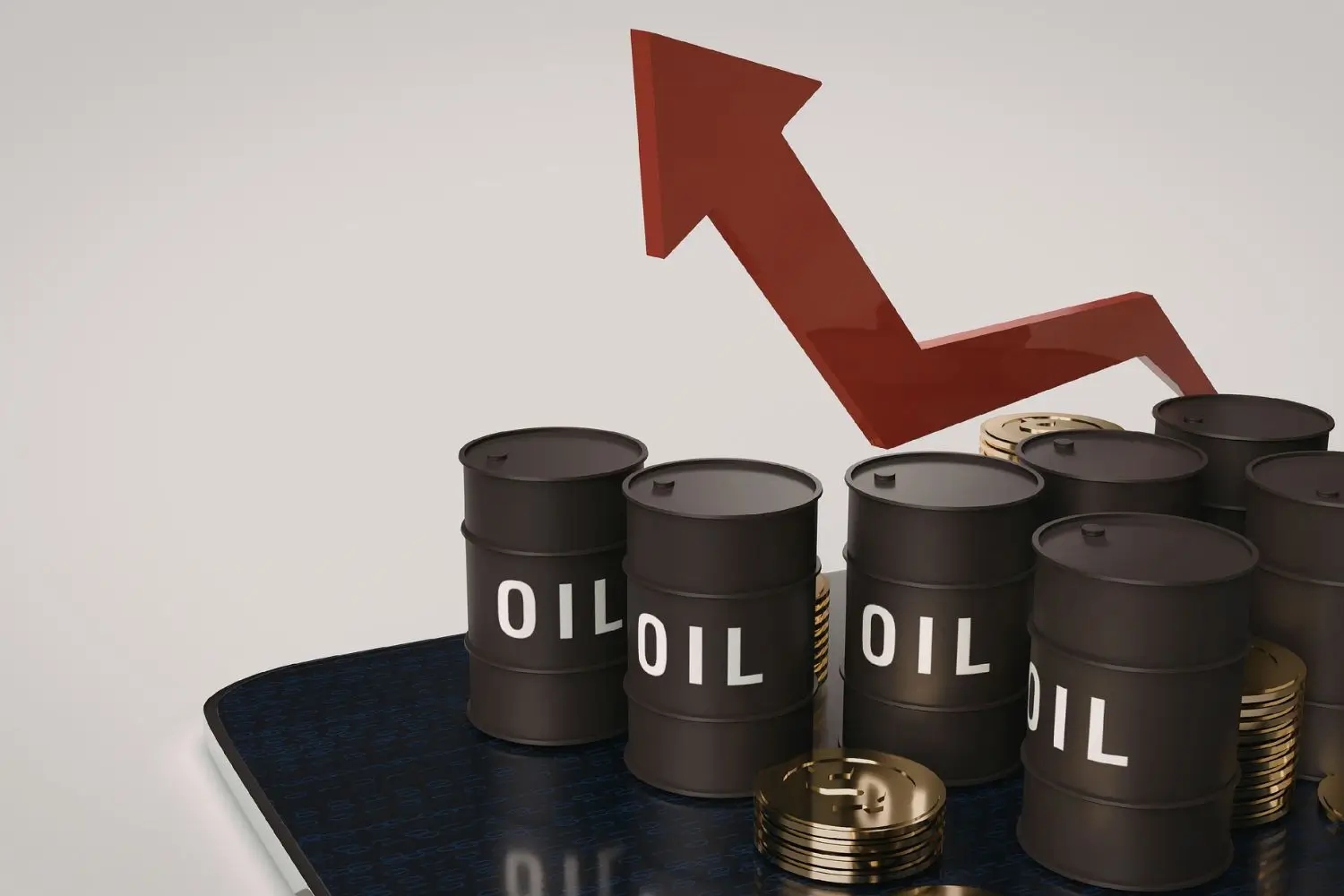
On the commodities front, U.S. crude oil (WTI) slipped 29 cents to settle at $61.50 per barrel, while Brent crude edged down 5 cents to $65.94. Spot gold fell 0.57% to $4,101.29 per ounce.
Traders said skepticism about the Trump administration’s commitment to Russian oil sanctions tempered earlier bullish sentiment that had driven oil prices up by 5% on Thursday.
The U.S. rally quickly spread across global markets.
The MSCI World Index rose 0.63% to 1,001.37, hitting an all-time high, while Europe’s STOXX 600 climbed 0.23% to also close at a record.
Fresh data showed that Eurozone business activity expanded faster than expected in October, lifting investor sentiment across the region.
European government bond yields edged higher as money flowed from safe-haven assets into equities.
This latest inflation report could mark a crucial turning point for the Federal Reserve.
After nearly two years of maintaining high interest rates to tame prices, the Fed may now be entering a “soft pivot” phase — cautiously shifting from tightening to supporting growth while keeping inflation in check.
However, analysts warn that challenges remain:
The 3.0% annual CPI rate is still above the Fed’s 2% target.
The labor market remains resilient, keeping wage pressures elevated.
The tech-driven AI rally has raised concerns about potential market overvaluation.
Upcoming jobs data, Q4 GDP figures, and comments from Fed Chair Jerome Powell will be closely watched for confirmation of whether the central bank will commit to a more dovish path.
The softer inflation print has delivered a powerful boost to global markets, renewing optimism for a potential low-rate environment in 2025.
Still, the U.S. economy faces a complex mix of headwinds — from geopolitical tensions to persistent consumer costs — that could challenge sustained growth.
In the near term, equities are likely to benefit from bullish sentiment, but prudent investors should maintain diversified portfolios and avoid short-term euphoria.
Sectors that tend to outperform in easing cycles — such as technology, consumer discretionary, and real estate — may continue to attract capital inflows.
1. Why did U.S. stocks surge after the inflation report?
Lower inflation raises expectations for Fed rate cuts, which reduce borrowing costs and stimulate corporate investment — a key driver of stock prices.
2. Will the Fed definitely cut rates in October?
It’s highly likely but not guaranteed. The Fed will review upcoming labor and spending data before confirming its next move.
3. Who benefits from a weaker dollar?
A softer dollar makes U.S. exports more competitive and boosts profits for multinational corporations.
4. How should investors position themselves now?
Stay optimistic but disciplined. Focus on sectors that benefit from lower rates and monitor upcoming Fed communications closely.

.jpg)

.png)
 Tiếng Việt
 English