.png)
 Tiếng Việt
 English


With high interest rates, fragile trade negotiations, and rising geopolitical risks, investors are entering a new era of uncertainty. This article analyzes the three major global forces shaping markets in 2025 and outlines defensive investment strategies for stability and growth.
The global financial system is entering one of its most unpredictable phases in over a decade: persistent inflation, tight monetary policy, and widespread geopolitical instability.
From Washington to Beijing to the Middle East, every government move can send shockwaves across global markets within hours.
Three key forces are currently defining investor sentiment and capital flows:
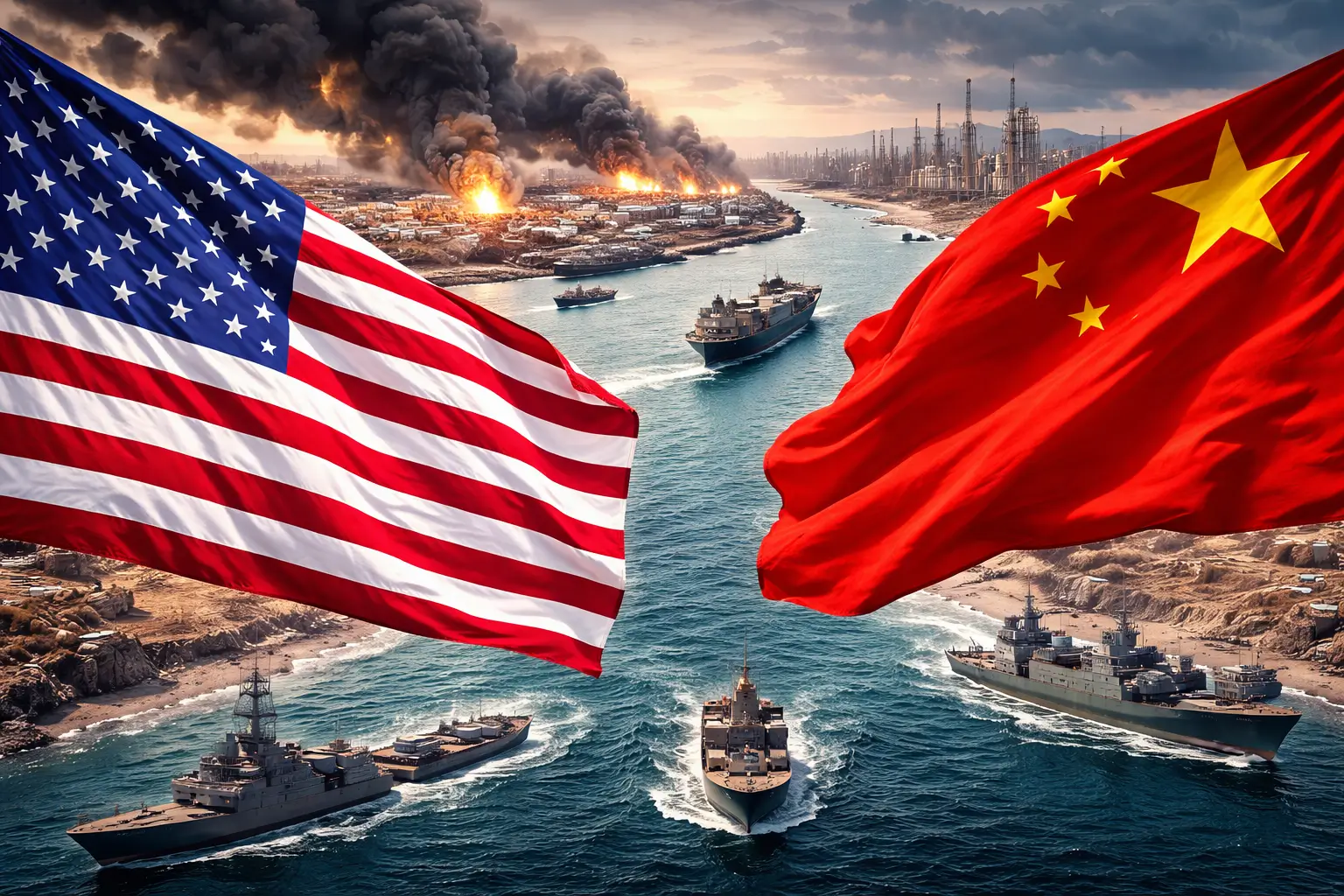
U.S.–China trade negotiations: Prolonged tensions between the world’s two largest economies remain a major uncertainty.
Global monetary policy and interest rates: The U.S. Federal Reserve (Fed) is maintaining record-high rates to control inflation, altering the direction of global capital.
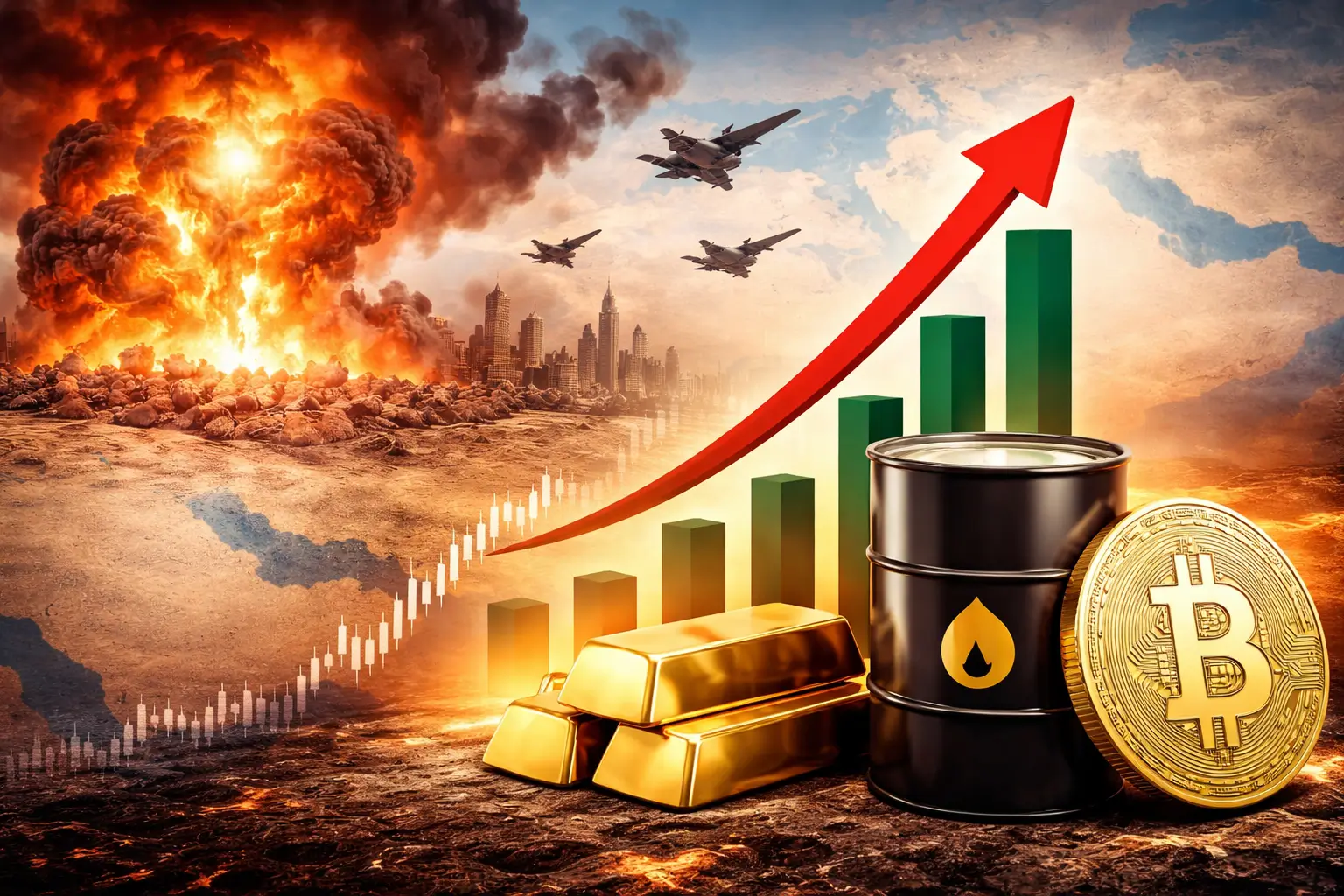
Geopolitical instability: The ongoing conflicts in Ukraine and the Middle East continue to push up energy and precious-metal prices, raising production costs and risk levels for emerging economies.
Analysts call this period the “era of uncertain investing,” where discipline, diversification, and defense have become the golden rules of survival.
The recent meeting between President Donald Trump and President Xi Jinping in Busan has reignited hopes of a “framework agreement” to ease trade frictions.
If negotiations continue to improve, export-driven Asian economies such as Vietnam, Malaysia, and Thailand could be among the biggest beneficiaries.
Vietnam: Positioned as a hub in the Asian supply chain, Vietnam could attract a new wave of FDI in electronics, components, green technology, and processed agriculture.
Malaysia and Thailand: Their automotive, semiconductor, and renewable-energy sectors may accelerate as global trade gradually recovers.
However, optimism must be tempered with caution.
If talks collapse or the U.S. reinstates steep tariffs on Chinese goods, emerging markets could again face capital flight, similar to the turbulence seen in 2018–2019.
“Investing in Asia right now should focus on companies with strong domestic value chains and limited reliance on U.S. exports,”
said Marcus Lee, a market strategist at Nomura Asia.
After two small rate cuts earlier this year, the Fed has paused to reassess inflation.
While many investors hope the tightening cycle is over, in reality rates remain elevated at 3.75%–4% — the highest level in 15 years.
This has led to two clear outcomes:
Short-term capital outflows from emerging markets, as investors return to the U.S. seeking higher yields and safety in the dollar.
Rising borrowing costs, making it harder for businesses to expand — particularly in developing economies.
The 10-year U.S. Treasury yield remains around 4.2%–4.3%, signaling that the Fed is not yet ready for aggressive easing.
That means equities — especially speculative stocks — will likely continue to face valuation pressure.
With the war in Ukraine unresolved and Middle East tensions intensifying, investors are turning to safe-haven assets such as gold, the U.S. dollar, and Treasuries.
Spot gold is trading around $3,950–$4,000 per ounce, near record highs, while gold ETFs such as SPDR Gold Shares (GLD) have seen strong inflows since early October.
Similarly, the U.S. Dollar Index (DXY) has risen to 106, reflecting renewed defensive demand.
Institutional investors are reducing equity exposure and increasing cash holdings — a common move ahead of uncertain policy or political transitions.
In a world where political decisions and monetary shifts can change market direction overnight, investors must stay flexible — but not reckless.
Here are four core principles financial strategists recommend:
Avoid going “all-in” on equities, especially speculative or rate-sensitive stocks.
A balanced portfolio should include equities, bonds, gold, and cash in proportions that match your risk tolerance.
Priority sectors during volatile periods include:
In an environment of high interest rates and political risk, gold remains one of the most reliable hedges against volatility.
ETFs such as SPDR Gold Shares (GLD) and iShares Gold Trust (IAU) provide easy access for individual investors without holding physical bullion.
The bond market has returned to “attractive territory,” with yields above 4%.
Investors should look at U.S. Treasuries with 2–3-year maturities or corporate bonds rated A or higher — instruments offering both safety and stable returns.
Market volatility often triggers emotional decisions.
However, history consistently shows that investors who stay disciplined and adhere to long-term strategies outperform those who react impulsively to short-term swings.
“Investing is not about short-term predictions, but about balancing risk and opportunity through smart allocation,”
said Elaine Wu, Head of Strategy for Asia-Pacific at HSBC Private Banking.
The global economy in 2025 remains uncertain, but opportunities persist.
If U.S.–China negotiations progress and the Fed adopts a more dovish tone, Asia could re-emerge as a global investment magnet.
If instability lingers, disciplined, defensive investors can still protect — and even grow — their wealth amid volatility.
1. What should investors do during periods of high market volatility?
=> Focus on diversification, hold more cash and gold, and reduce exposure to speculative stocks. A defensive, patient approach is key in uncertain times.
2. How do high U.S. interest rates affect Vietnam and regional markets?
=> Elevated rates attract capital back to the U.S., putting pressure on currencies and equity markets across emerging economies, including Vietnam.
3. Is gold still an attractive investment option?
=> Yes. In a high-rate, geopolitically unstable environment, gold and gold ETFs remain effective tools for preserving value.
4. Which sectors are best suited for investment in 2025?
=> Focus on consumer staples, healthcare, clean energy, and semiconductor technology — industries with sustainable long-term growth and resilience against short-term shocks.